Cari Gonzalez-Casanova - Isles of Dalia - Exhibitionmfc-michèle didier | Paris - Brussels - PARIS
Dalia
Dalia is a feminine name. It is used in Arabic, Hebrew, Lithuanian and Persian.
The name means «branch», «flower», «gentle», «branch», or «bough of a tree». This meaning is shared in both Hebrew and Arabic. There are several biblical and Talmudic references. It has a significant presence in religious and biblical contexts.
However, confusion arose among Hebrew speakers Dalia is not a similar meaning with the name of the flower Dahlia, named in honor of Anders Dahl, a Swedish botanist, by Spanish naturalist Antonio José de Cavanilles, director of the Real Jardín Botánico de Madrid of 18th century.
Dahlia is a native flower of Mexico and the national flower of the country. However, in Mexico, it is spelled as «Dalia» another derivative of its official name which is commonly used and popular in Spanish speaking countries.
Dalia is a popular feminine name in Lithuania, meaning ?destiny? or ?fate? and derived from Lithuanian pagan traditions. It is the name of the ancient Lithuanian goddess of destiny.
Its name is also used to mean "a large branch."
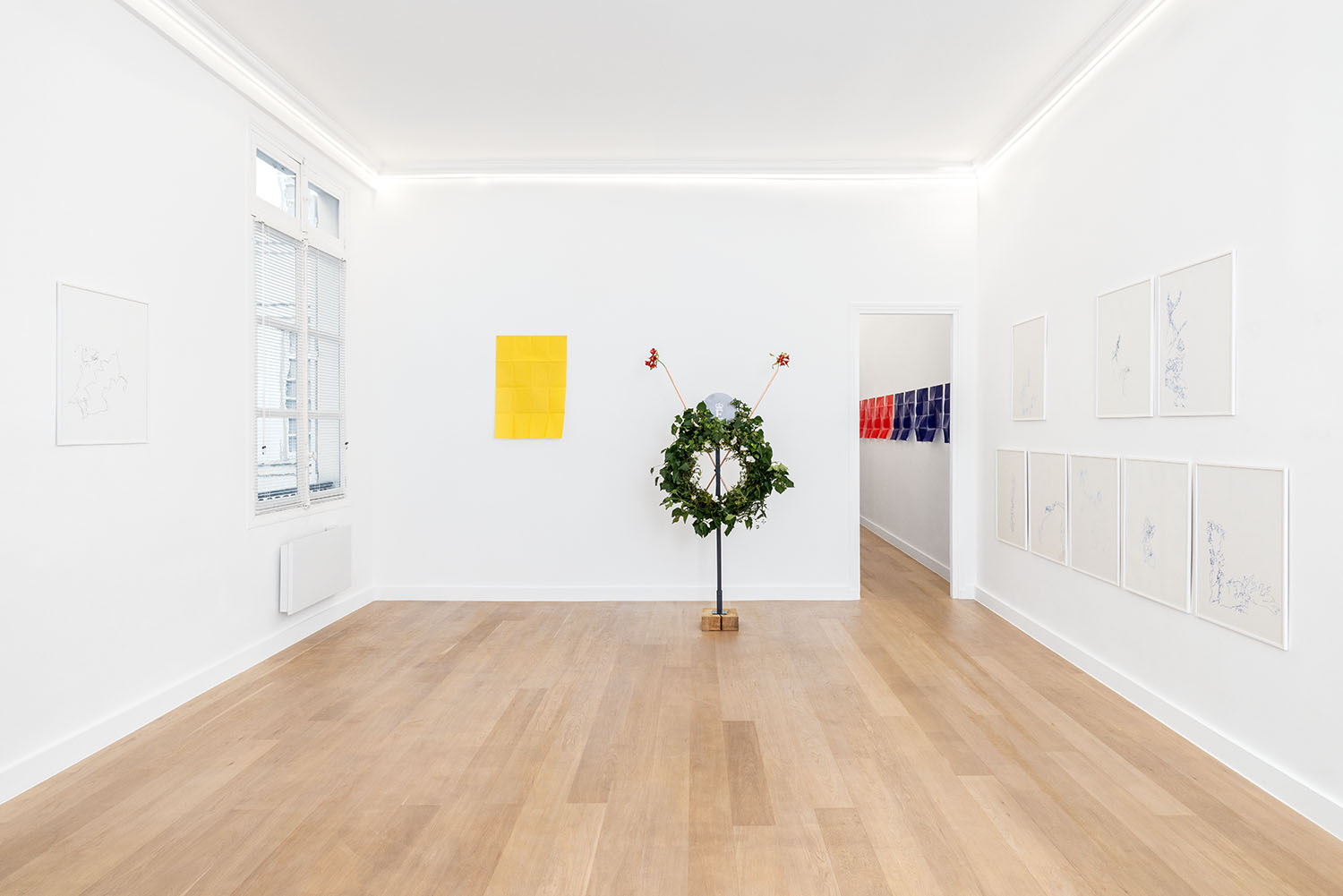
The series of works titled Isles of Dalia questions our growing fascination with houseplants and the art of floral arrangement.
Bringing together works that question our relationship to flowers and nature, the exhibition will explore the processes of transcription, translation, and representation of the floral motif.
These works occupy the poetic and non-lexical space between an object or concept and its transformation into another comprehensible and relevant form.
Could this fascination be nurtured by our attraction to living beings that remain indifferent to the facts and certain values that structure our society, such as economic growth, productivity, social hierarchy, territoriality, and the valuing and the acceleration of time?
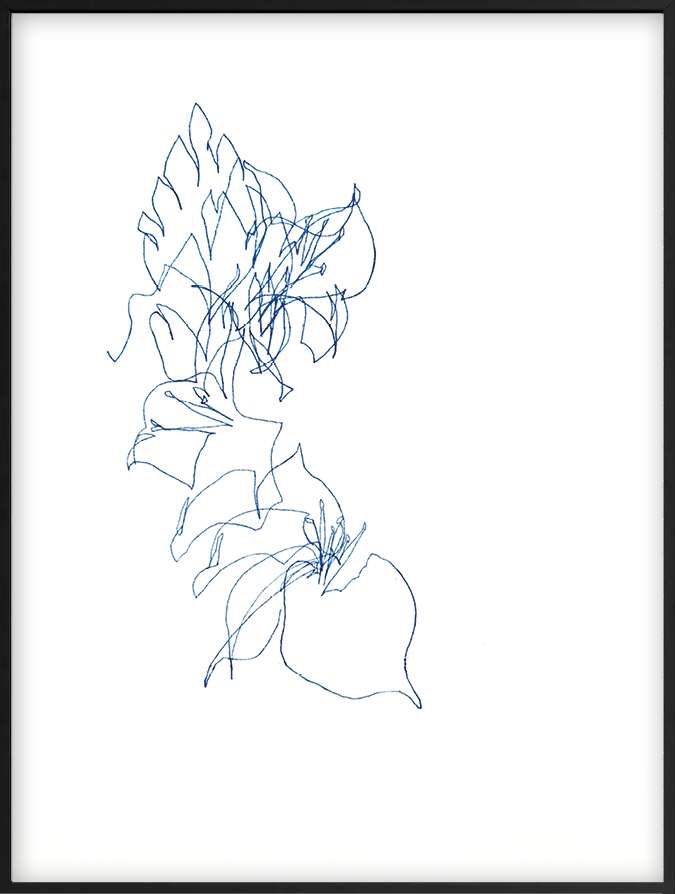
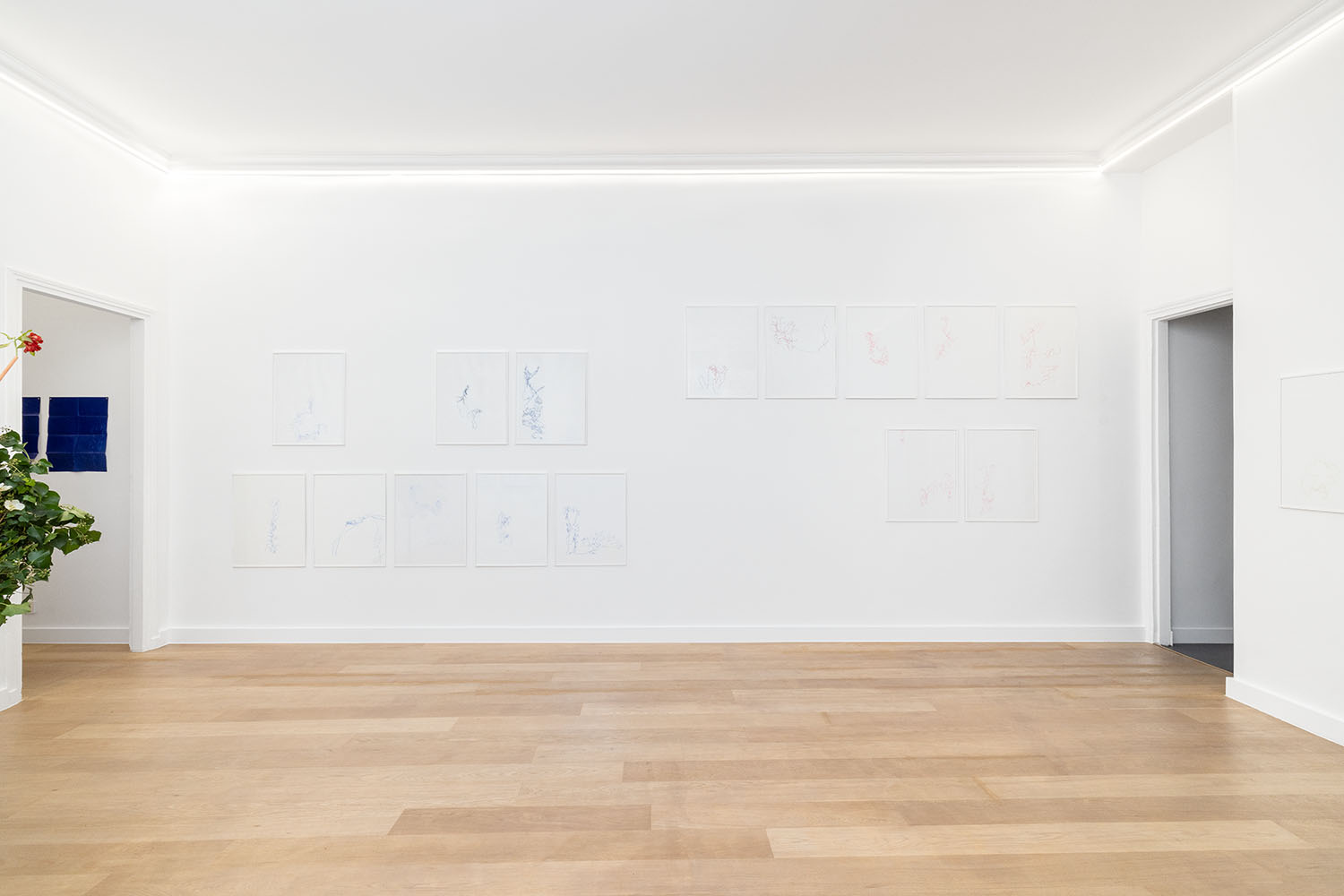
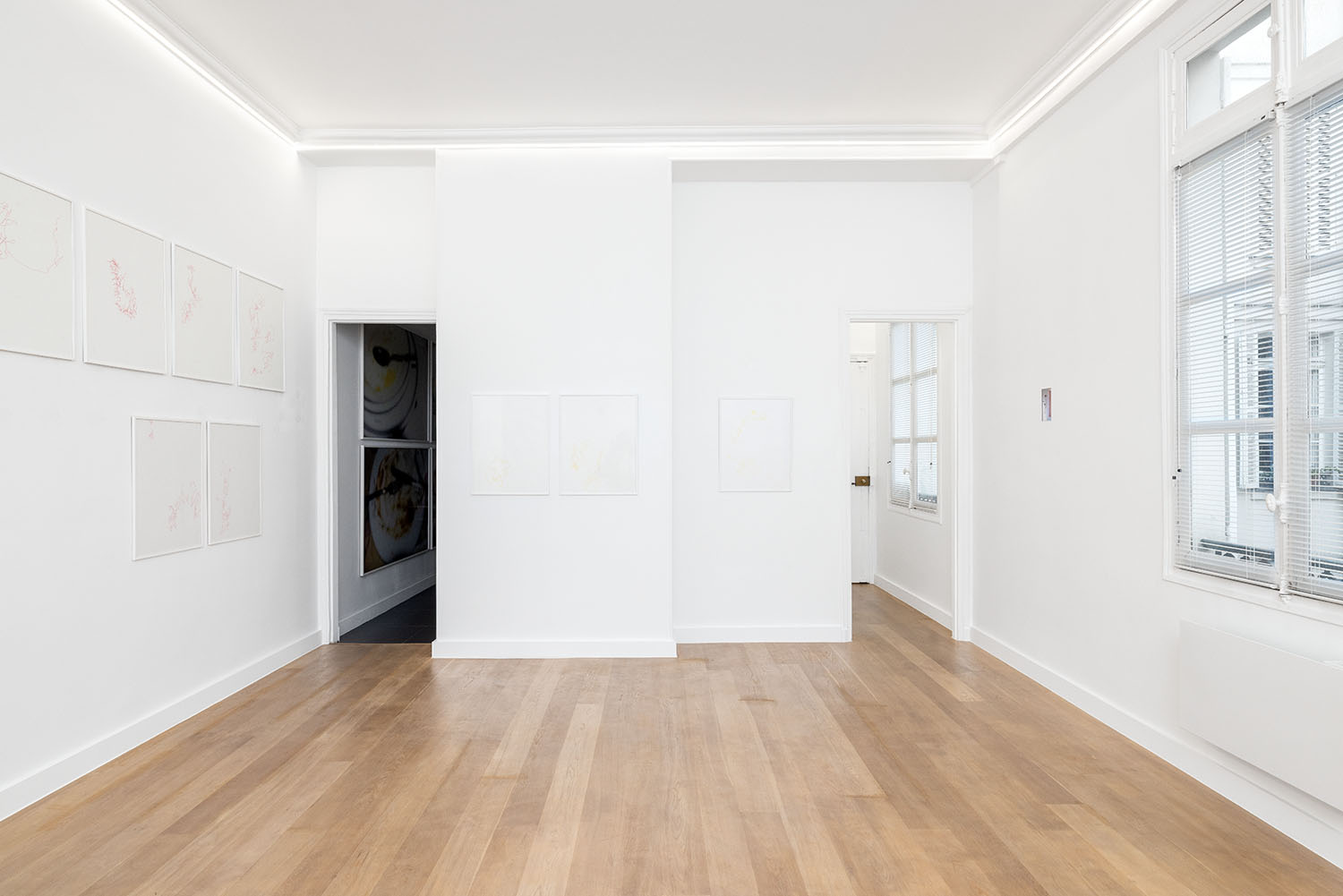
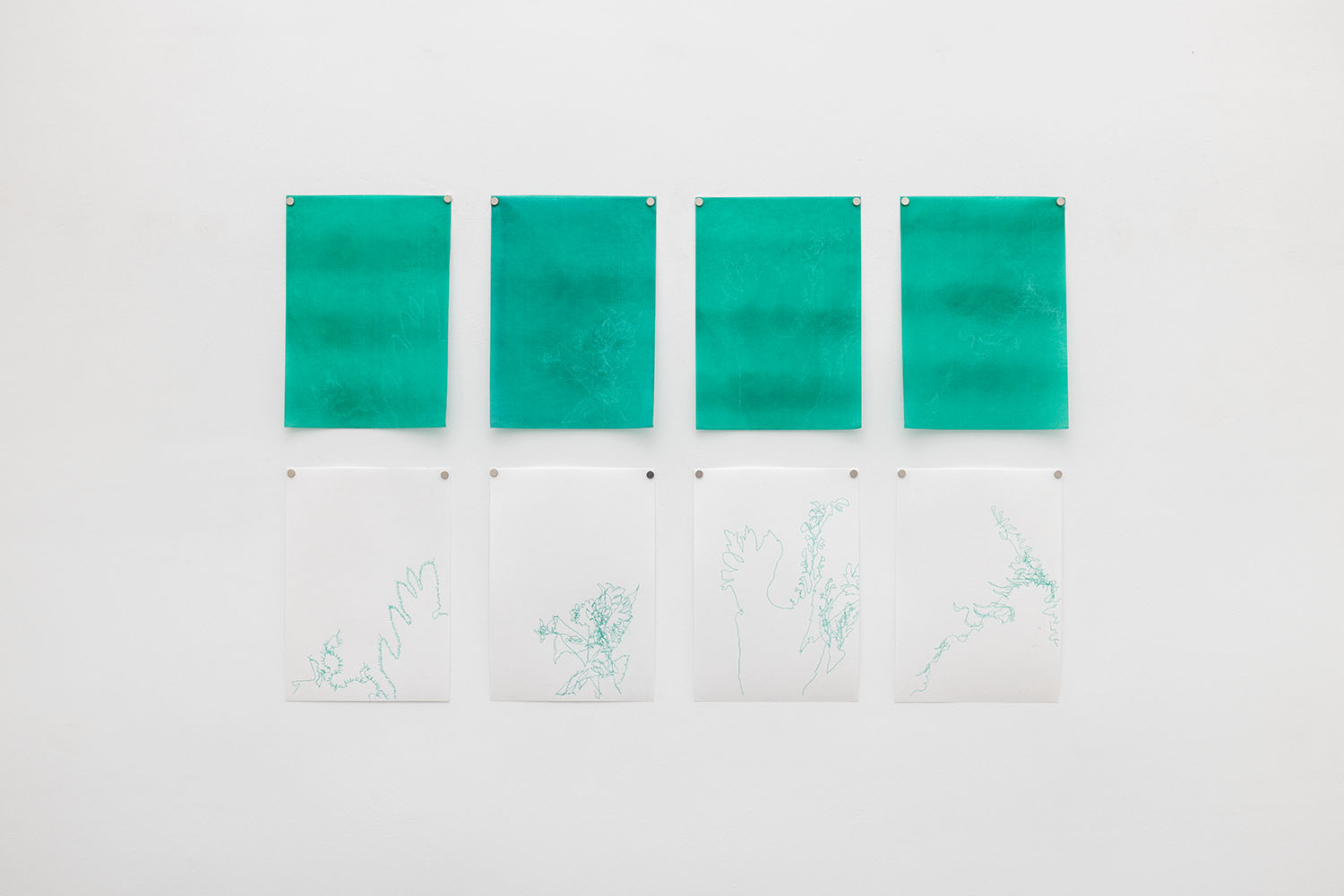
Through a series of blind contour drawings of flowers and the use of border tracing recognition software, the supposed neutrality of the gaze will transform the delineation of the flowers into as many island contours, coastlines, and threshold mapping.
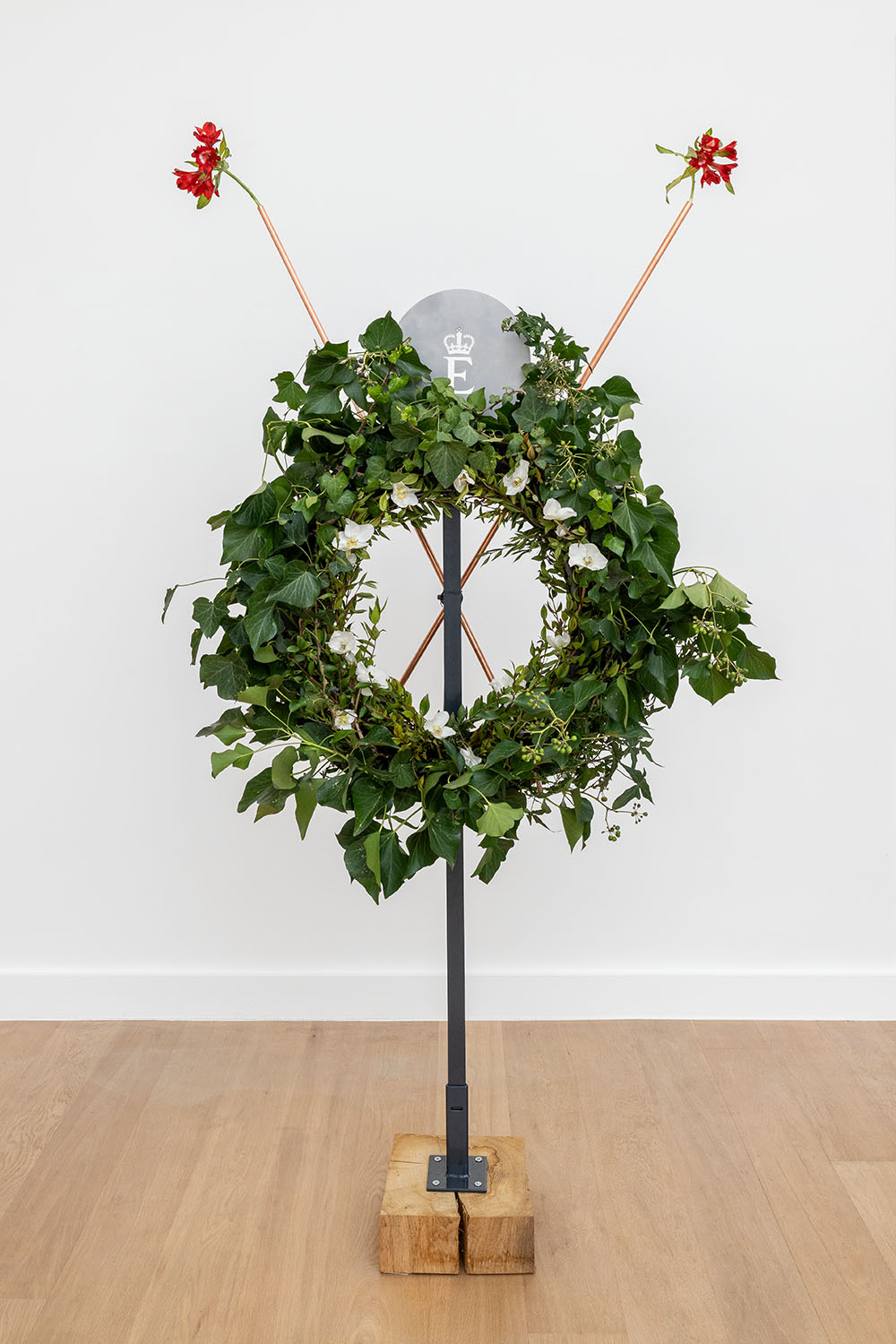
In accordance with current heraldic grammar, a bouquet of flowers, designed especially for the exhibition in collaboration with florist Thomas Baldner, will be transformed into a coat of arms. The latter will remind us of the use of floral motifs in heraldry and vexillography to designate the properties of a territory. The coat of arms bears the following title: Coat of Arms Bouquet: Queen of Barbados.
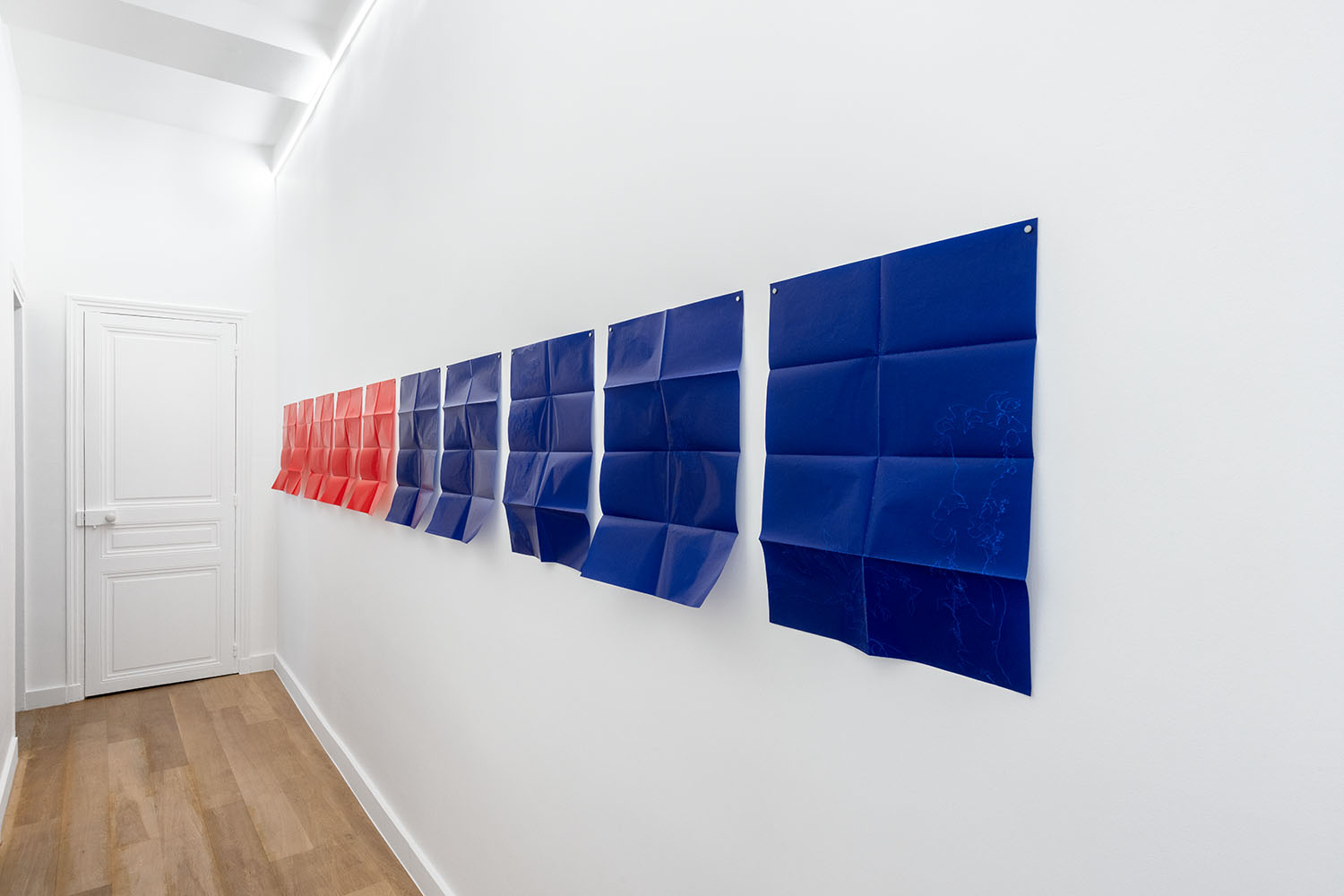
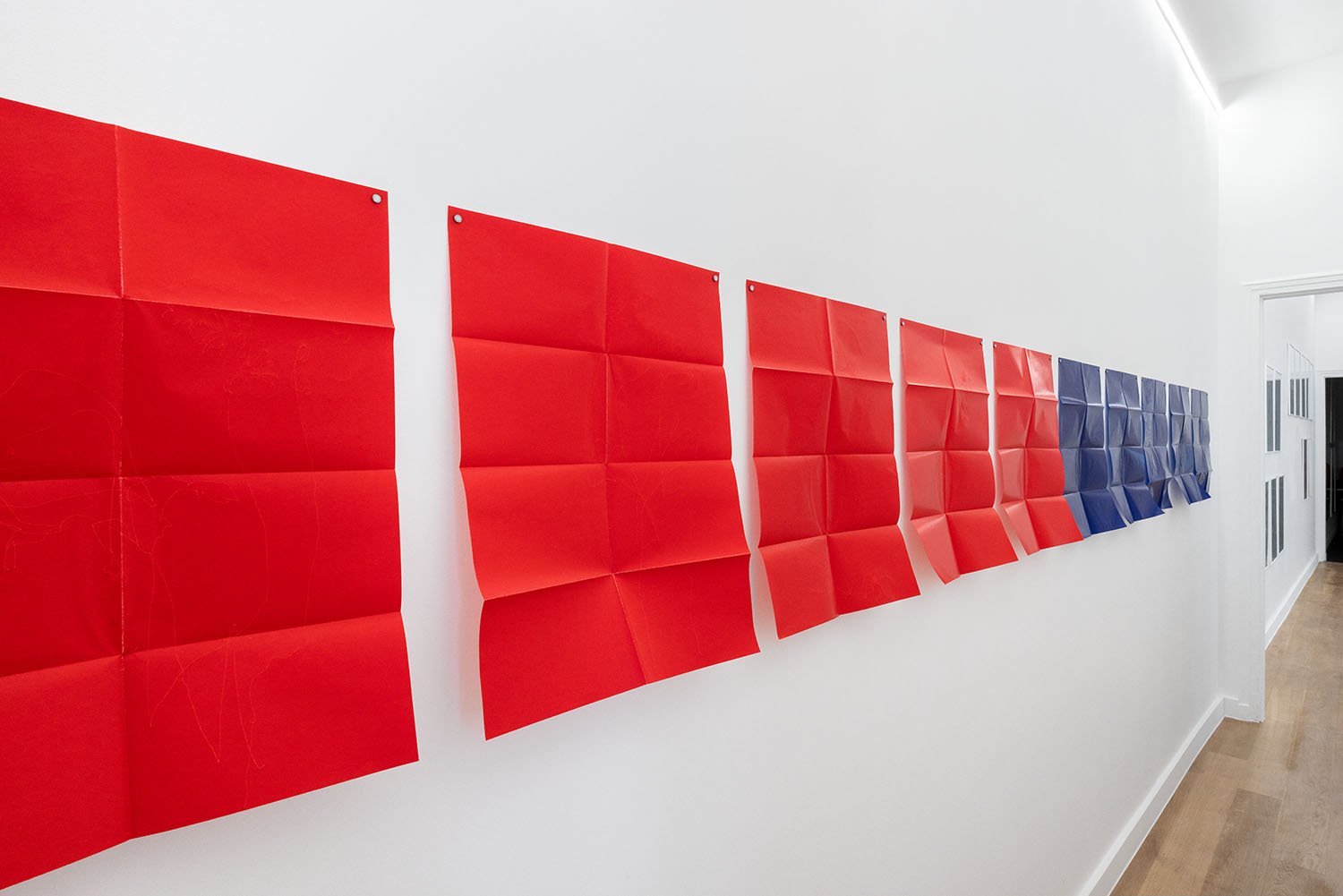
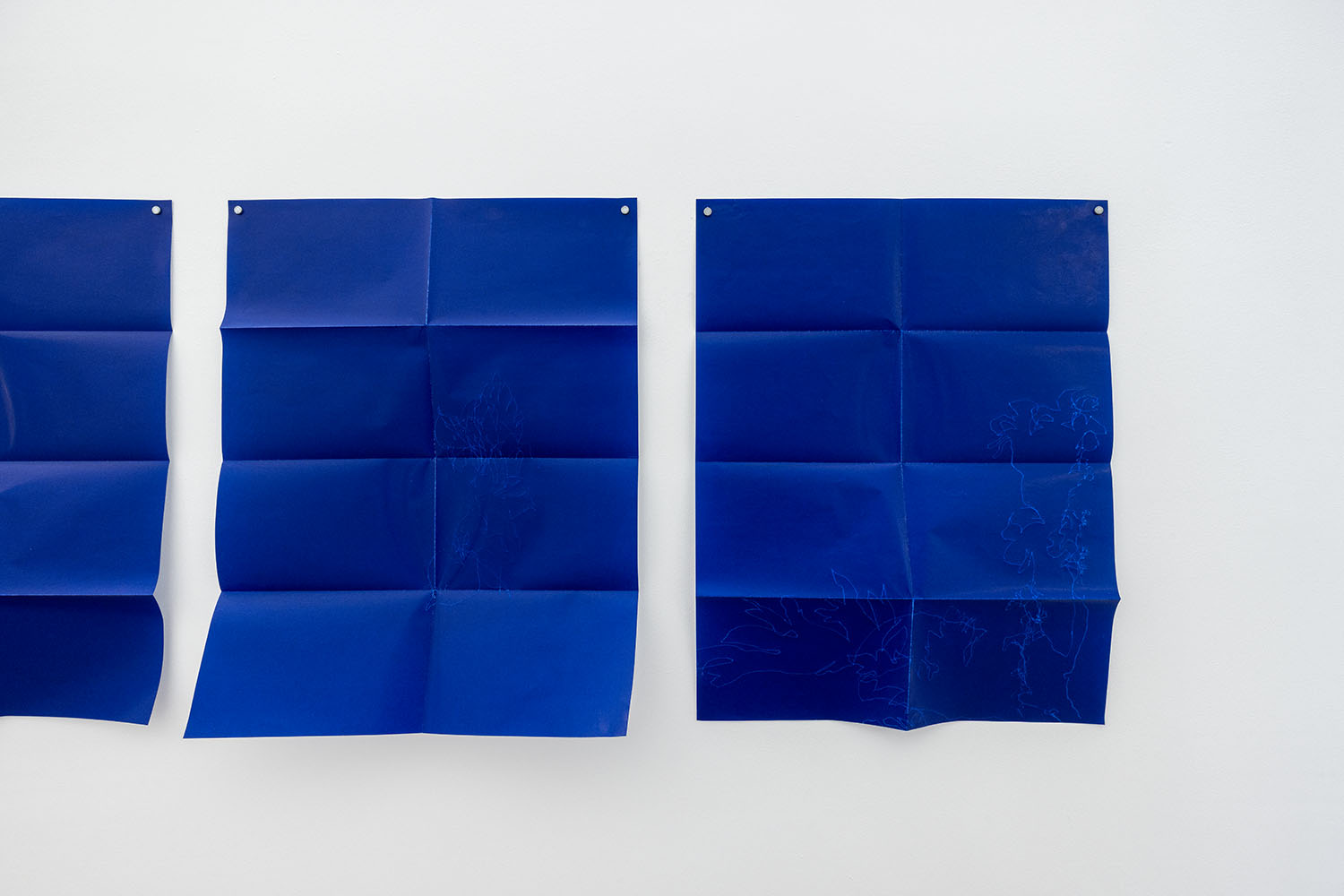
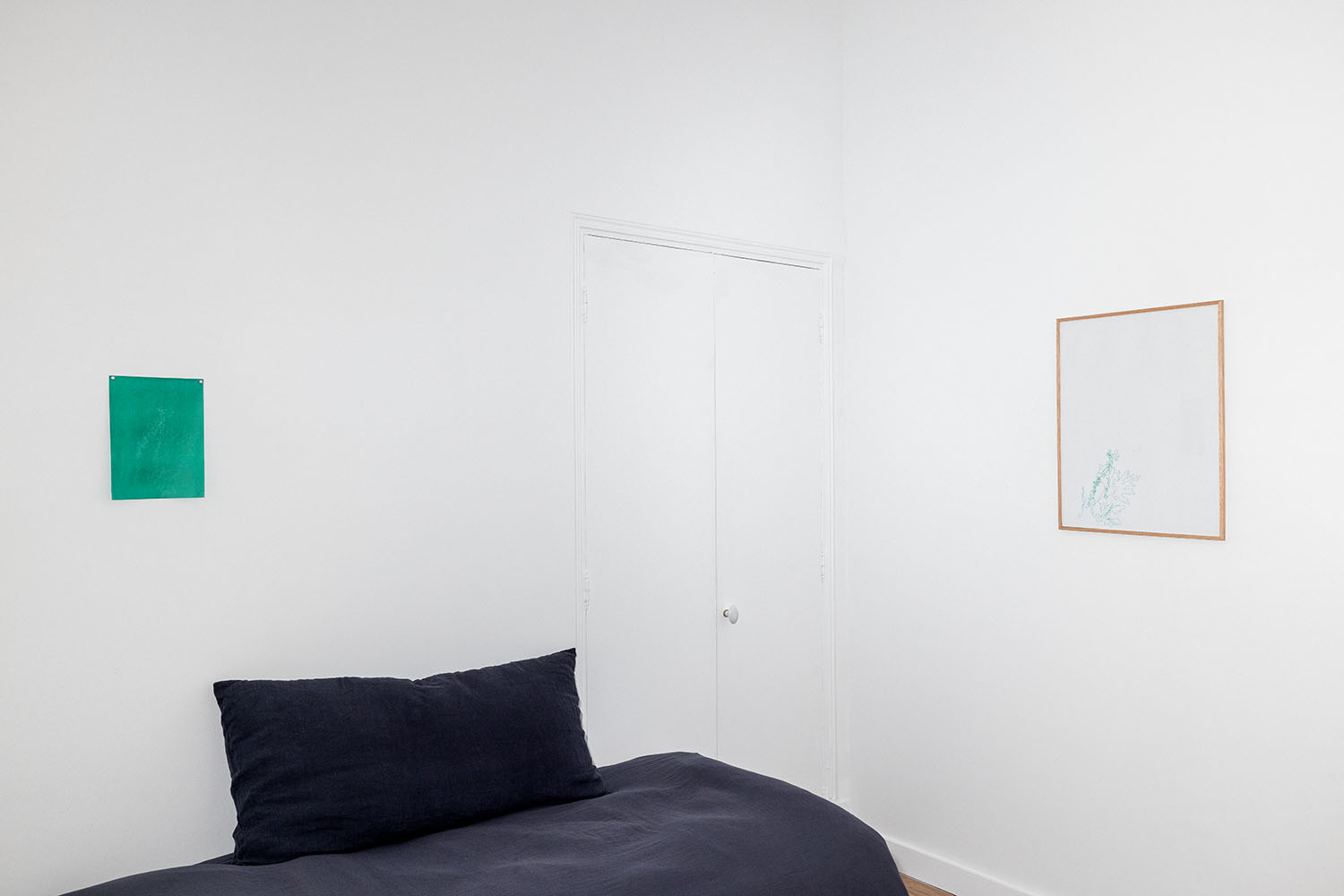
Some carbon papers will be on display in the exhibition.
Isles of Dalia invites the viewer to reflect on how these forms echo ideas of romanticism ? from the sublime nature to the noble savage ? and will allow Asteraceae (dahlia) or other species to embody the personal and the universal. This exhibition will also give us an understanding of what the experience of blindness can enable us to see.
This series by Cari Gonzalez-Casanova reminds us of the Robert Morris's Blind Time Series or certain works from the late period of Georgia O'Keeffe.
Main characteristics of Cari Gonzalez-Casanova's drawings:
Methodology:
Cari Gonzalez-Casanova averts her eyes from the sheet of paper and the hand drawing to focus solely on the model ? a flower, a plant ? located diametrically opposite. The gaze becomes slower and more precise, as does the movement of the hand, which cannot speed up without risking tearing the carbon paper. The eye is forced to slowly scan every millimetre of the flower, oscillating between its contours and its full forms, so that it is impossible to take in the entire model at a single glance. The hand draws what the eye sees in a single stroke, without ever lifting the pencil from the paper.
Materials:
The sheet of paper is covered with a carbon paper, preventing the artist from seeing the outline. This creates a direct kinesthetic connection between the visual perception and the manual execution. With its fragility and transparency reminiscent of road maps or Bible paper, therefore carbon paper bears the hollow imprint of the gesture.
Conceptual orientation:
The use of carbon paper, which deliberately hides the result during the process, intensifies the concentration on the gesture and at the same time on pure observation, removing any possibility of correction. The drawing thus becomes a real-time trace of the eye?s journey across the model, transcribing its temporality as well.
List of plants and flowers and time required to complete the drawings:
Aconitum napellus ; 12 mn 24 s ; 8 mn 39 s
Adiantum capillus-veneris ; 2 mn 17 s
Asplenium trichomanes ; 13 mn 16 s ; 16 mn 15 s ; 14 mn 28 s ; 11 mn 12 s
Begonia semperflorens ; 2 mn 31 s
Brassica oleracea var. gemmifera ; 16 mn 23 s
Campanula medium calycanthema ; 8 mn 52 s
Chlorophytum comosum ; 2 mn 41 s
Dahlia pinnata ; 18 mn 51 ; 10 mn 53 s
Dracaena trifasciata ; 3 mn 23 s
Epipre mn um aureum ; 3 mn 6 s
Geranium thunbergii ; 11 mn 41 s ; 11 mn 37 s
Lagerstroemia indica ; 3 mn 28 s
Nymphoides Indica ; 8 mn 18 s ; 6 mn 25 s
Opuntia phaeacantha ; 6 mn 18 s
Philodendron ; 12 mn 38 s ; 3 mn 6 s
Philodendron goeldii ; 11 mn 3 s
Porpita porpita ; 9 mn 26 s
Puya berteroniana (Bromeliaceae) ; 5 mn 17 s
Saintpaulia ionantha ; 4 mn 3 s
Scabiosa ; 18 mn 36 s ; 17 mn 51 s ; 19 mn 3 s ; 12 mn 58 s ; 18 mn 24 s ; 19 mn 11 s ;
16 mn 43 s ; 15 mn 41 s ; 17 mn 4 s ; 13 mn 51 s
Silybum marianum ; 16 mn 56 s ; 12 mn 38 s ; 7 mn 33 s
Soleirolia soleirolii ; 3 mn 3 s
Spathiphyllum ; 2 mn 58 s
Vriesea hieroglyphica ; 9 mn 19 s
The preview will take place on Saturday, January 10, 2026 from 4 to 7 p.m.
The exhibition will run from January 15 to March 21, 2026.
The gallery is open only by appointment from Thursday to Saturday between 2 and 6 p.m.
Dalia
Dalia is a feminine name. It is used in Arabic, Hebrew, Lithuanian and Persian.
The name means «branch», «flower», «gentle», «branch», or «bough of a tree». This meaning is shared in both Hebrew and Arabic. There are several biblical and Talmudic references. It has a significant presence in religious and biblical contexts.
However, confusion arose among Hebrew speakers Dalia is not a similar meaning with the name of the flower Dahlia, named in honor of Anders Dahl, a Swedish botanist, by Spanish naturalist Antonio José de Cavanilles, director of the Real Jardín Botánico de Madrid of 18th century.
Dahlia is a native flower of Mexico and the national flower of the country. However, in Mexico, it is spelled as «Dalia» another derivative of its official name which is commonly used and popular in Spanish speaking countries.
Dalia is a popular feminine name in Lithuania, meaning ?destiny? or ?fate? and derived from Lithuanian pagan traditions. It is the name of the ancient Lithuanian goddess of destiny.
Its name is also used to mean "a large branch."
The series of works titled Isles of Dalia questions our growing fascination with houseplants and the art of floral arrangement.
Bringing together works that question our relationship to flowers and nature, the exhibition will explore the processes of transcription, translation, and representation of the floral motif.
These works occupy the poetic and non-lexical space between an object or concept and its transformation into another comprehensible and relevant form.
Could this fascination be nurtured by our attraction to living beings that remain indifferent to the facts and certain values that structure our society, such as economic growth, productivity, social hierarchy, territoriality, and the valuing and the acceleration of time?
Through a series of blind contour drawings of flowers and the use of border tracing recognition software, the supposed neutrality of the gaze will transform the delineation of the flowers into as many island contours, coastlines, and threshold mapping.
In accordance with current heraldic grammar, a bouquet of flowers, designed especially for the exhibition in collaboration with florist Thomas Baldner, will be transformed into a coat of arms. The latter will remind us of the use of floral motifs in heraldry and vexillography to designate the properties of a territory. The coat of arms bears the following title: Coat of Arms Bouquet: Queen of Barbados.
Some carbon papers will be on display in the exhibition.
Isles of Dalia invites the viewer to reflect on how these forms echo ideas of romanticism ? from the sublime nature to the noble savage ? and will allow Asteraceae (dahlia) or other species to embody the personal and the universal. This exhibition will also give us an understanding of what the experience of blindness can enable us to see.
This series by Cari Gonzalez-Casanova reminds us of the Robert Morris's Blind Time Series or certain works from the late period of Georgia O'Keeffe.
Main characteristics of Cari Gonzalez-Casanova's drawings:
Methodology:
Cari Gonzalez-Casanova averts her eyes from the sheet of paper and the hand drawing to focus solely on the model ? a flower, a plant ? located diametrically opposite. The gaze becomes slower and more precise, as does the movement of the hand, which cannot speed up without risking tearing the carbon paper. The eye is forced to slowly scan every millimetre of the flower, oscillating between its contours and its full forms, so that it is impossible to take in the entire model at a single glance. The hand draws what the eye sees in a single stroke, without ever lifting the pencil from the paper.
Materials:
The sheet of paper is covered with a carbon paper, preventing the artist from seeing the outline. This creates a direct kinesthetic connection between the visual perception and the manual execution. With its fragility and transparency reminiscent of road maps or Bible paper, therefore carbon paper bears the hollow imprint of the gesture.
Conceptual orientation:
The use of carbon paper, which deliberately hides the result during the process, intensifies the concentration on the gesture and at the same time on pure observation, removing any possibility of correction. The drawing thus becomes a real-time trace of the eye?s journey across the model, transcribing its temporality as well.
List of plants and flowers and time required to complete the drawings:
Aconitum napellus ; 12 mn 24 s ; 8 mn 39 s
Adiantum capillus-veneris ; 2 mn 17 s
Asplenium trichomanes ; 13 mn 16 s ; 16 mn 15 s ; 14 mn 28 s ; 11 mn 12 s
Begonia semperflorens ; 2 mn 31 s
Brassica oleracea var. gemmifera ; 16 mn 23 s
Campanula medium calycanthema ; 8 mn 52 s
Chlorophytum comosum ; 2 mn 41 s
Dahlia pinnata ; 18 mn 51 ; 10 mn 53 s
Dracaena trifasciata ; 3 mn 23 s
Epipre mn um aureum ; 3 mn 6 s
Geranium thunbergii ; 11 mn 41 s ; 11 mn 37 s
Lagerstroemia indica ; 3 mn 28 s
Nymphoides Indica ; 8 mn 18 s ; 6 mn 25 s
Opuntia phaeacantha ; 6 mn 18 s
Philodendron ; 12 mn 38 s ; 3 mn 6 s
Philodendron goeldii ; 11 mn 3 s
Porpita porpita ; 9 mn 26 s
Puya berteroniana (Bromeliaceae) ; 5 mn 17 s
Saintpaulia ionantha ; 4 mn 3 s
Scabiosa ; 18 mn 36 s ; 17 mn 51 s ; 19 mn 3 s ; 12 mn 58 s ; 18 mn 24 s ; 19 mn 11 s ;
16 mn 43 s ; 15 mn 41 s ; 17 mn 4 s ; 13 mn 51 s
Silybum marianum ; 16 mn 56 s ; 12 mn 38 s ; 7 mn 33 s
Soleirolia soleirolii ; 3 mn 3 s
Spathiphyllum ; 2 mn 58 s
Vriesea hieroglyphica ; 9 mn 19 s
The preview will take place on Saturday, January 10, 2026 from 4 to 7 p.m.
The exhibition will run from January 15 to March 21, 2026.
The gallery is open only by appointment from Thursday to Saturday between 2 and 6 p.m.
Exposed artworks
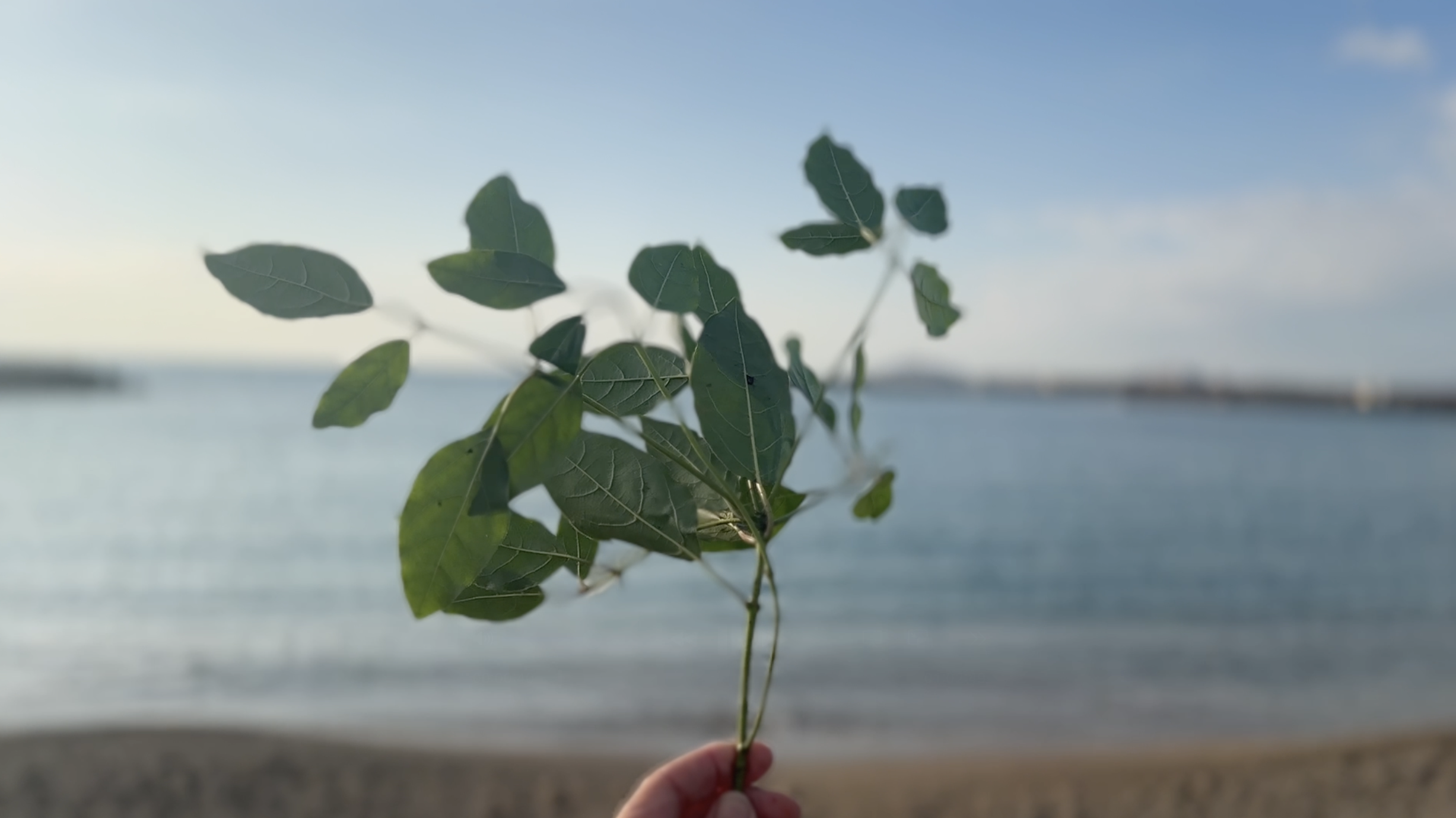



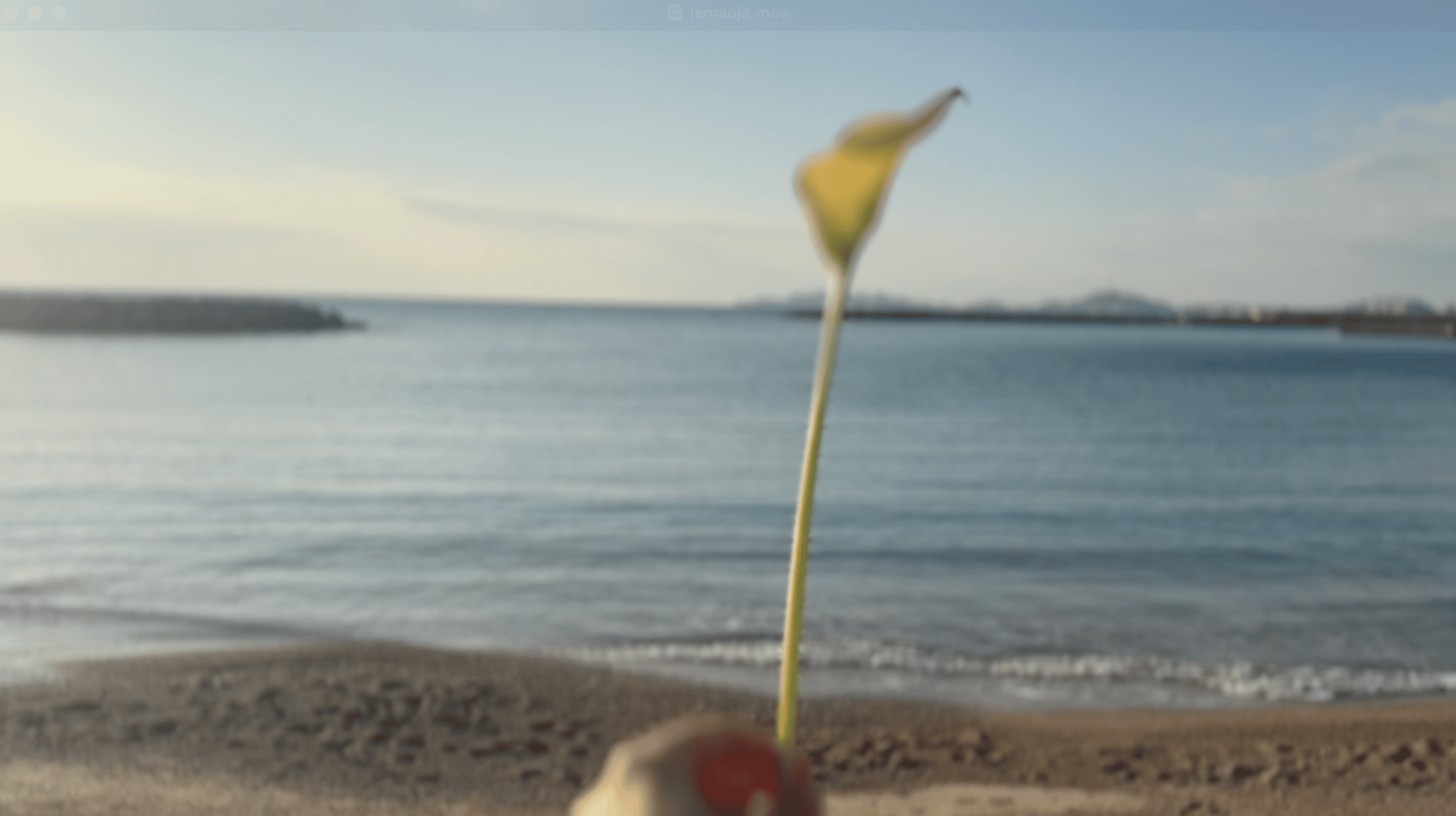
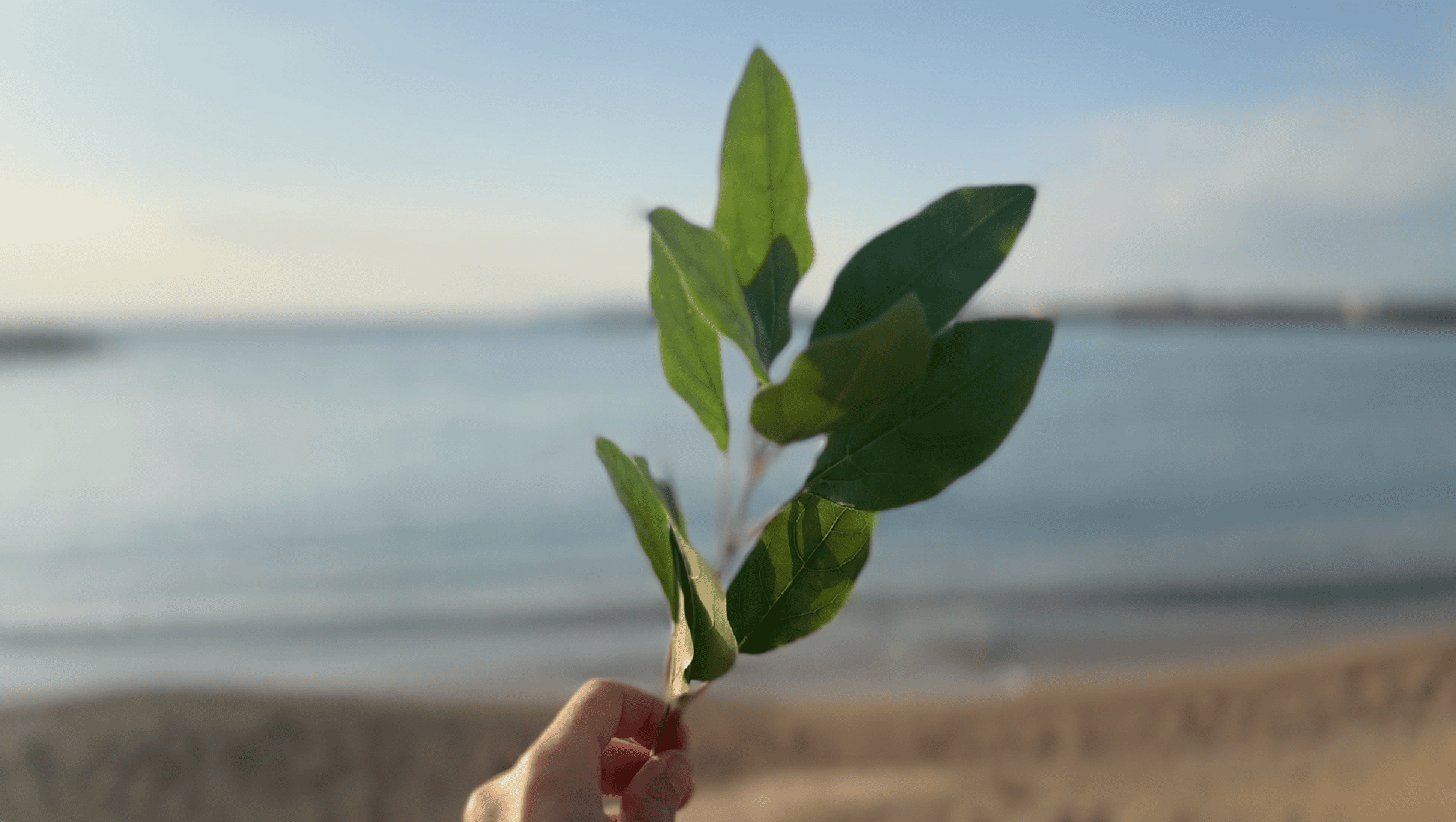
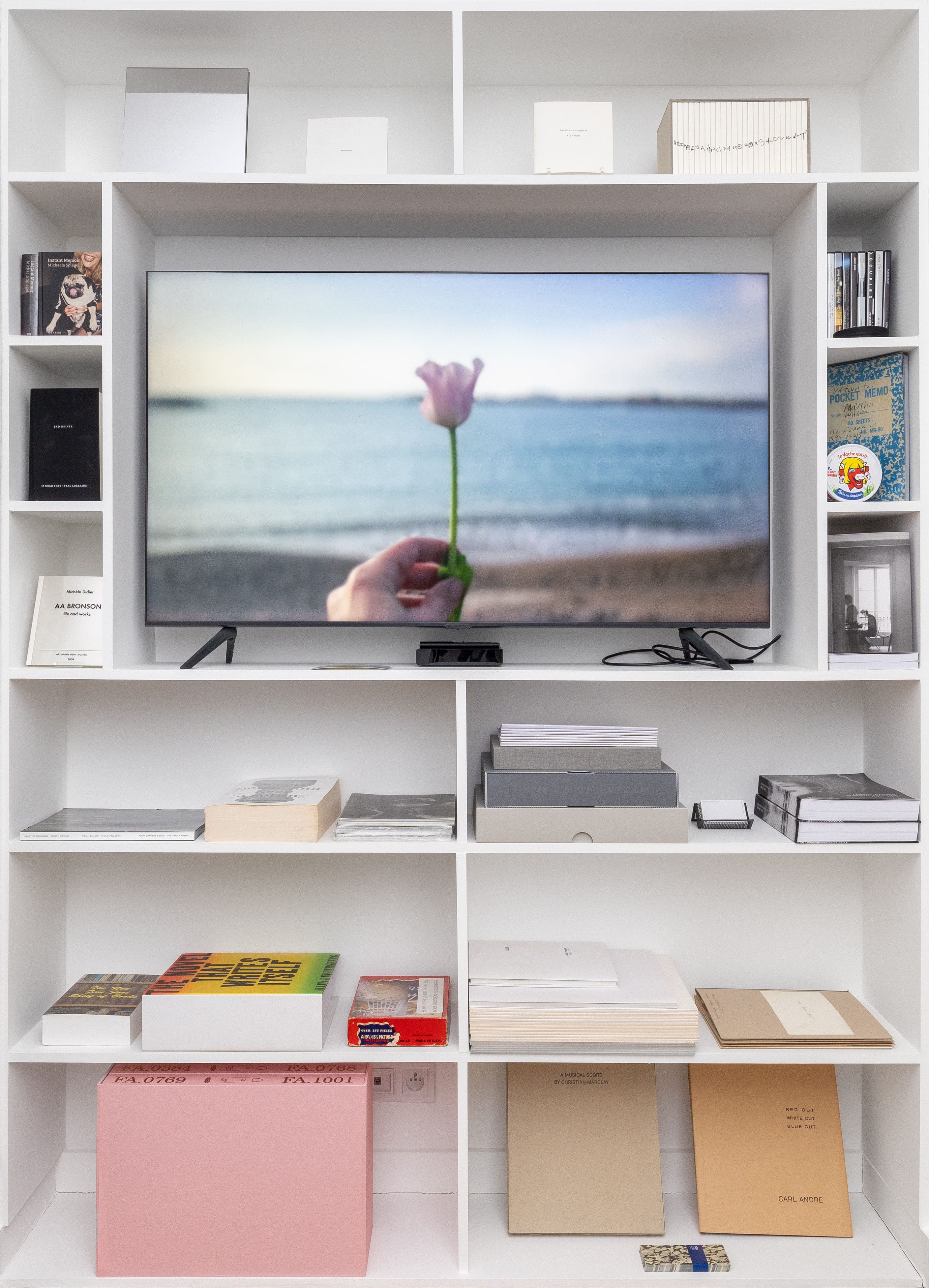
Color video, 4 mn 14 s
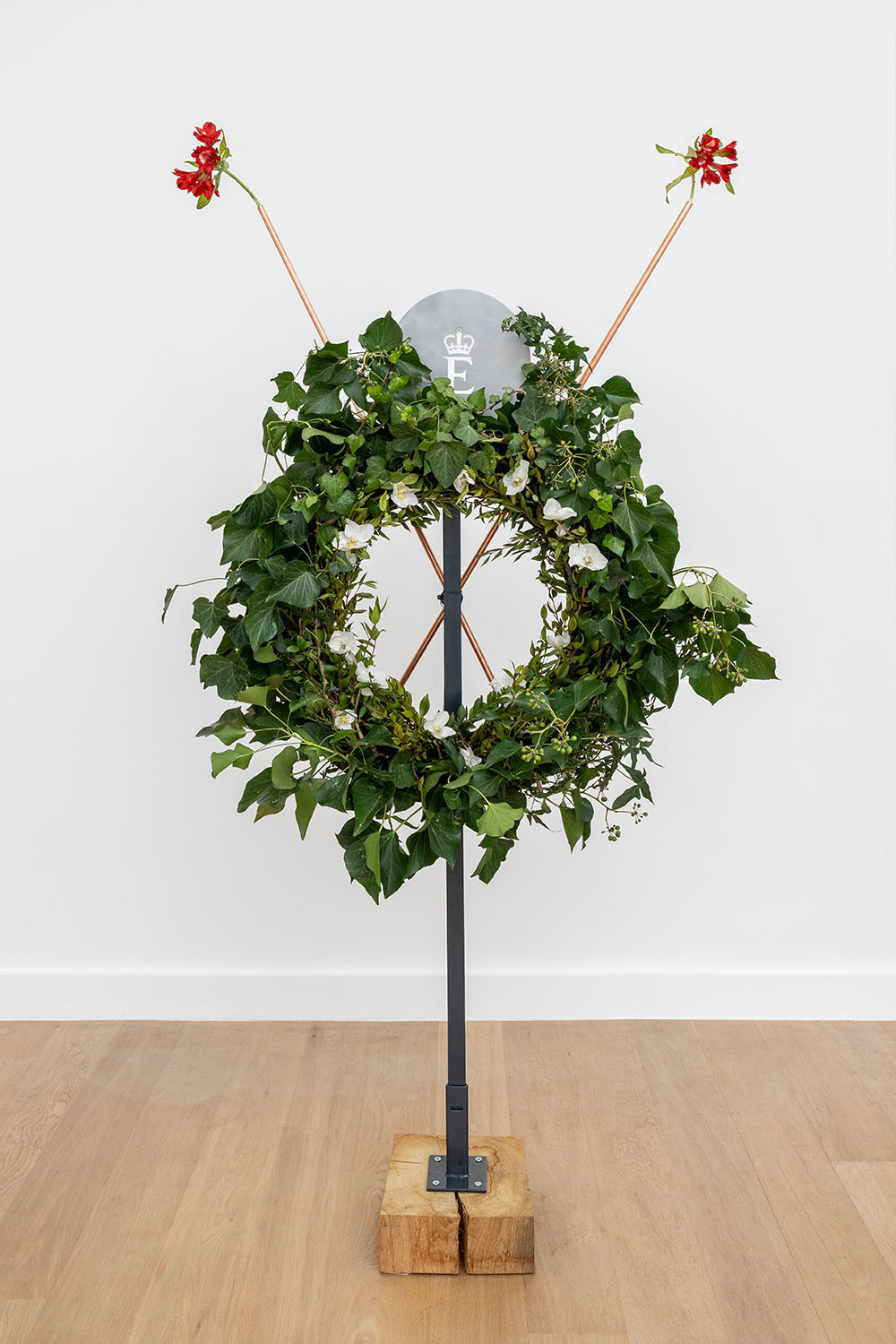
Composition of fresh flowers
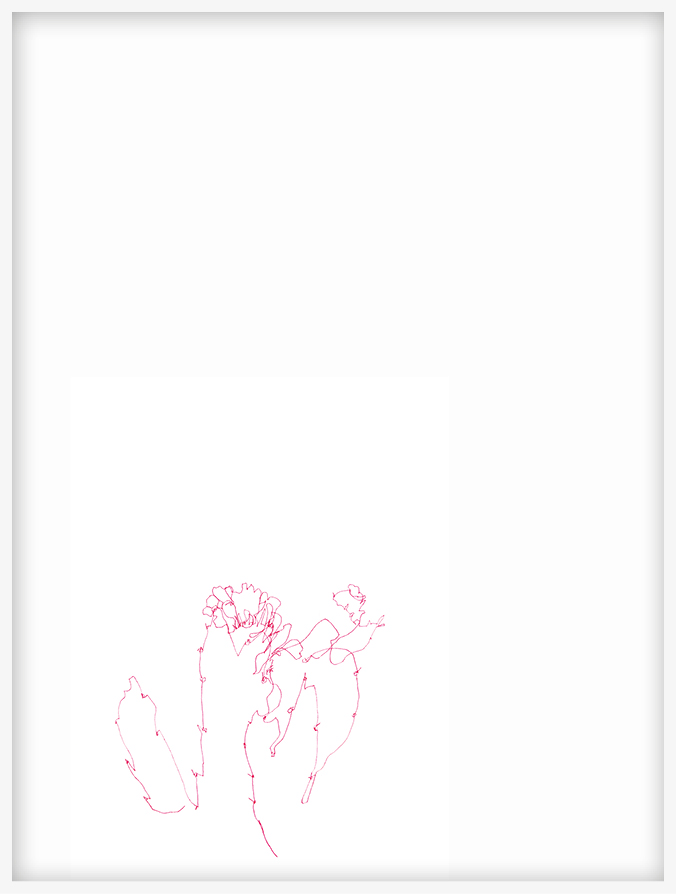
Drawing on red carbon paper, transferred onto 200g paper
25.59 x 19.69 in ( 65 x 50 cm )
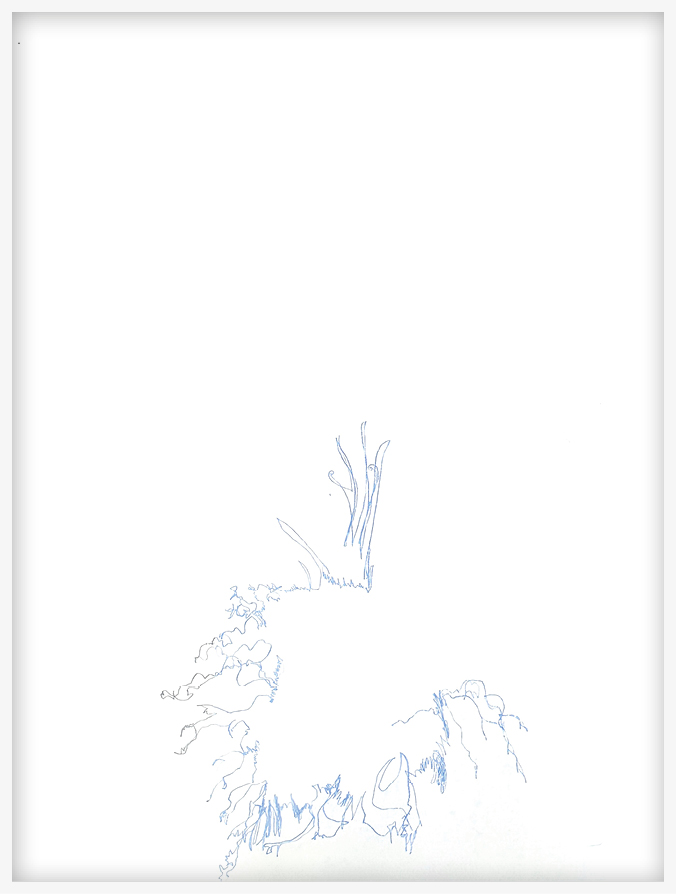
Drawing on blue carbon paper, transferred onto 200g paper
25.59 x 19.69 in ( 65 x 50 cm )
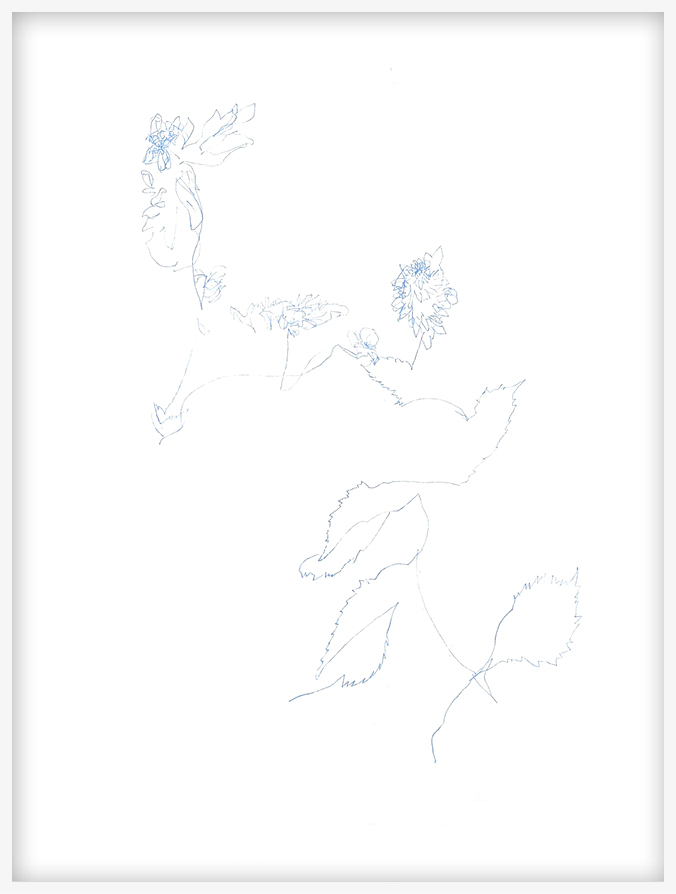
Drawing on blue carbon paper, transferred onto 200g paper
25.59 x 19.69 in ( 65 x 50 cm )
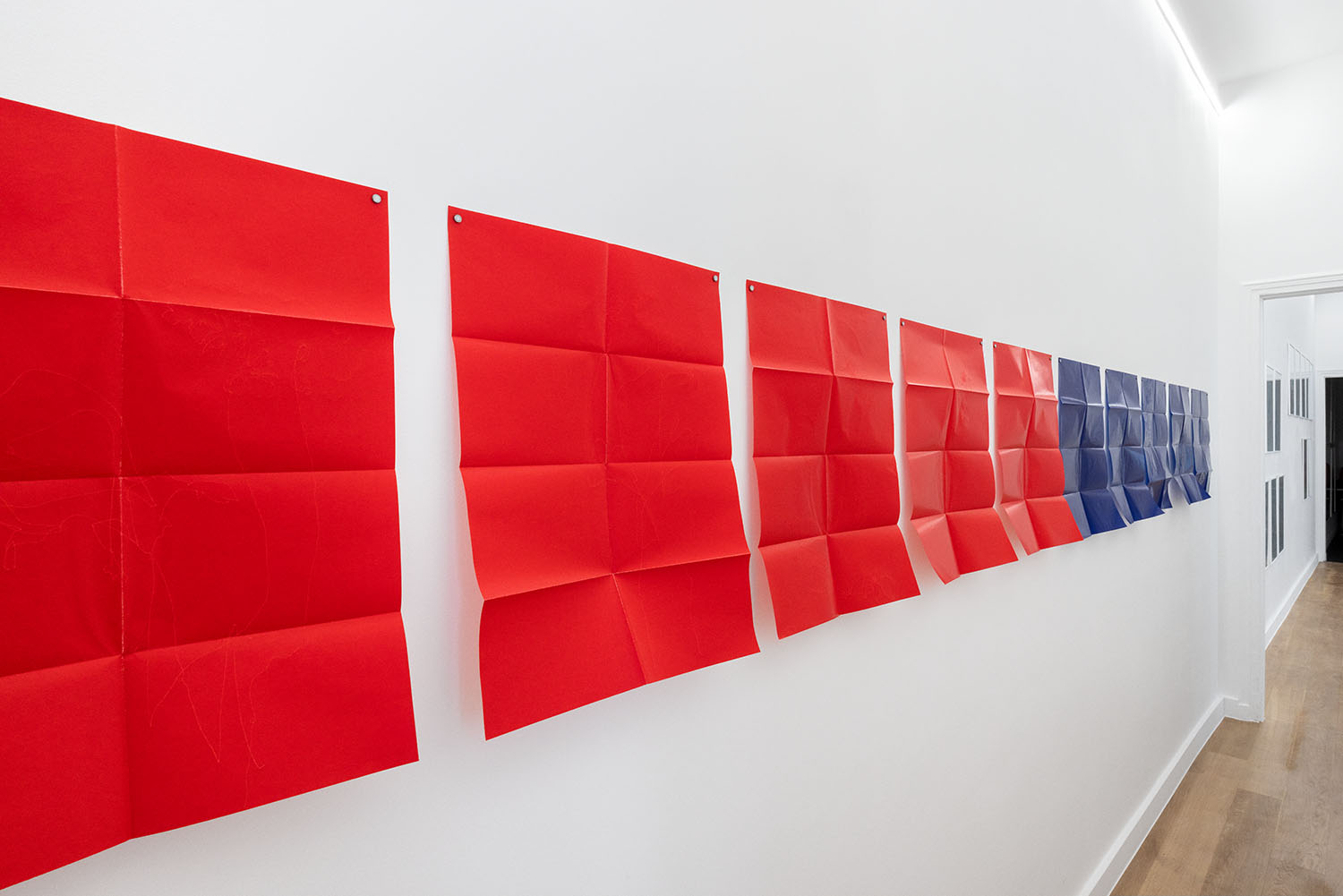
Drawings on carbon paper
20.47 x 16.54 in ( 52 x 42 cm )
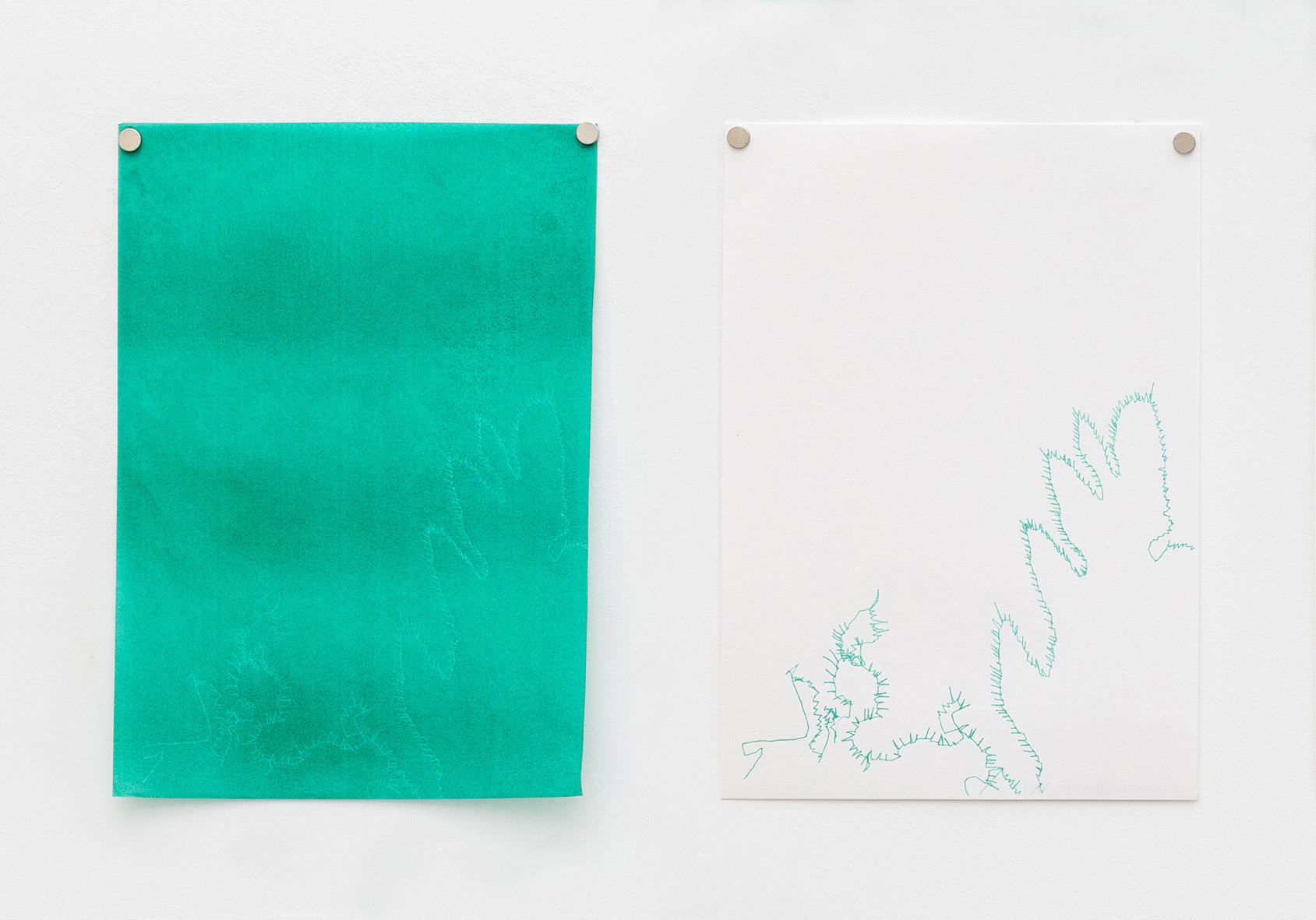
Set including carbon paper and its drawing
11.42 x 16.54 in ( 29,7 x 42 cm )

Drawing on blue carbon paper, transferred onto 200g paper
25.59 x 19.69 in ( 65 x 50 cm )
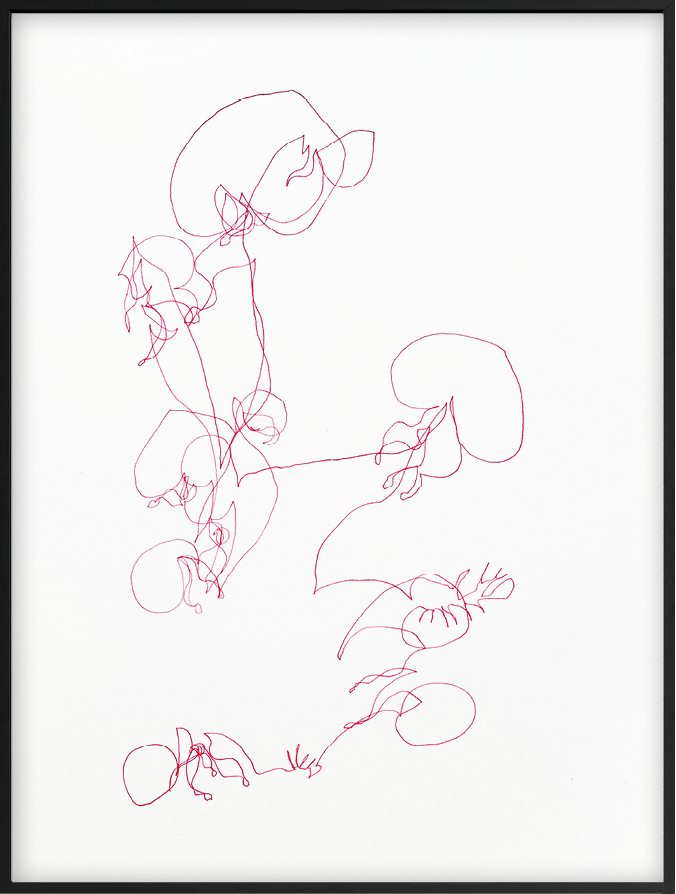
Drawing on red carbon paper, transferred onto 200g paper
25.59 x 19.69 in ( 65 x 50 cm )
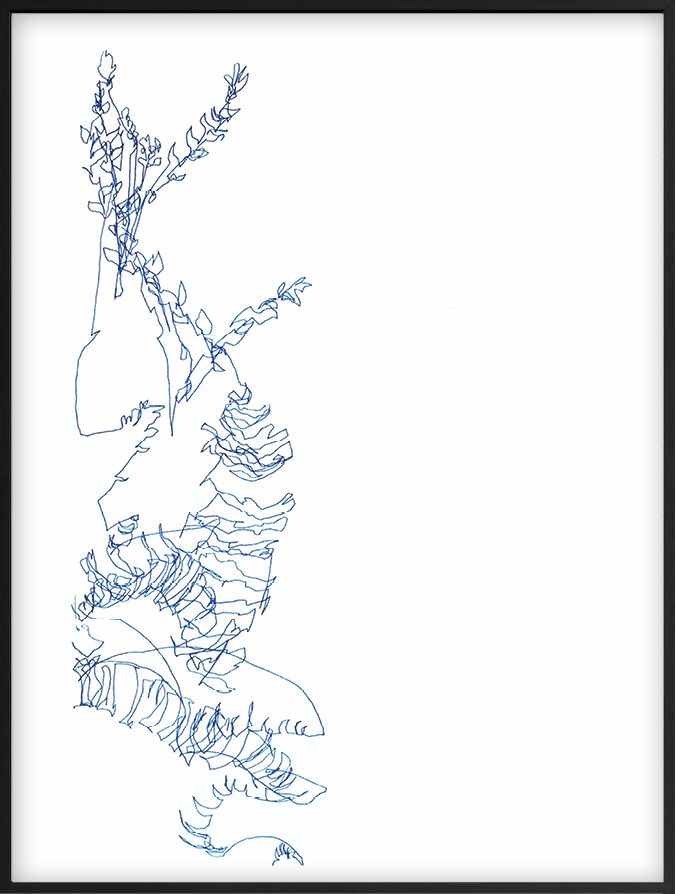
Drawing on blue carbon paper, transferred onto 200g paper
25.59 x 19.69 in ( 65 x 50 cm )
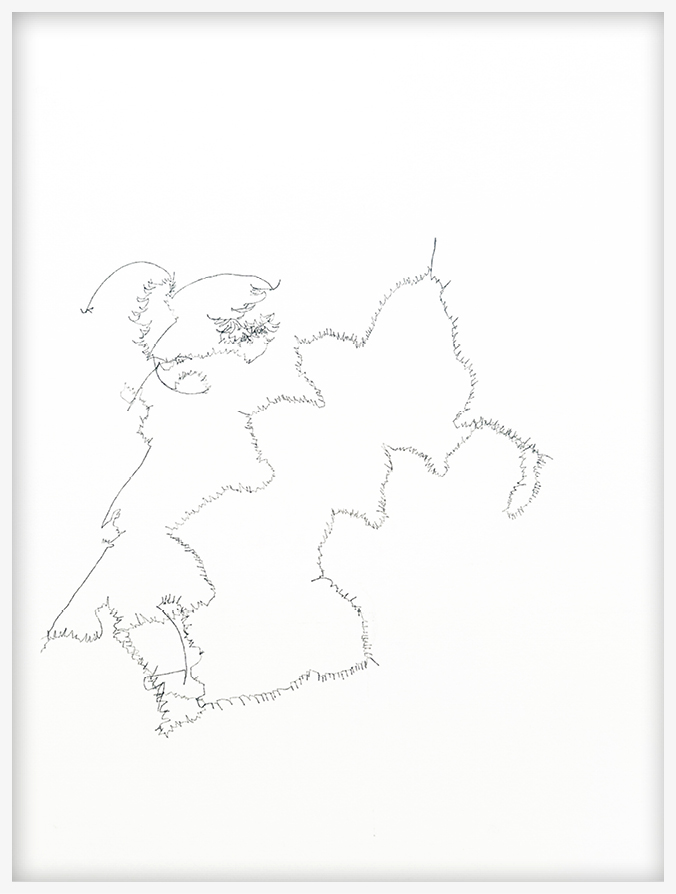
Drawing on black carbon paper, transferred onto 200g paper
25.59 x 19.69 in ( 65 x 50 cm )
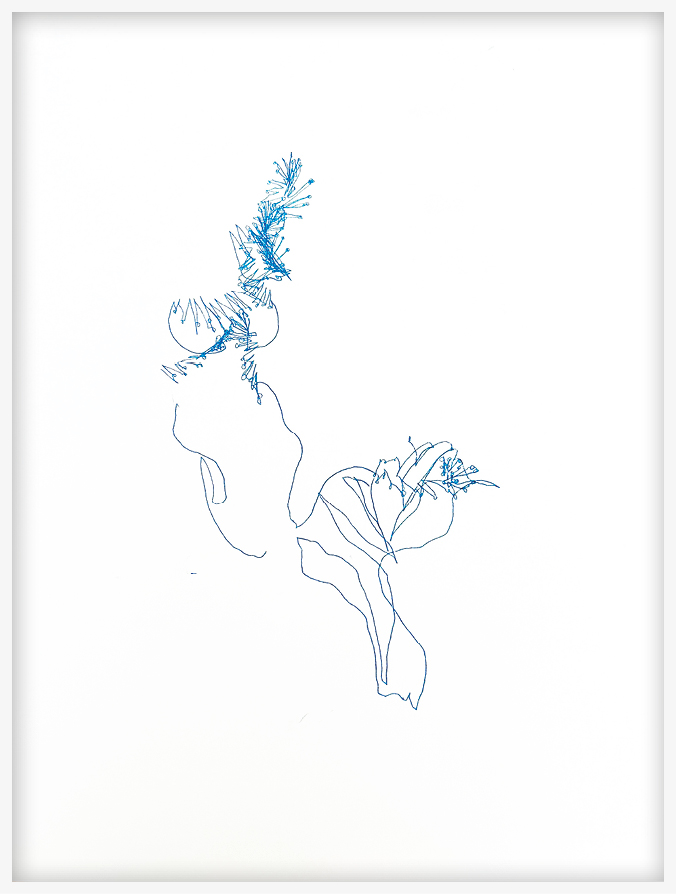
Drawing on blue carbon paper, transferred onto 200g paper
25.59 x 19.69 in ( 65 x 50 cm )
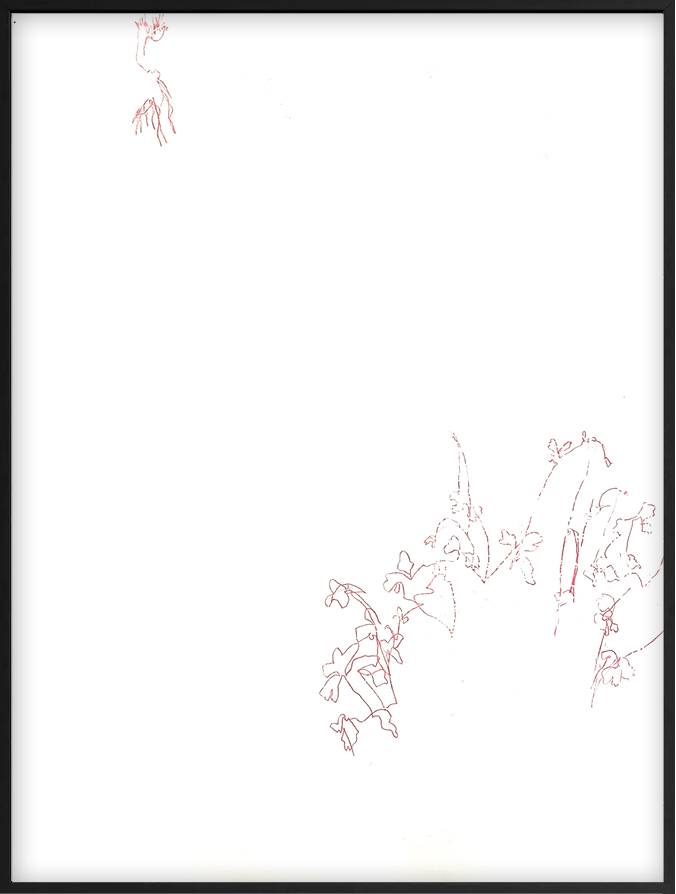
Drawing on red carbon paper, transferred onto 200g paper
25.59 x 19.69 in ( 65 x 50 cm )