Robert Barry, Mel Bochner, On Kawara, Christian Marclay - IFPDA Print Fair - Art fairmfc-michèle didier | Paris - Brussels -
IFPDA PRINT FAIR 2017
October 26-29, 2017
New York, USA
Since 1987, mfc-michèle didier has been a figurehead as producer and publisher of unique works with a longstanding interest in American conceptual art, collaborating extensively on exceptional projects which fall under the historical category of artists? books.
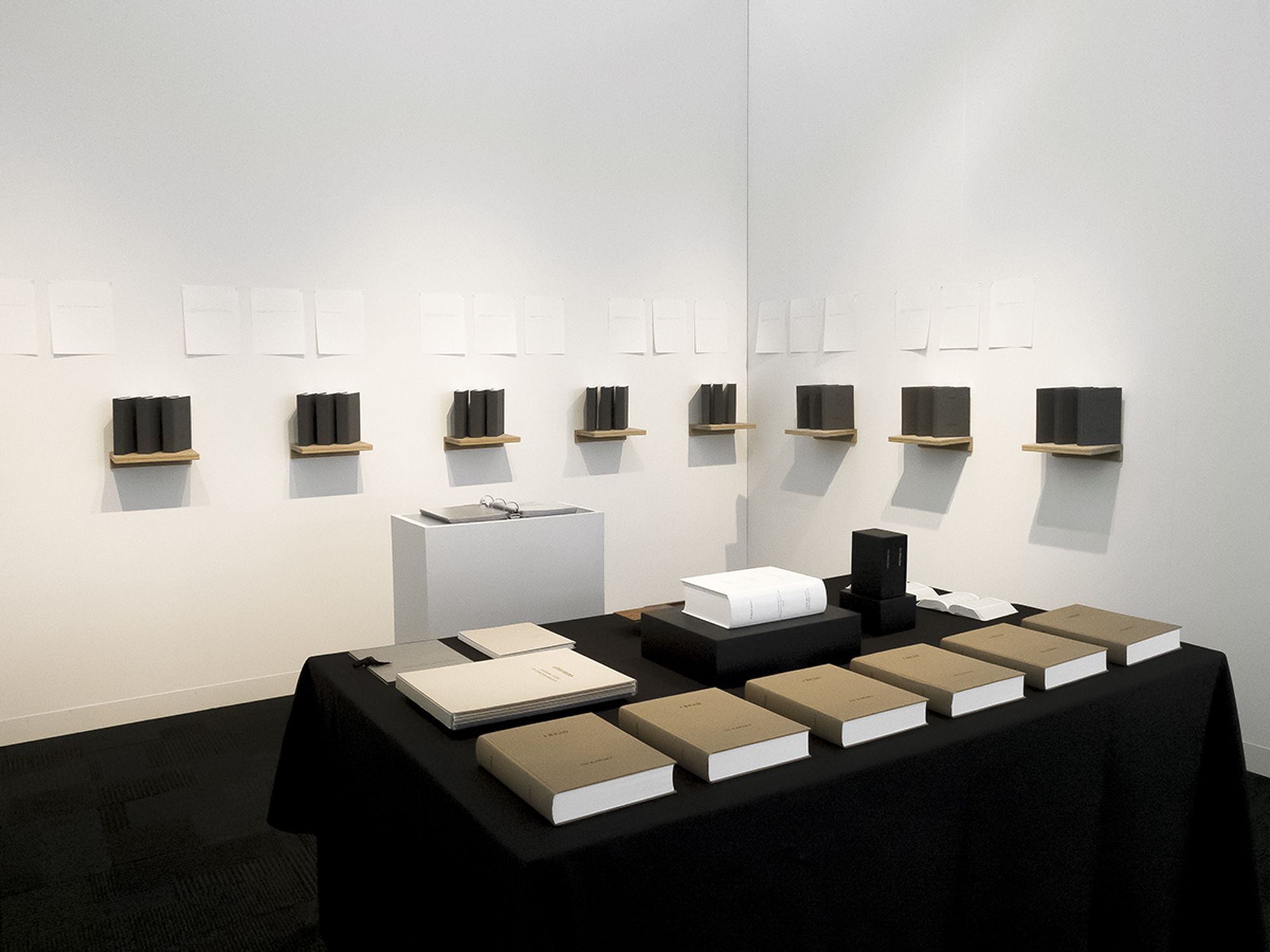
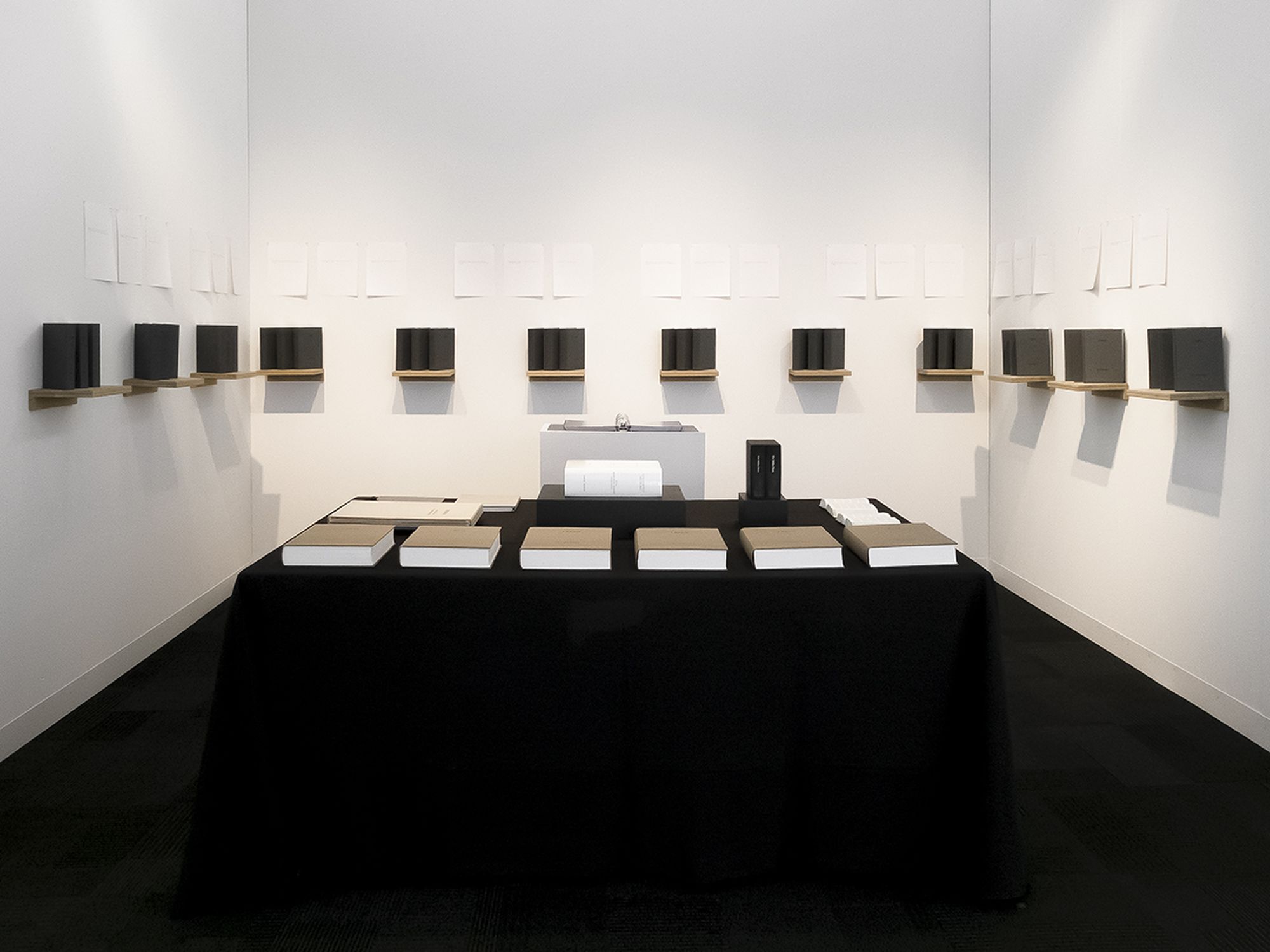
For the 2017 edition of IFPDA - Fine Art Print Fair, mfc-michèle didier will show a selection of works from four major artists: Robert Barry, Mel Bochner, On Kawara and Christian Marclay.
In the same manner as many of their contemporaries, these four artists question the book as an object and, in a broader sense, the forms which can be derived from it. They have continuously experimented with textual and visual material, cutting loose from conventional practices and common methods. Their approach is one of strong commitment, which they lay claim to and steadily nourish with new productions.
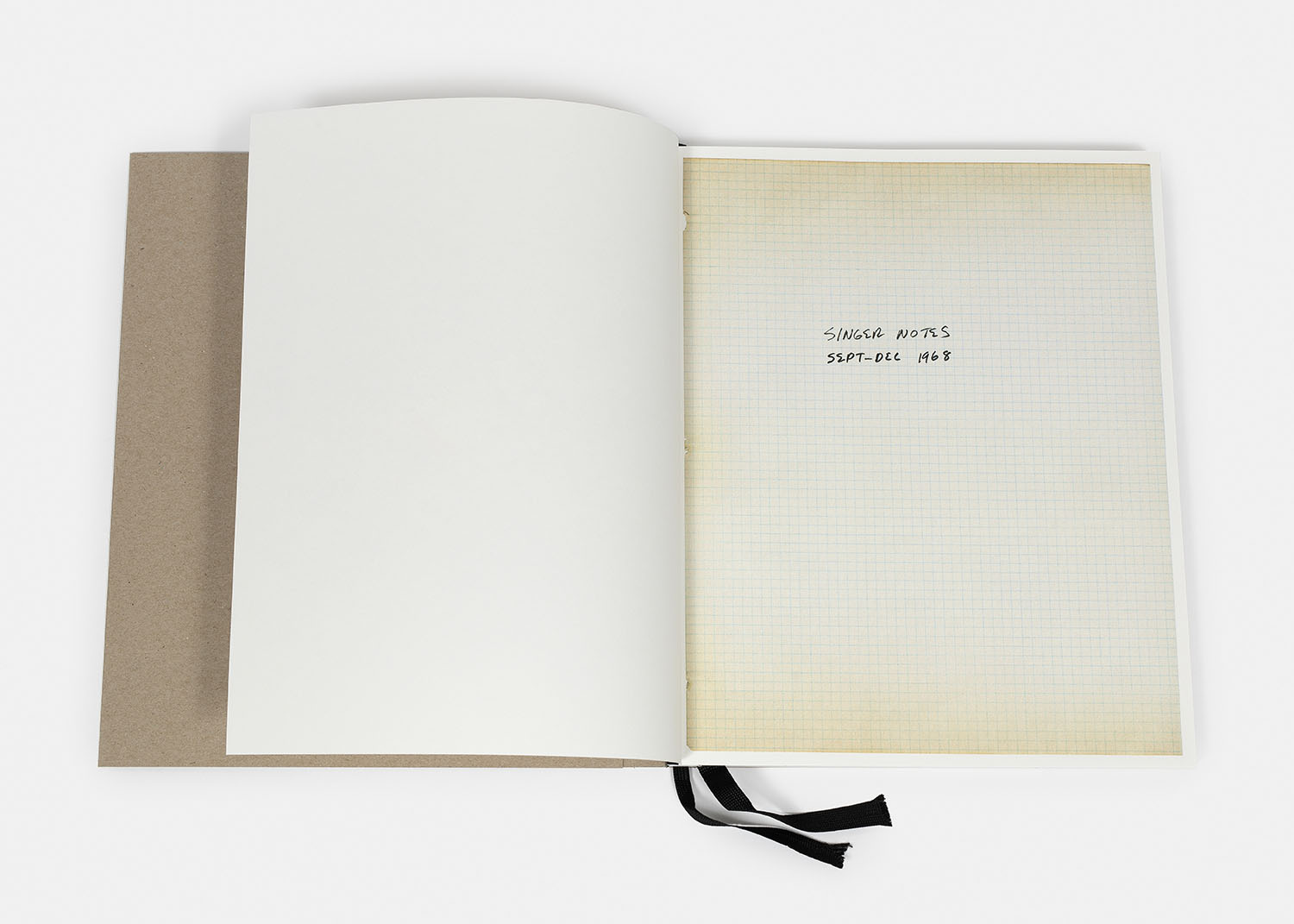
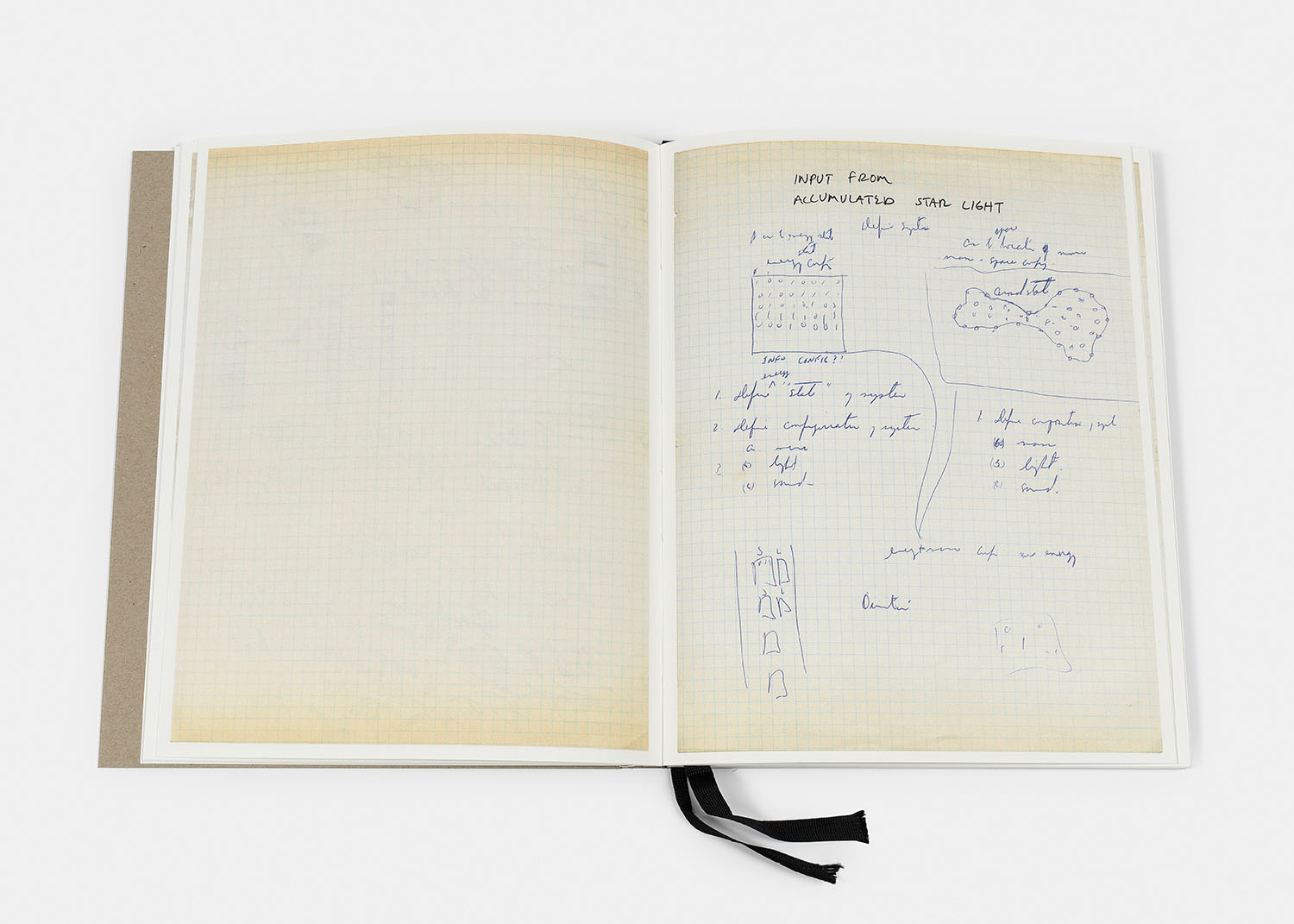
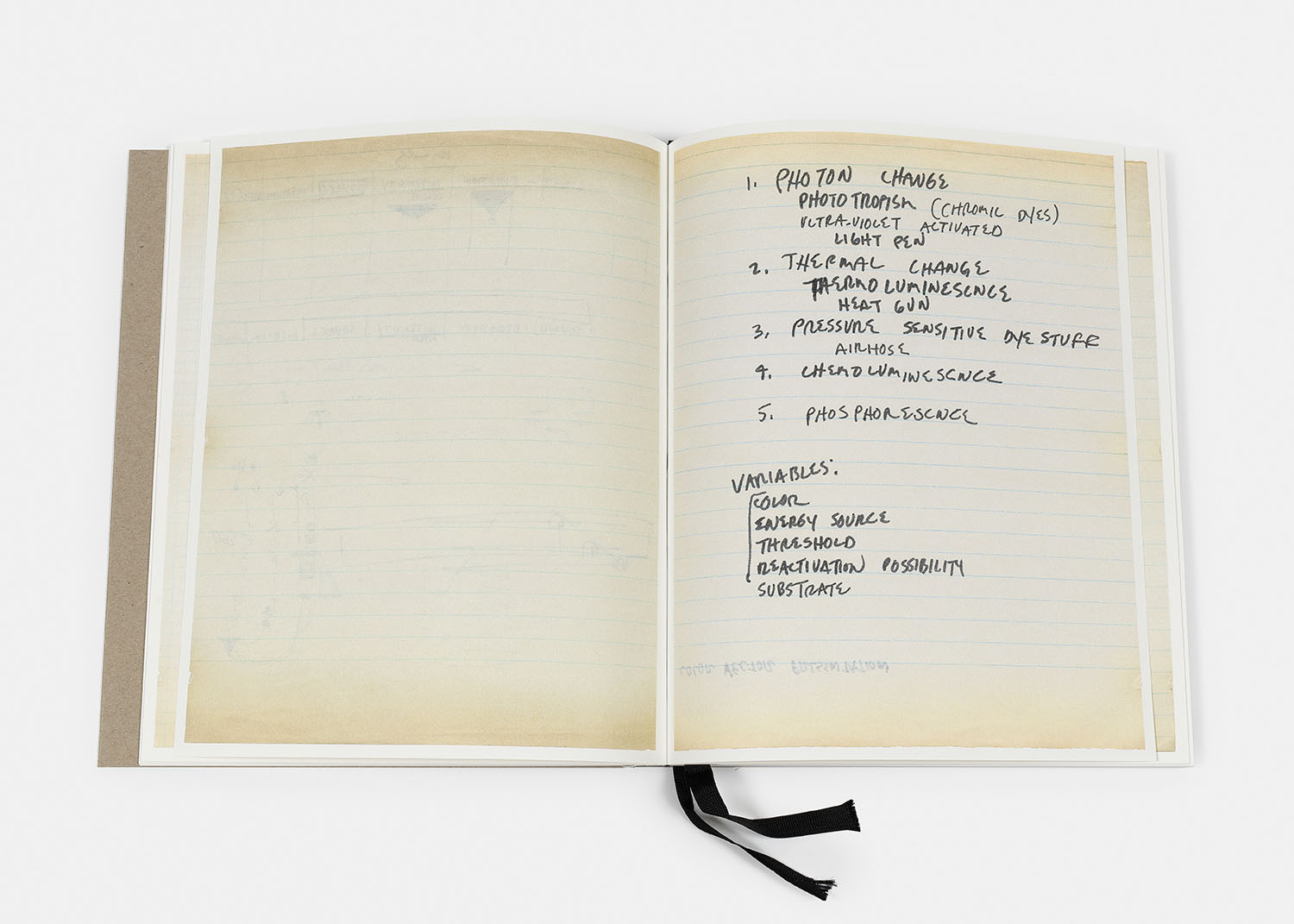
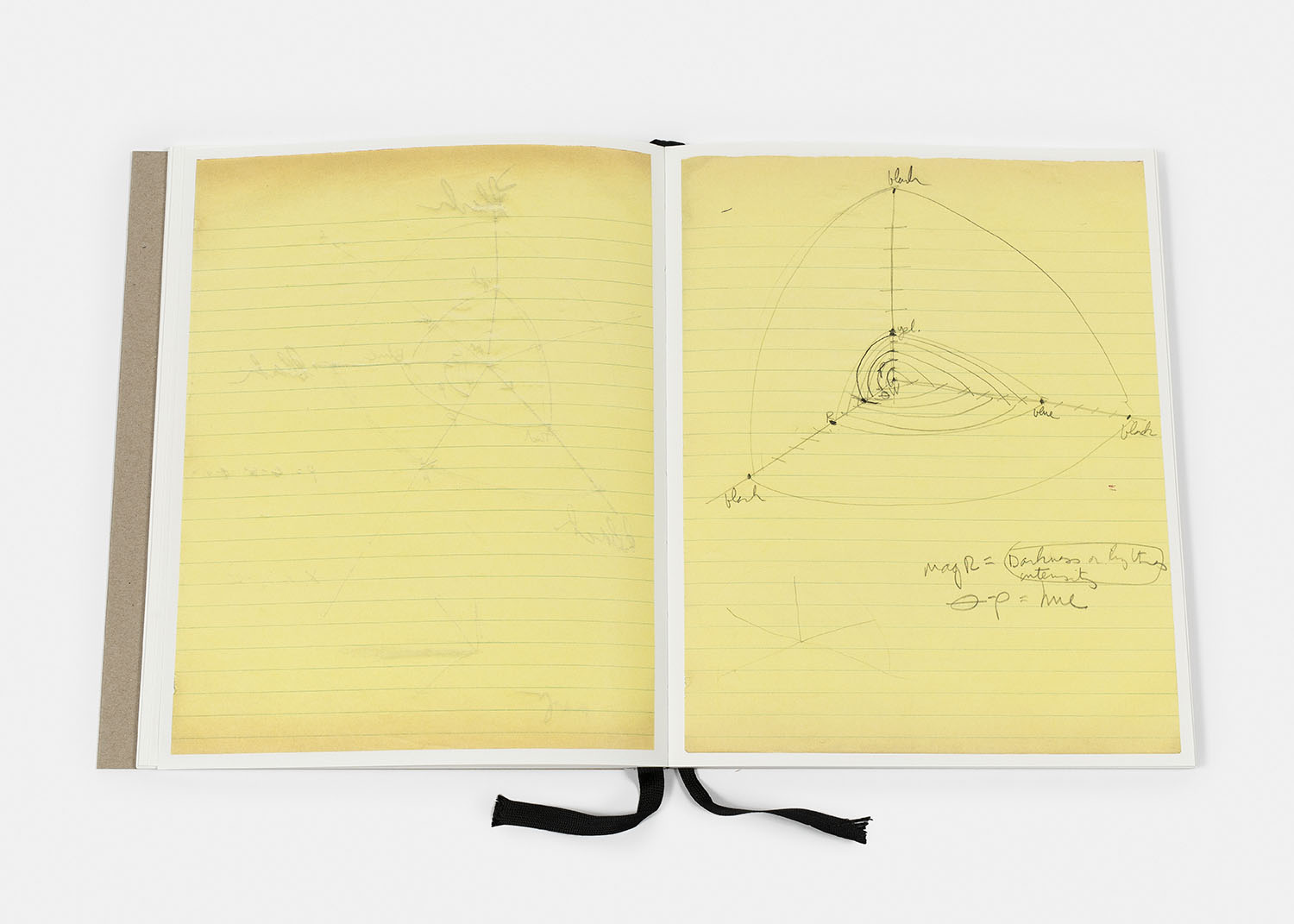
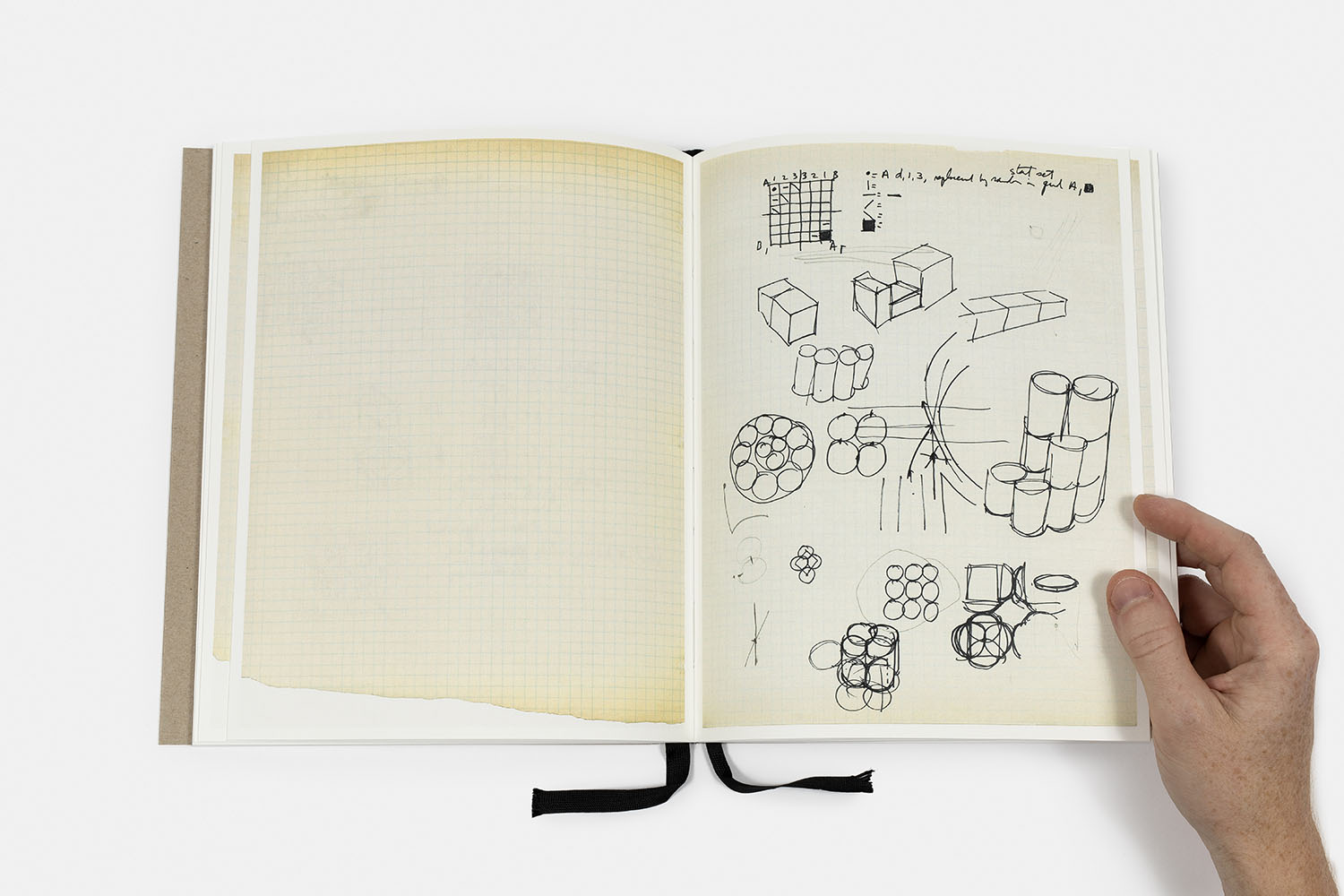
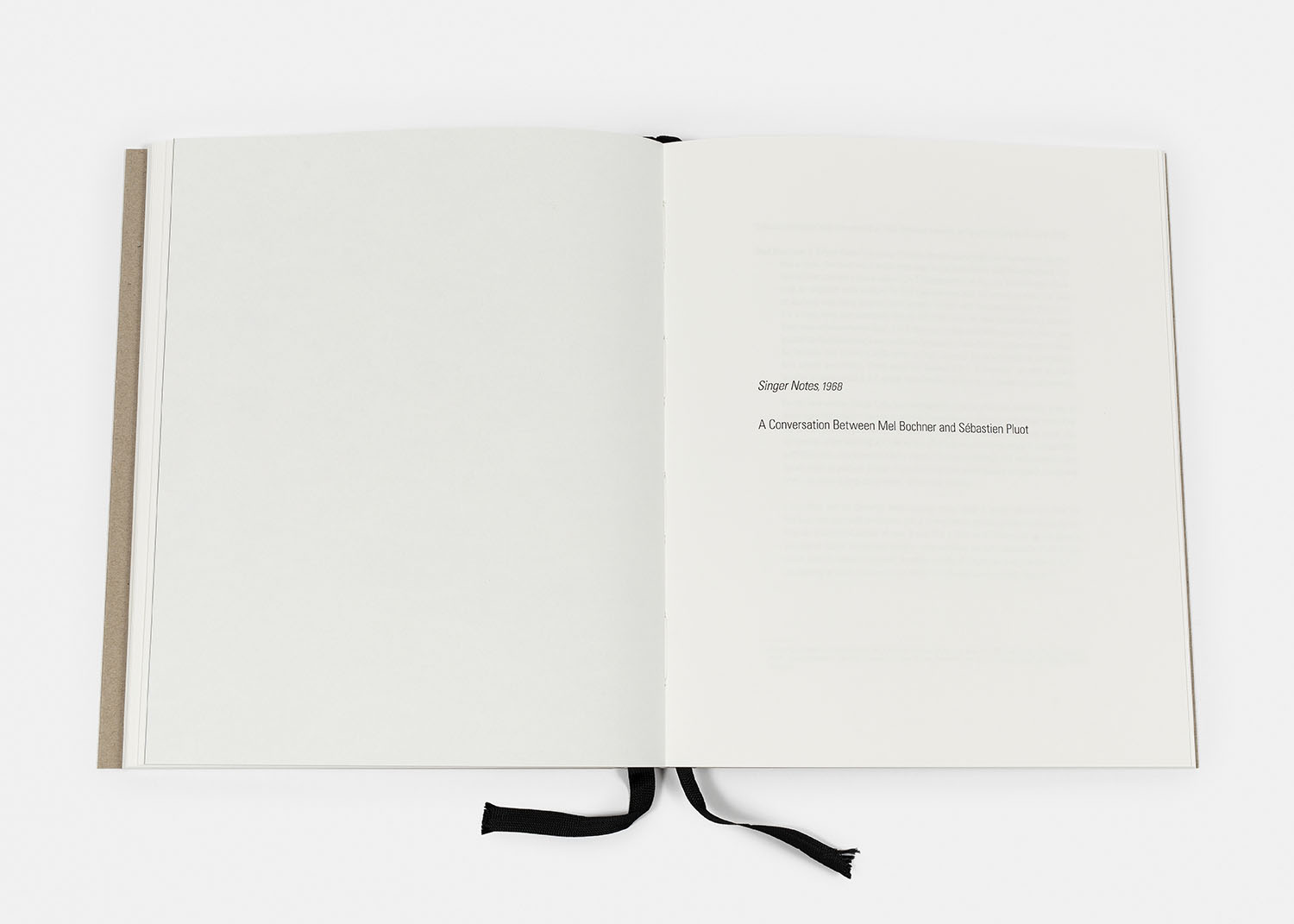
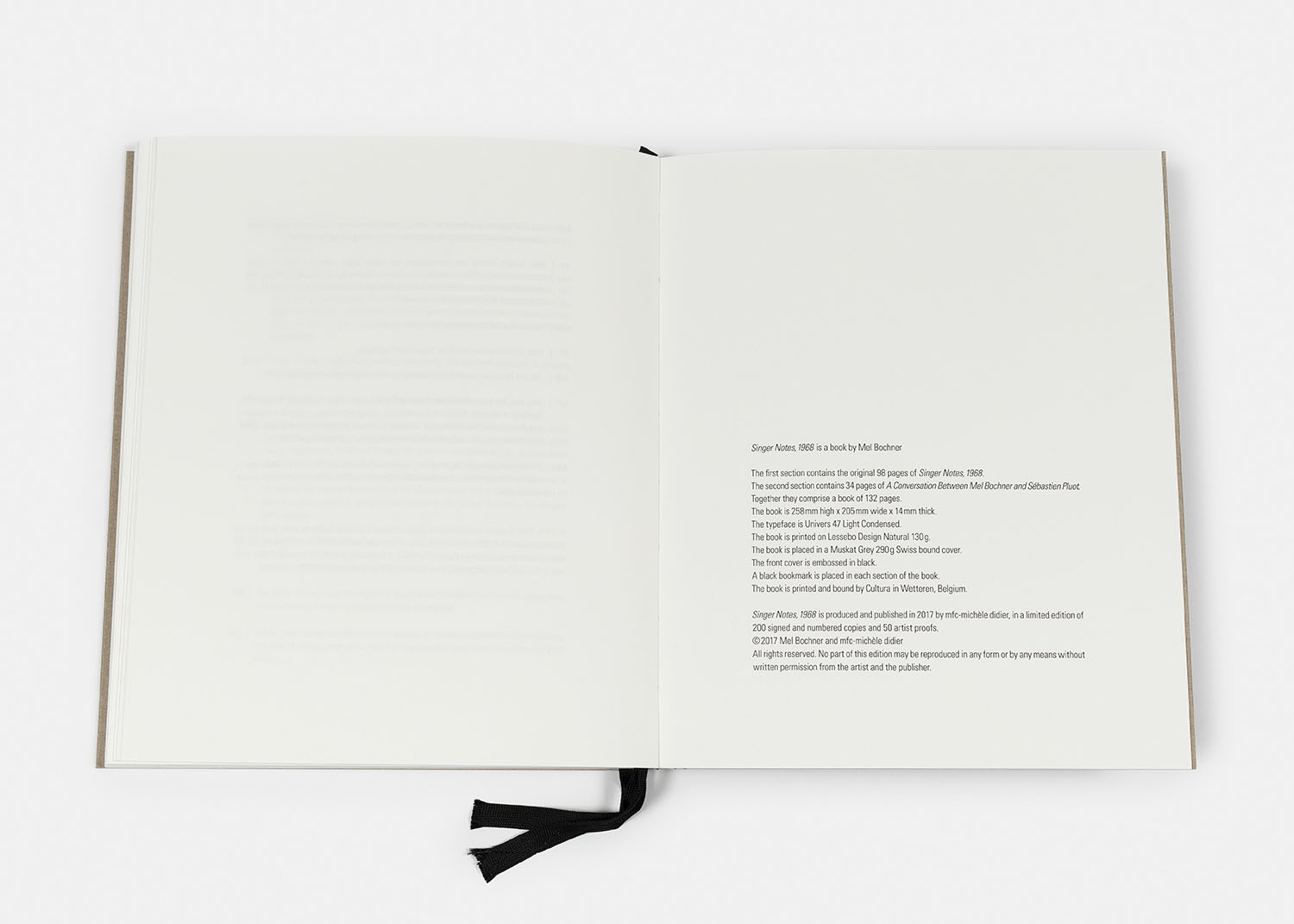
On the occasion of the IFPDA, mfc-michèle didier will present Mel Bochner?s Singer Notes, 1968, a facsimile of the original Singer Notes folder bringing together each note and sketch put on paper by Bochner during sessions shared with researchers and engineers at the Singer Corporation as part of his participation in E.A.T. (Experiments in Art and Technology). This programme hinged upon the research and development of new information technologies in the industrial sector, and although Bochner?s bi-weekly sessions didn?t allow him to grasp the entirety of the issues at stake (which were of course too far-reaching), he instead developed a way to mark out their limits: measuring. Upon returning to his studio, Bochner began taking the measures of his walls, bringing forth the series entitled Measurements. Singer Notes traces out the evolution of Bochner?s artistic thought process from its state as inchoate, nebulous manuscript to the methodic and precise (if not to say determining) gesture of measuring.
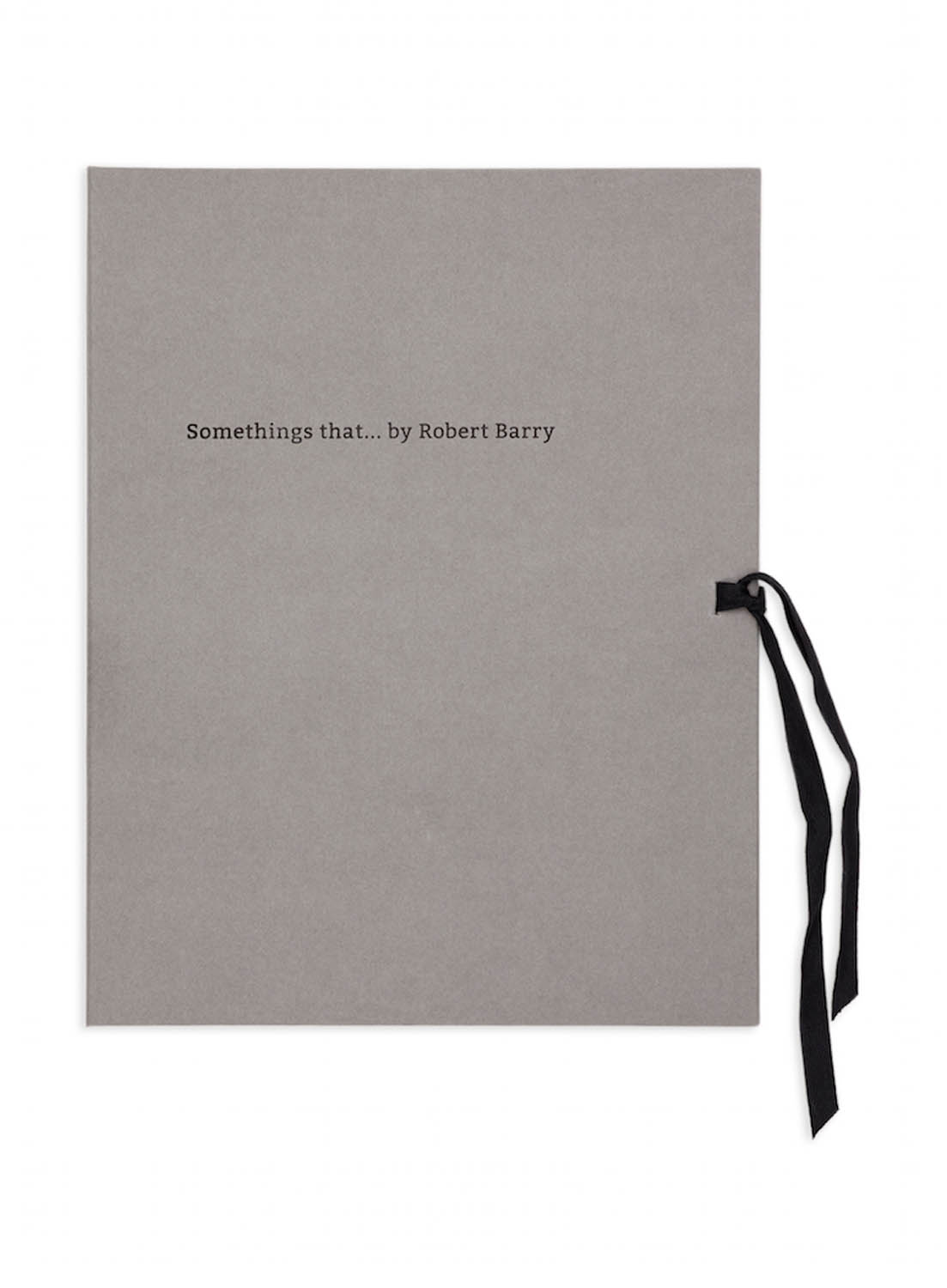
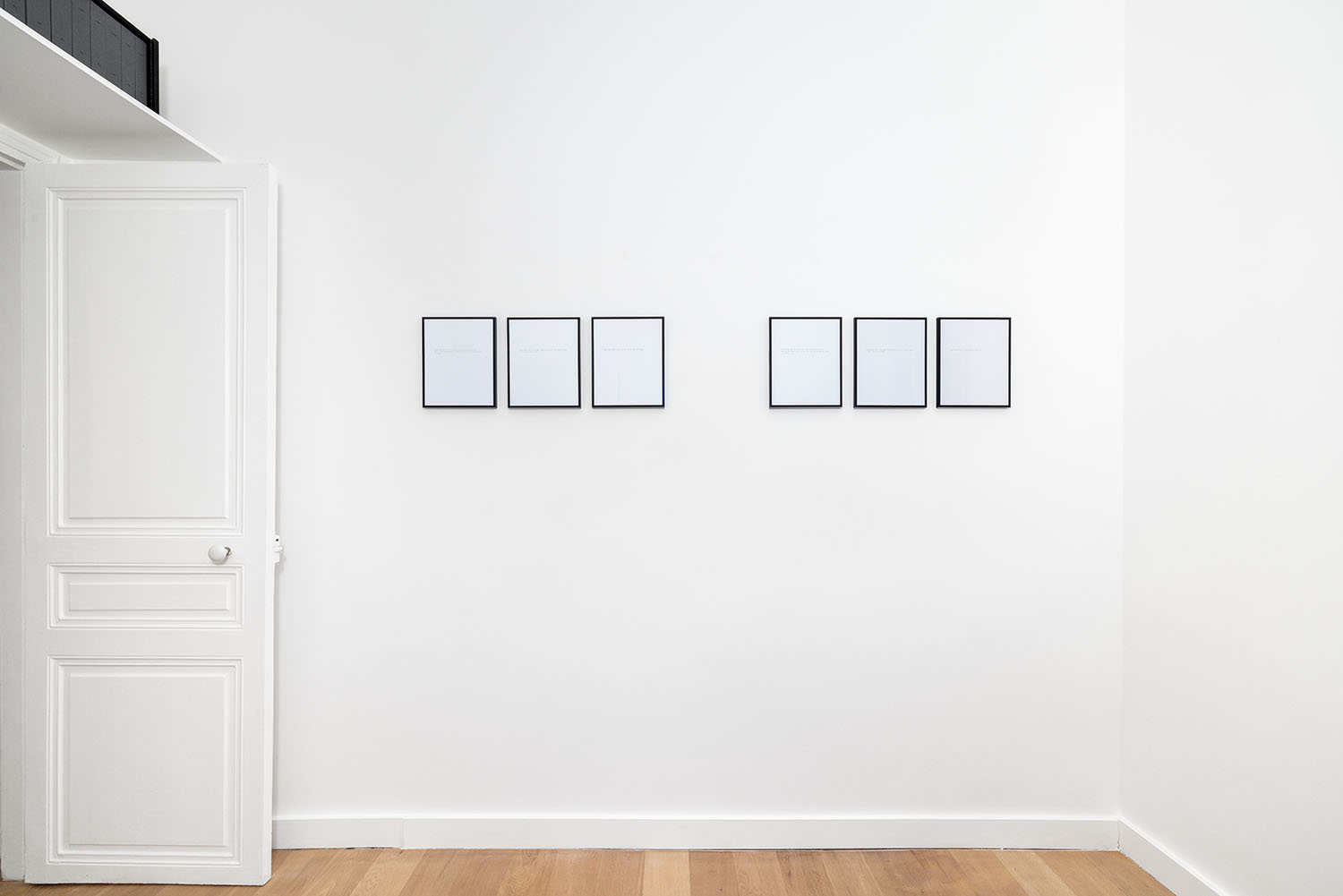
Mel Bochner?s handwritten notes can be easily compared to those typed by Robert Barry entitled Somethings that? (2016). Following his own compositional method devised in 1969, Barry has created a collection of twenty-four sets, each made up of three parts, which respectively contain a statement. The two primary statements are repeated in each set, whereas the third is one of twenty-four possibilities, creating just as many possible combinations. A selection of sets from this work will be shown on one side of the stand, and will shed light upon the importance of language in Robert Barry?s artistic production. While using, playing with, staging and questioning words, the statements from Somethings that? are unique in that they never conjure up an image. Although the combinations of words hold meaning and are grammatically correct, no visual transcription arises in the reader?s mind: the thought remains textual and evolves as such.
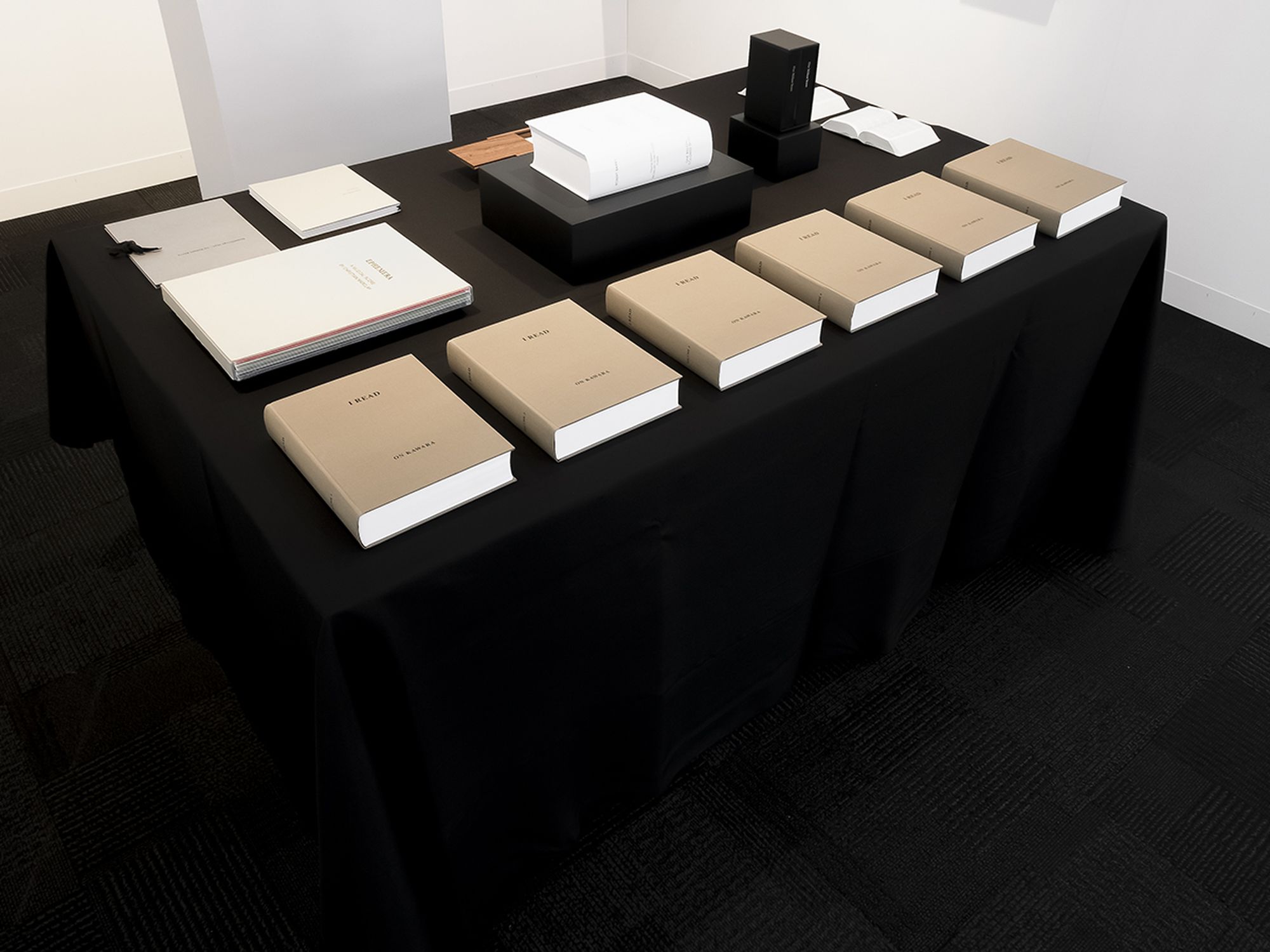
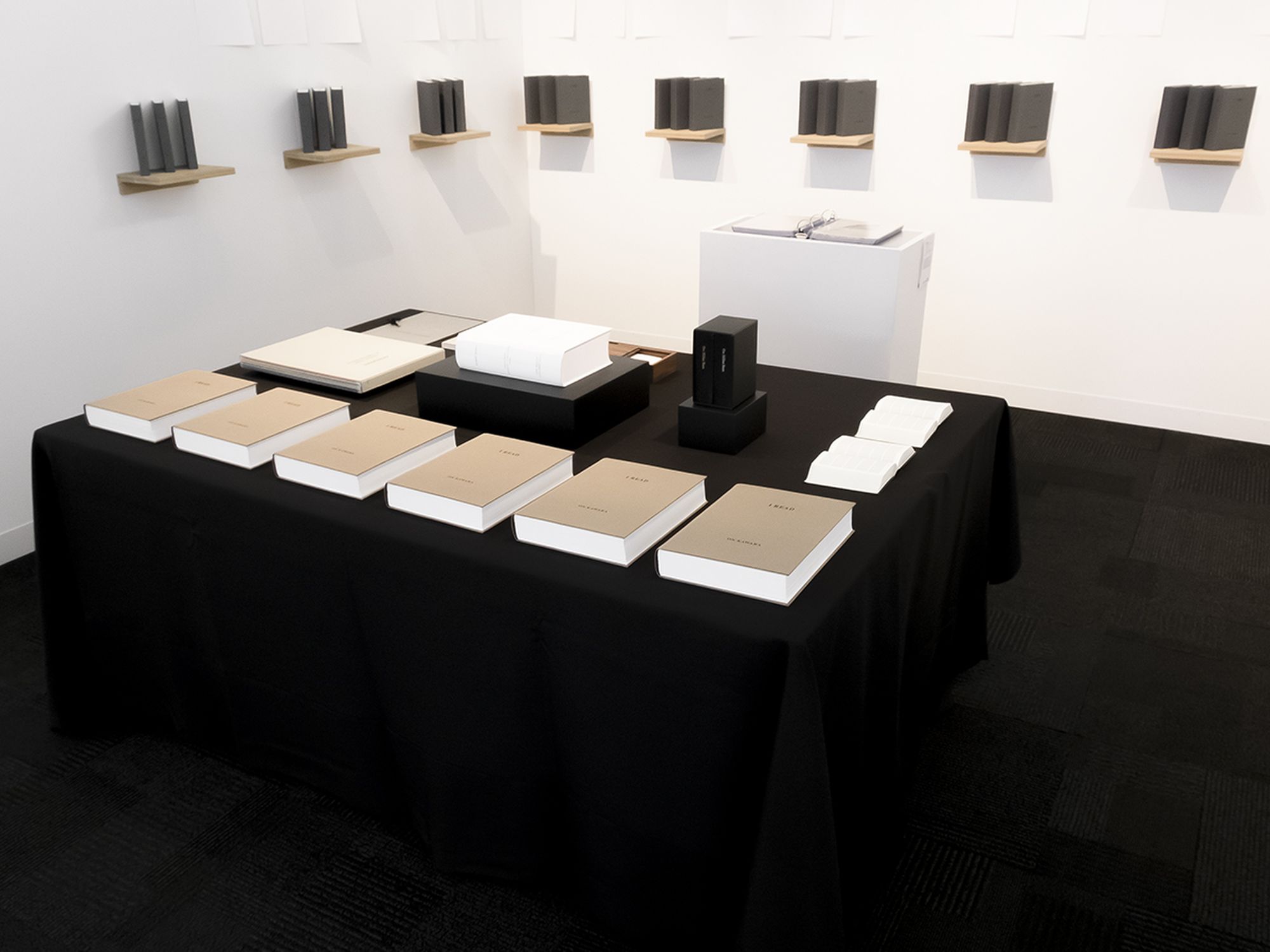
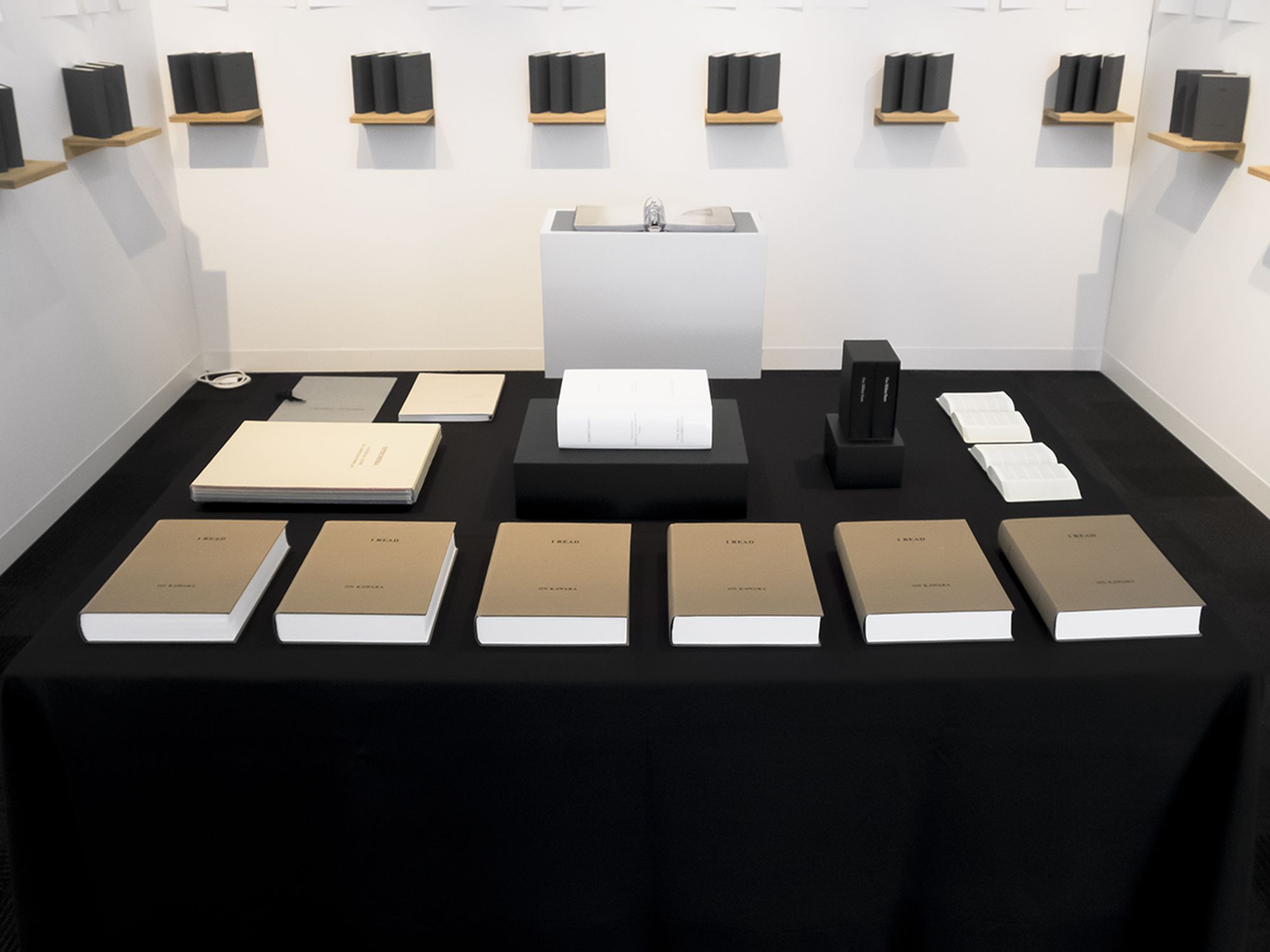
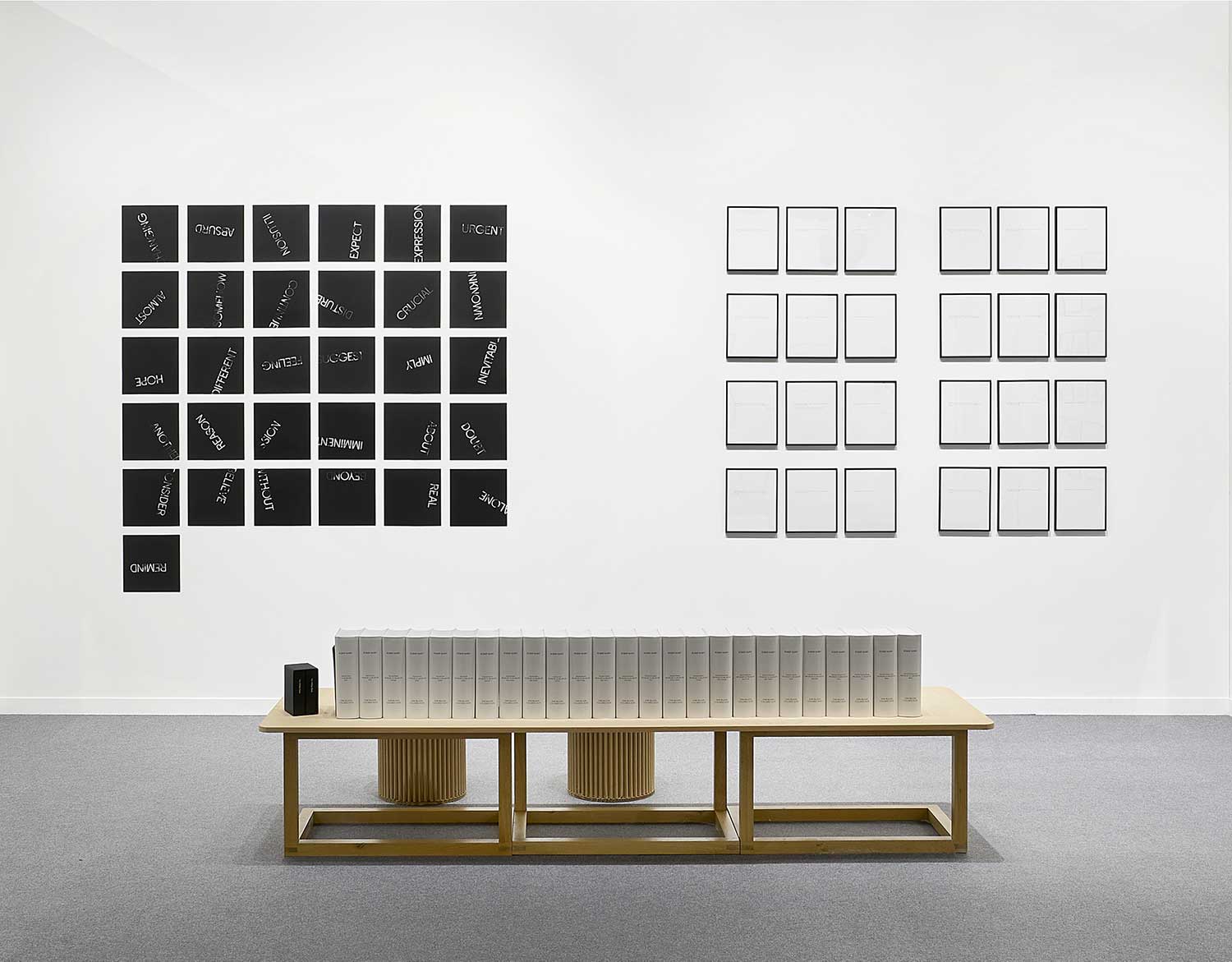
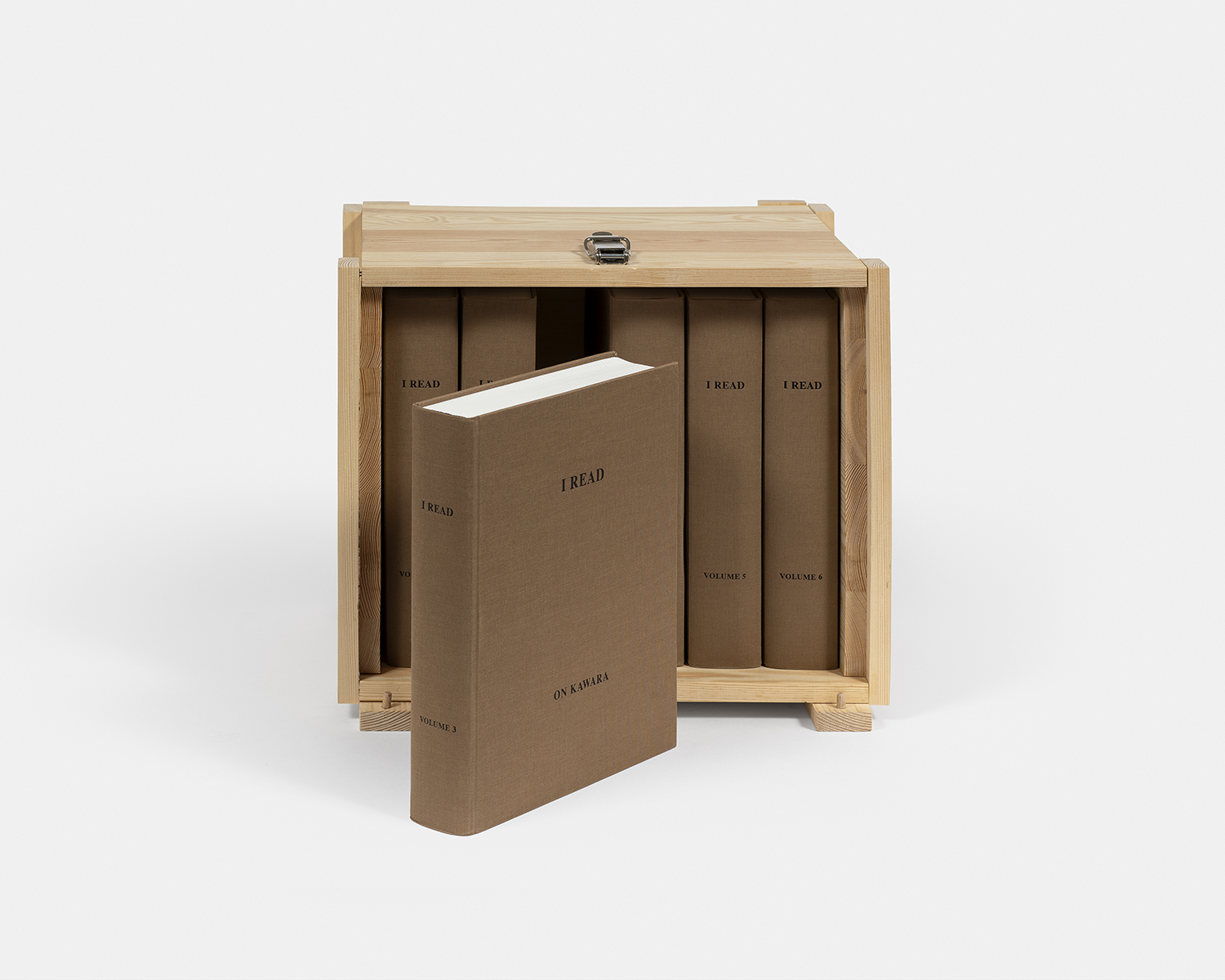
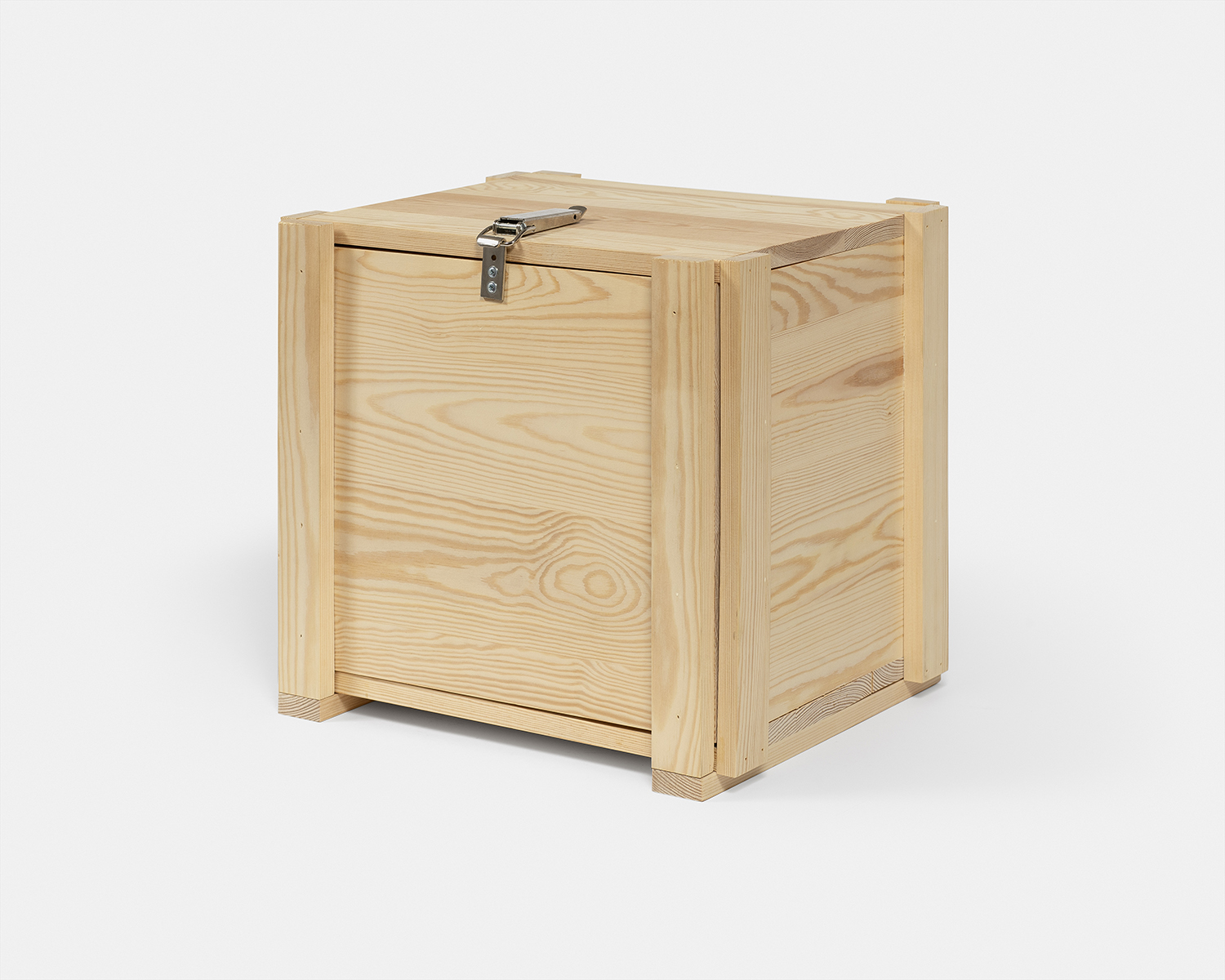
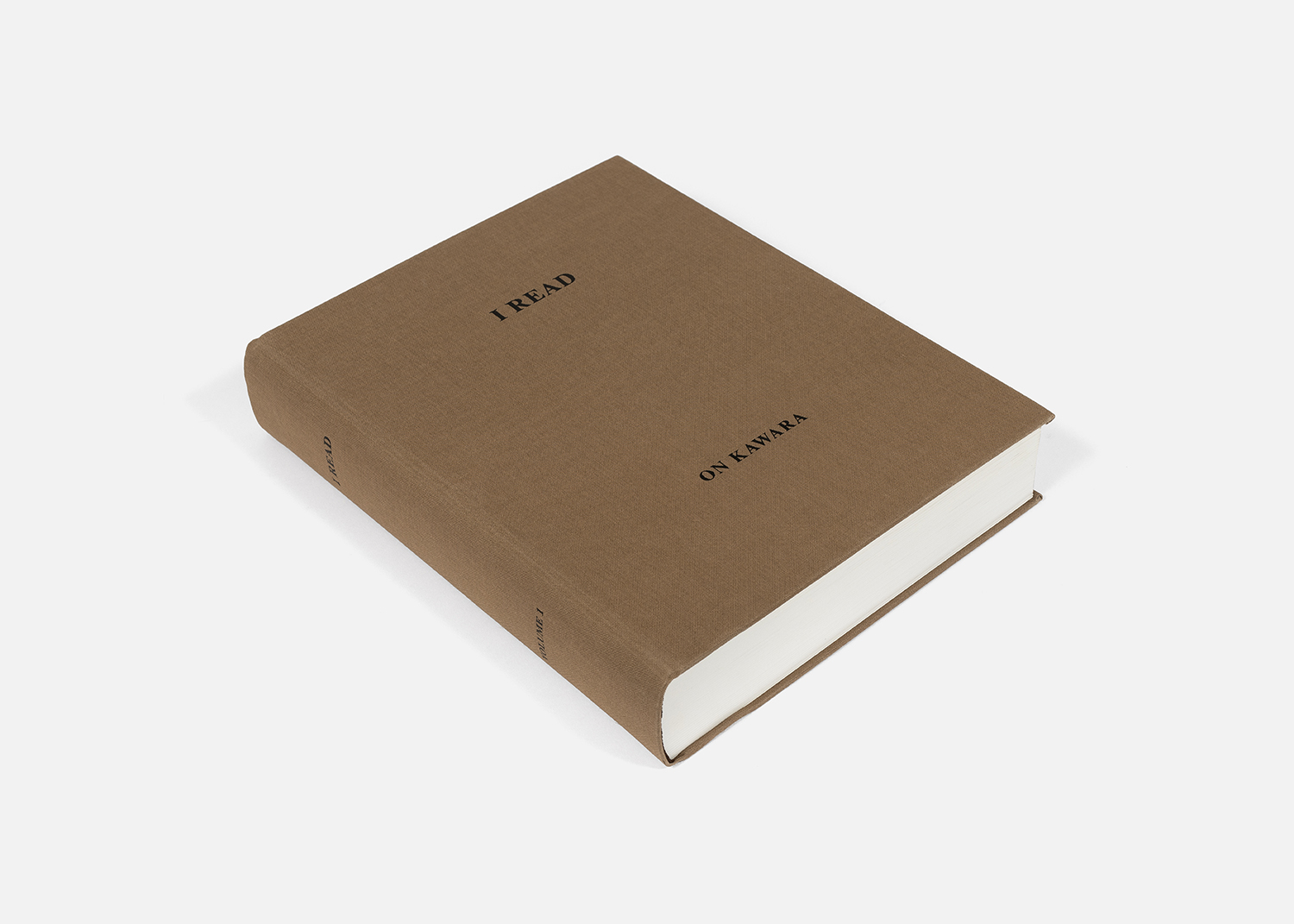
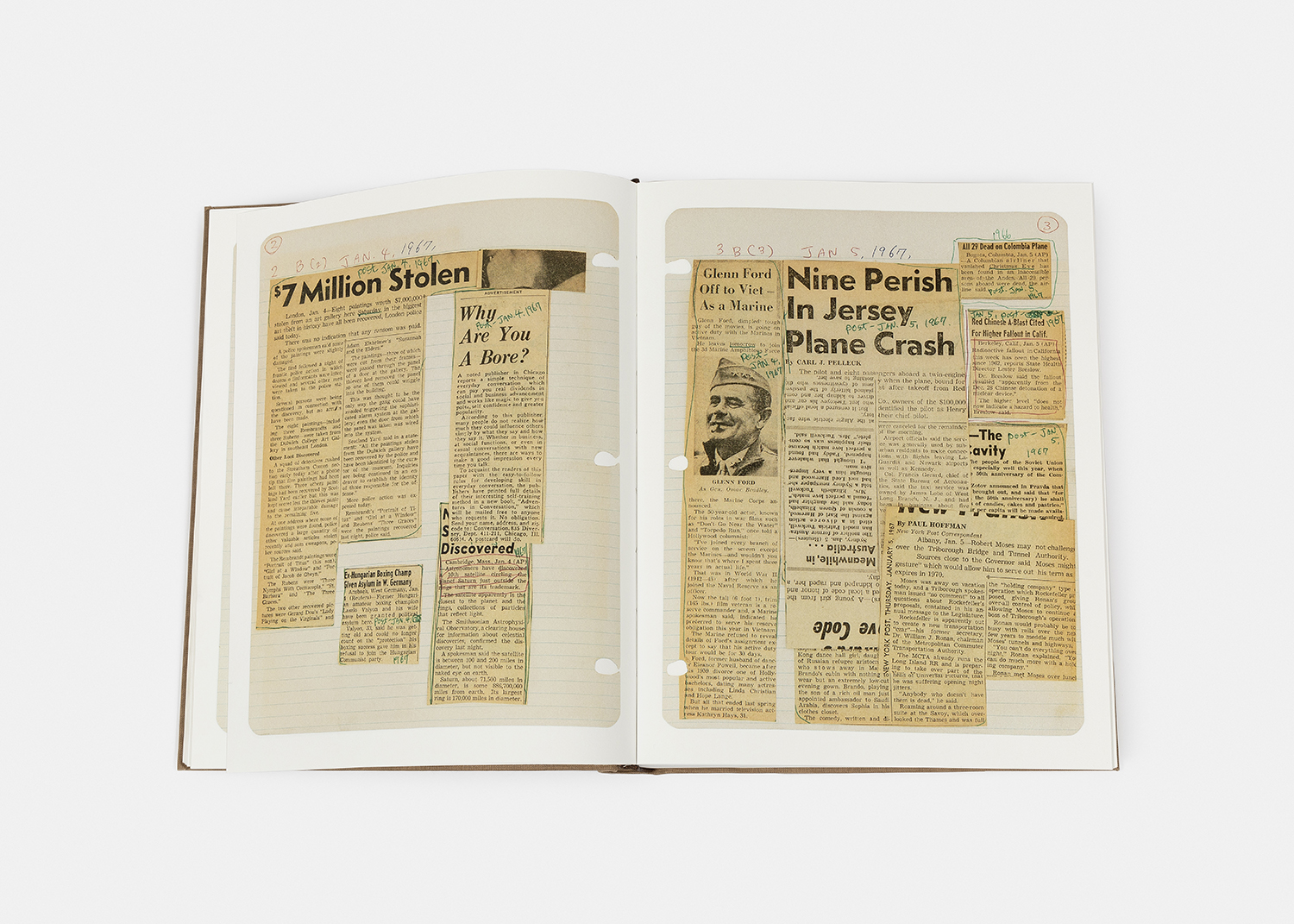
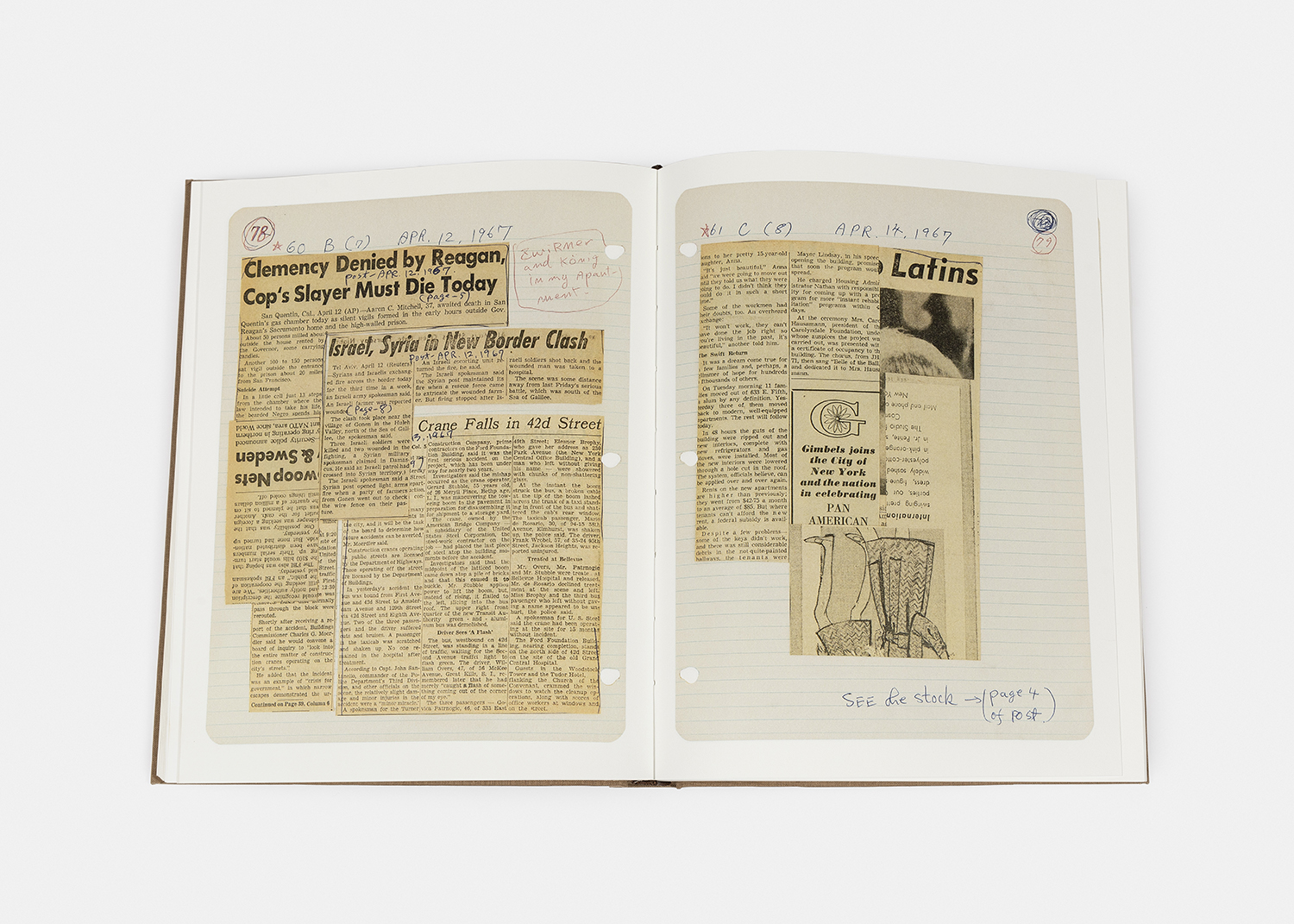
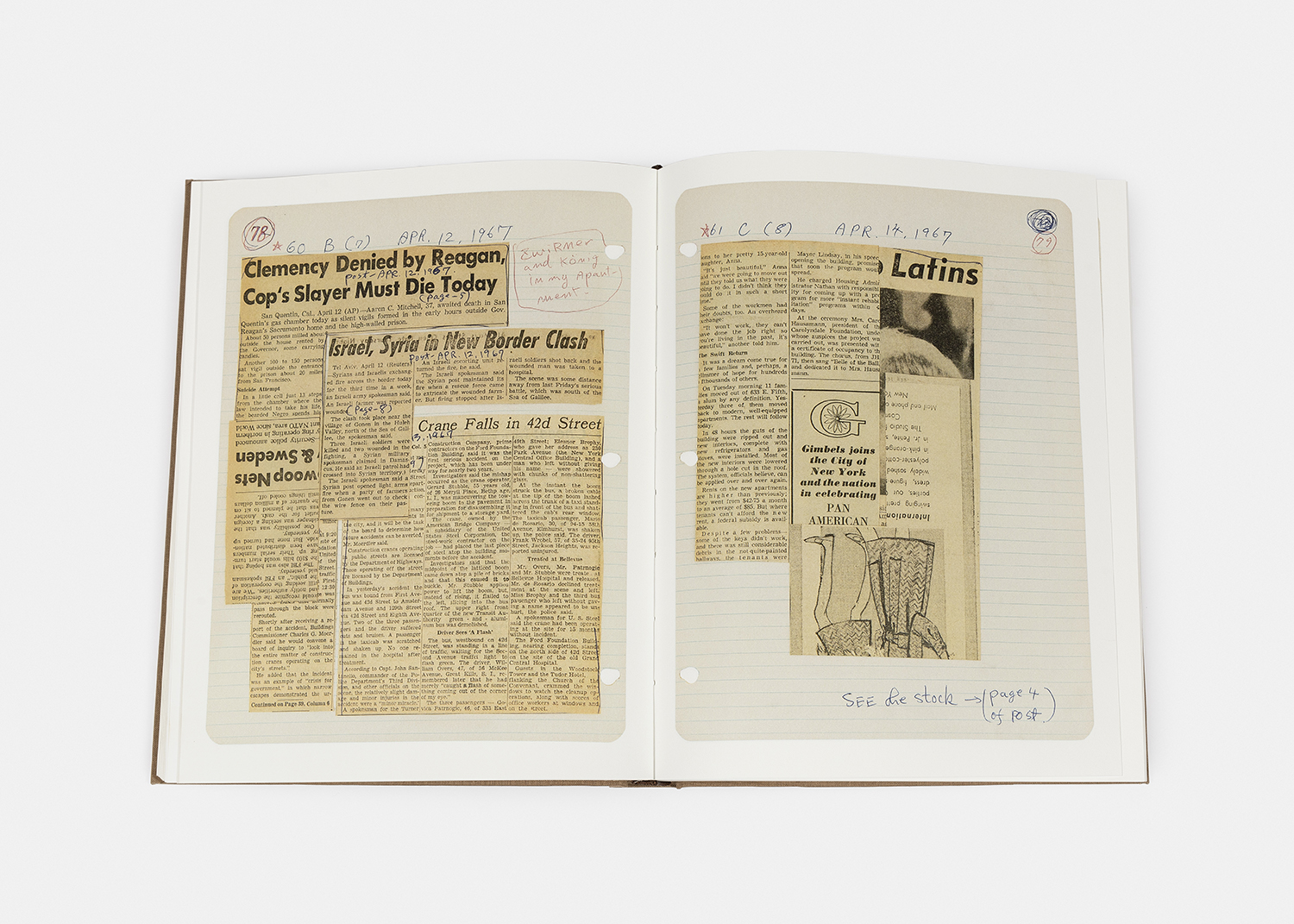
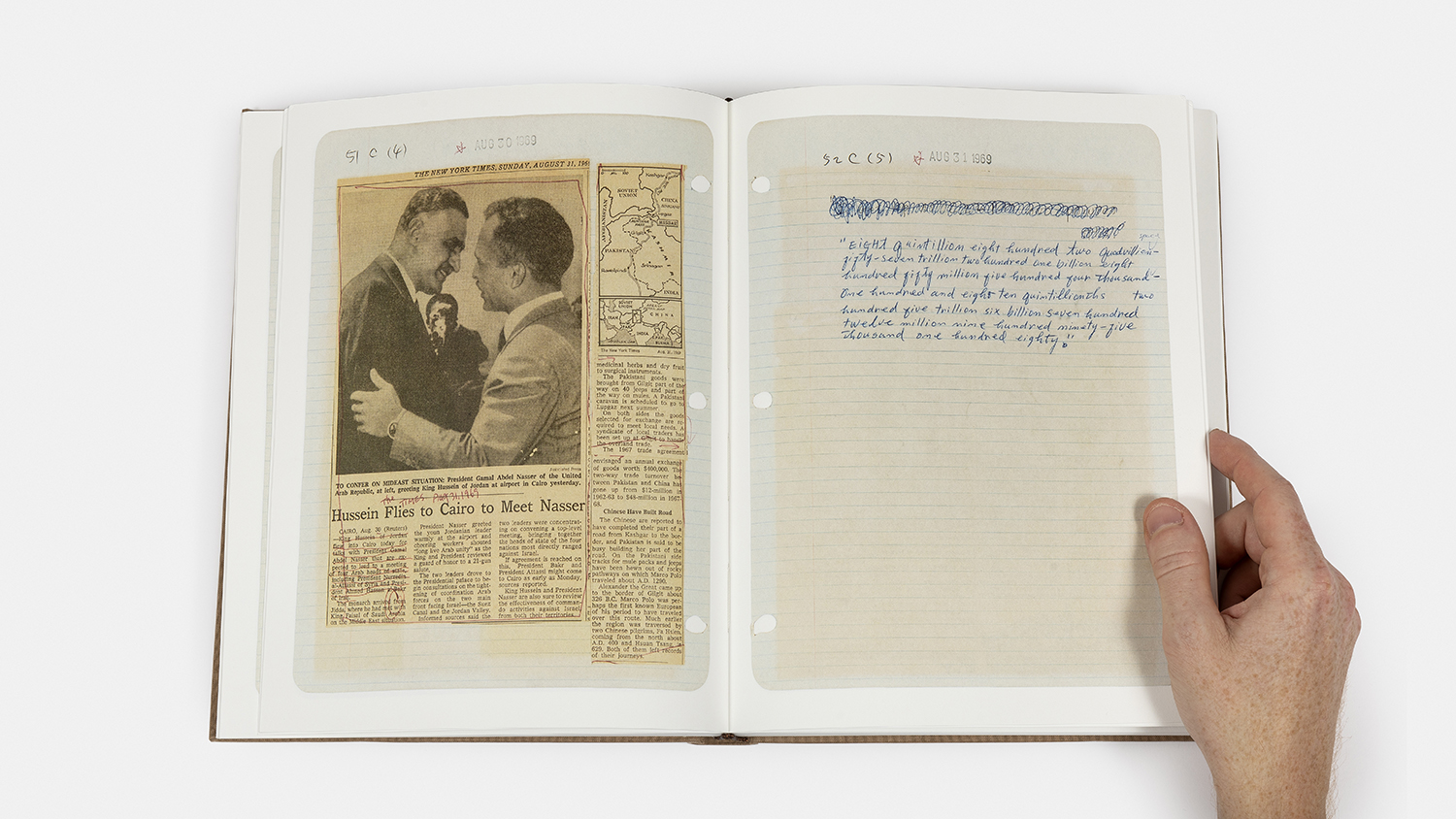
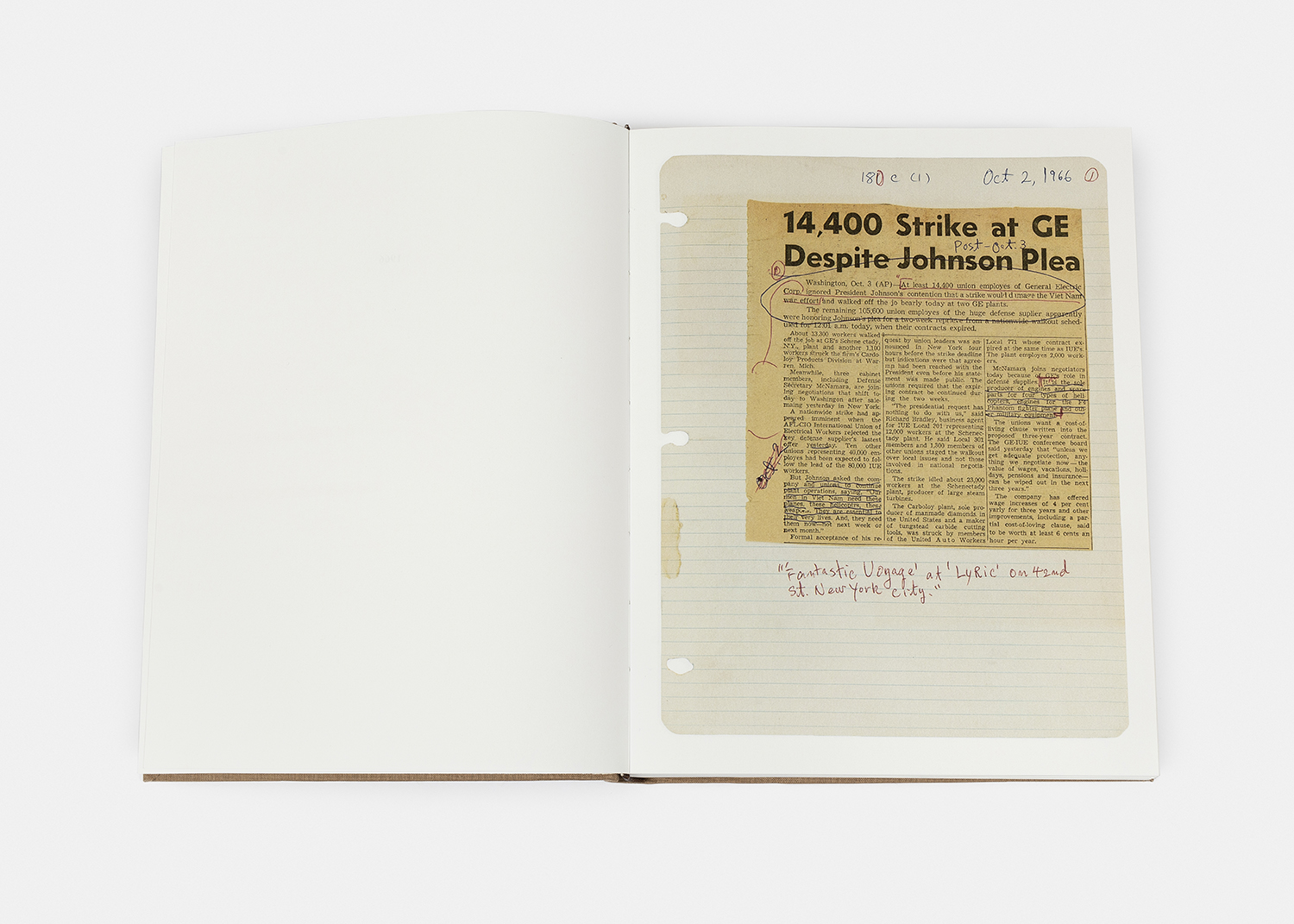
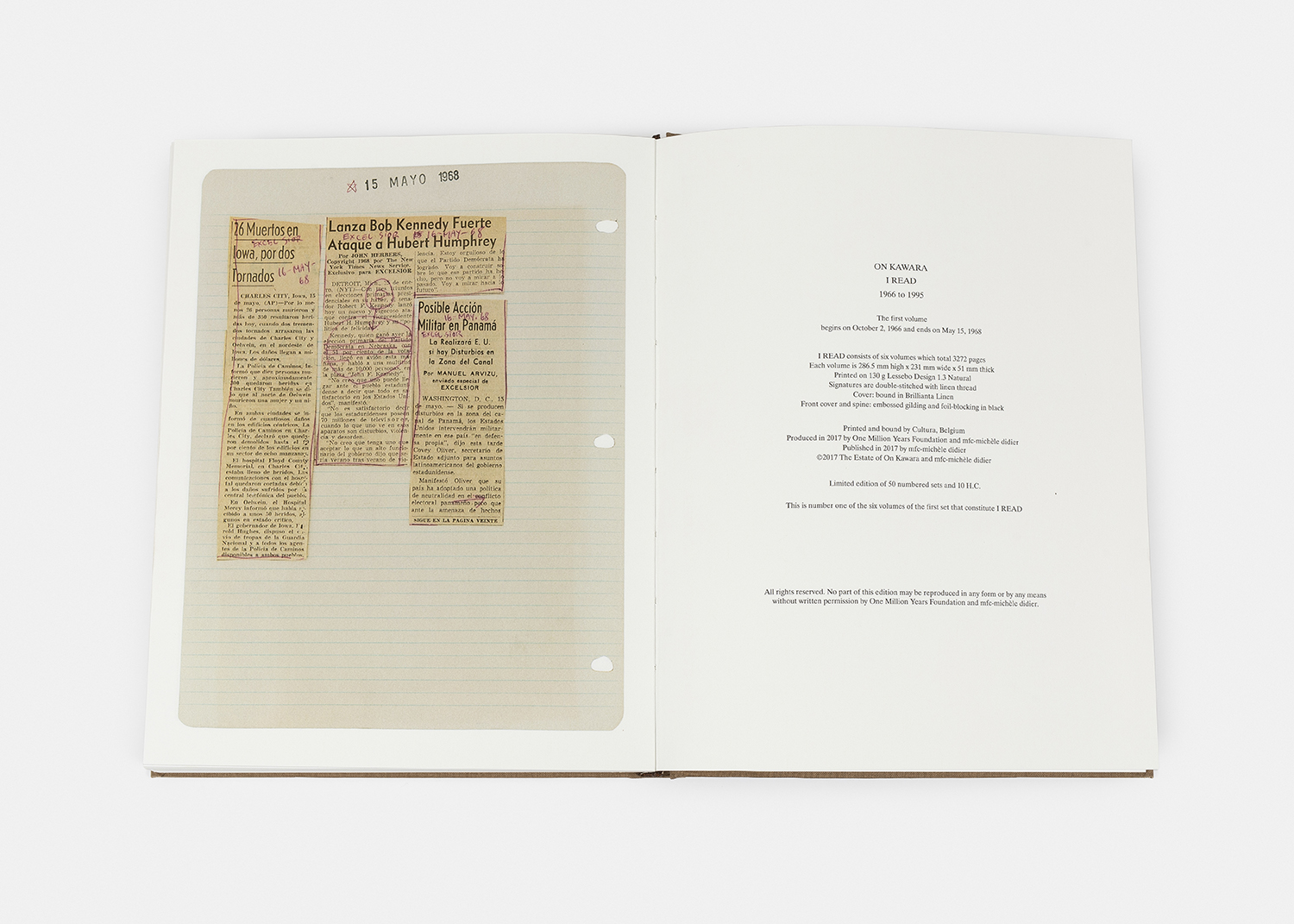
The same can be said of Something in a Box and its sixty-two sheets placed in a walnut box. On the first sheet we read an introduction to the 61 statements which are to follow. These, however make a bid to define something whose nature we will apparently never be able to fathom. Robert Barry?s serial and systematic research, made manifest in Somethings that? and Something in a Box, is brought into dialogue with On Kawara?s inventories. In his trilogy comprising I MET, I WENT and I GOT UP, On Kawara shares his efforts to archive the personal in an extreme manner. An impressive quantity of information as well as sheer precision and daily discipline were instrumental to Kawara for the twelve years during which he created these three works. The names of each person the artist spoke to between May 10th 1968 and September 17th 1979 (I MET), the retranscription of itineraries onto maps from visited places (I WENT) and the daily sending of postcards bearing witness to his geographical location (I GOT UP) create what we might call a poetry of the moment. This same vein of poetry can be observed in the artist?s posthumous work, I READ. This piece ? shown for the first time at the IFPDA ? is made up of six volumes. On Kawara has carefully affixed, annotated and dated press cuttings to each one of the 3272 pages of lined paper, juxtaposing or overlaying articles from numerous daily newspapers, the date being the only common factor to the selected columns. Sometimes, the newspapers are late by one or several days if we are to look at the date heading the pages of I READ. This is because he would have completed a Date Painting on that day instead. I READ is thus directly linked to Today Series and each page acts as a mirror to a Date Painting. The artist?s interest in international affairs as well as his consistent ?pictural? activities are revealed in these works.
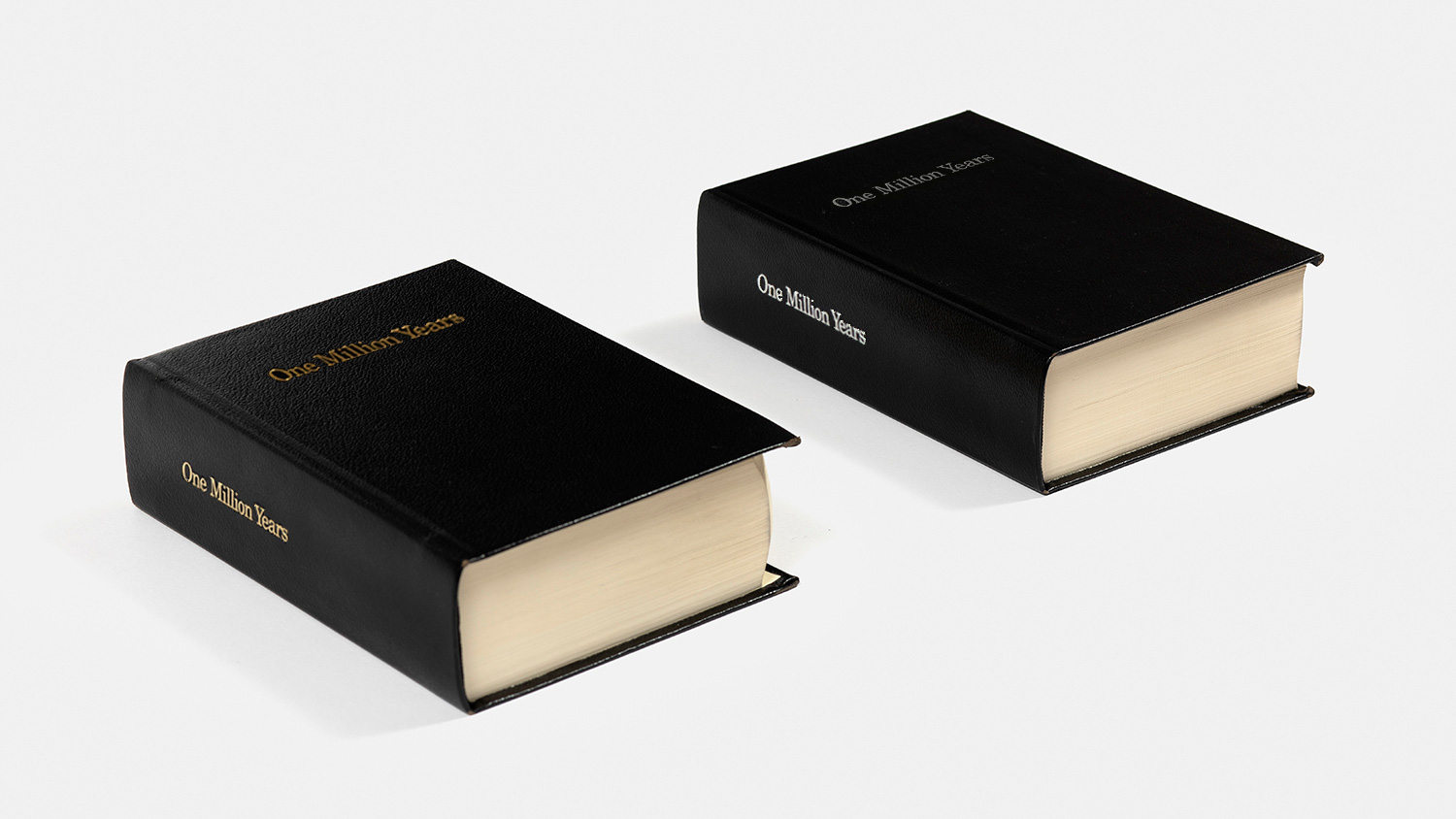
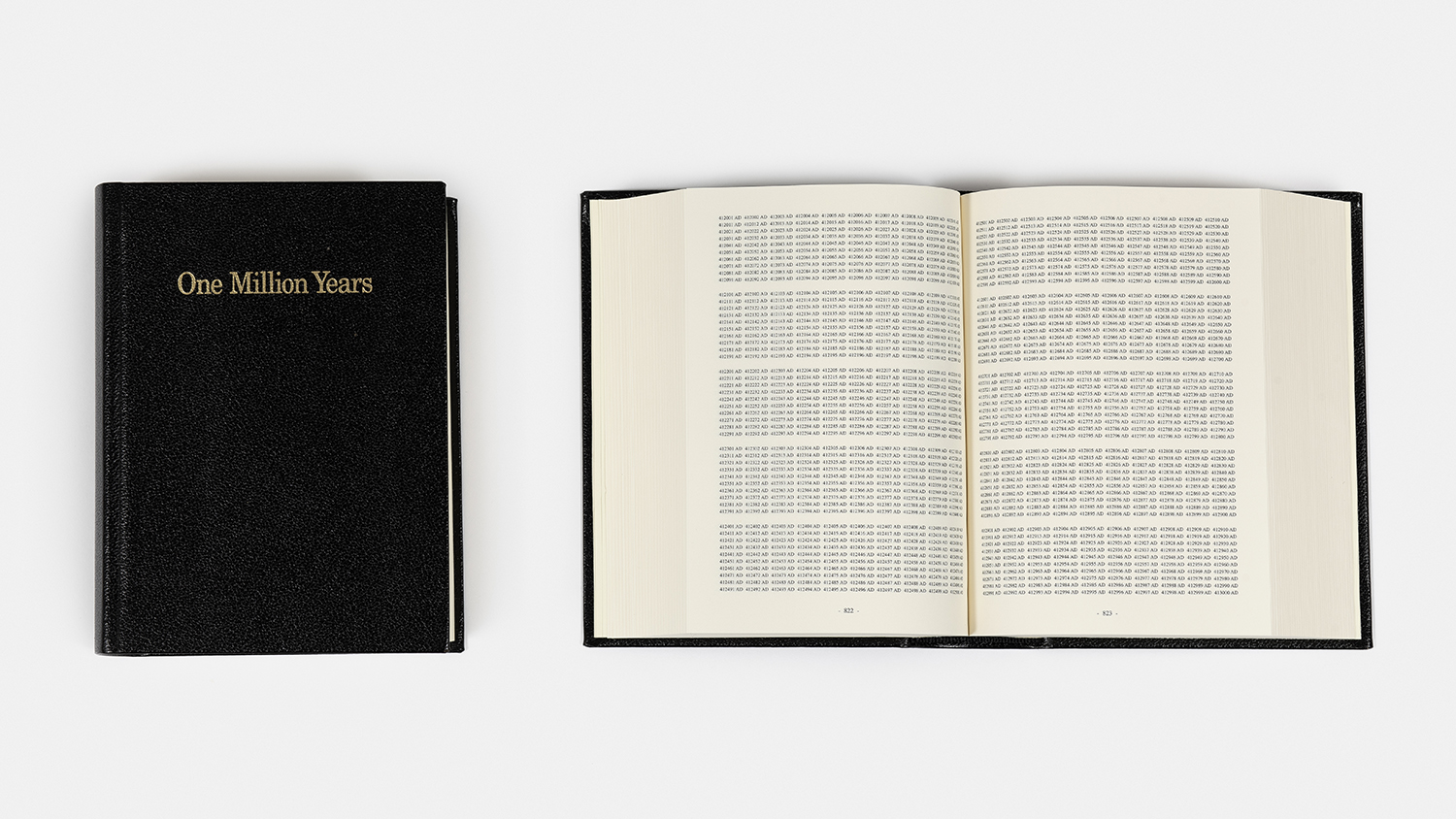
On Kawara?s renowned piece, One Million Years, will also be prominently placed within mfc-michèle didier?s stand. The visitors to the IFPDA will have the pleasure of seeing (perhaps not for the first time) this two-volume book project that resembles a musical score: the piece uses ten strictly aligned columns which are in turn subdivided into ten lines, each representing a decade.
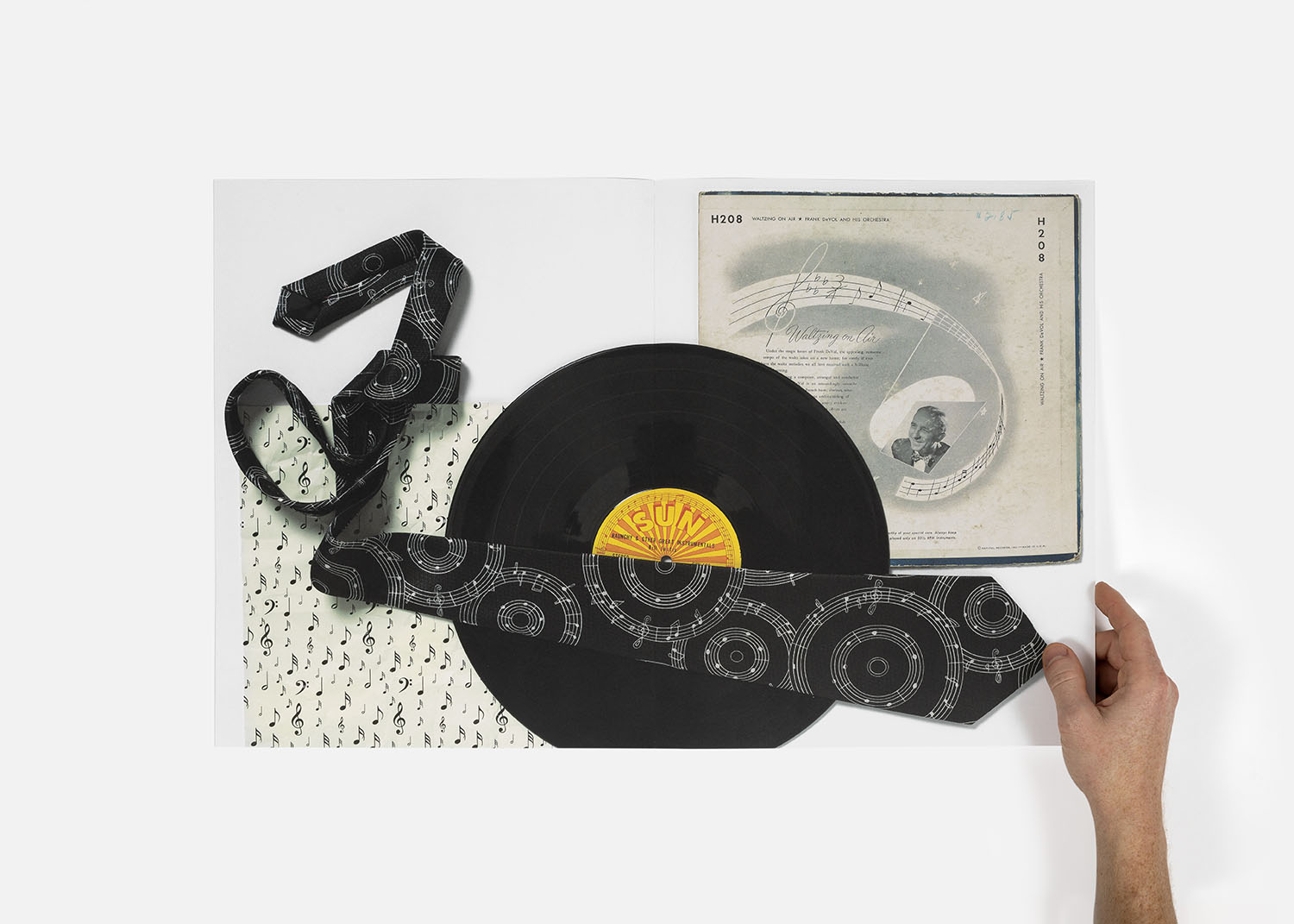
In a musical echo to On Kawara?s inventories, the twenty-eight folios of Christian Marclay?s Ephemera will also be present. These can be seen as the result of a decade-long accumulation of decorative, eclectic musical notes and scores gleaned from various sources (advertisements, illustrations, menus, candy packets, etc.). These come together to create a visual and potentially musical score, as Ephemera was originally conceived to be played by musicians.
IFPDA PRINT FAIR 2017
October 26-29, 2017
New York, USA
Since 1987, mfc-michèle didier has been a figurehead as producer and publisher of unique works with a longstanding interest in American conceptual art, collaborating extensively on exceptional projects which fall under the historical category of artists? books.
For the 2017 edition of IFPDA - Fine Art Print Fair, mfc-michèle didier will show a selection of works from four major artists: Robert Barry, Mel Bochner, On Kawara and Christian Marclay.
In the same manner as many of their contemporaries, these four artists question the book as an object and, in a broader sense, the forms which can be derived from it. They have continuously experimented with textual and visual material, cutting loose from conventional practices and common methods. Their approach is one of strong commitment, which they lay claim to and steadily nourish with new productions.
On the occasion of the IFPDA, mfc-michèle didier will present Mel Bochner?s Singer Notes, 1968, a facsimile of the original Singer Notes folder bringing together each note and sketch put on paper by Bochner during sessions shared with researchers and engineers at the Singer Corporation as part of his participation in E.A.T. (Experiments in Art and Technology). This programme hinged upon the research and development of new information technologies in the industrial sector, and although Bochner?s bi-weekly sessions didn?t allow him to grasp the entirety of the issues at stake (which were of course too far-reaching), he instead developed a way to mark out their limits: measuring. Upon returning to his studio, Bochner began taking the measures of his walls, bringing forth the series entitled Measurements. Singer Notes traces out the evolution of Bochner?s artistic thought process from its state as inchoate, nebulous manuscript to the methodic and precise (if not to say determining) gesture of measuring.
Mel Bochner?s handwritten notes can be easily compared to those typed by Robert Barry entitled Somethings that? (2016). Following his own compositional method devised in 1969, Barry has created a collection of twenty-four sets, each made up of three parts, which respectively contain a statement. The two primary statements are repeated in each set, whereas the third is one of twenty-four possibilities, creating just as many possible combinations. A selection of sets from this work will be shown on one side of the stand, and will shed light upon the importance of language in Robert Barry?s artistic production. While using, playing with, staging and questioning words, the statements from Somethings that? are unique in that they never conjure up an image. Although the combinations of words hold meaning and are grammatically correct, no visual transcription arises in the reader?s mind: the thought remains textual and evolves as such.
The same can be said of Something in a Box and its sixty-two sheets placed in a walnut box. On the first sheet we read an introduction to the 61 statements which are to follow. These, however make a bid to define something whose nature we will apparently never be able to fathom. Robert Barry?s serial and systematic research, made manifest in Somethings that? and Something in a Box, is brought into dialogue with On Kawara?s inventories. In his trilogy comprising I MET, I WENT and I GOT UP, On Kawara shares his efforts to archive the personal in an extreme manner. An impressive quantity of information as well as sheer precision and daily discipline were instrumental to Kawara for the twelve years during which he created these three works. The names of each person the artist spoke to between May 10th 1968 and September 17th 1979 (I MET), the retranscription of itineraries onto maps from visited places (I WENT) and the daily sending of postcards bearing witness to his geographical location (I GOT UP) create what we might call a poetry of the moment. This same vein of poetry can be observed in the artist?s posthumous work, I READ. This piece ? shown for the first time at the IFPDA ? is made up of six volumes. On Kawara has carefully affixed, annotated and dated press cuttings to each one of the 3272 pages of lined paper, juxtaposing or overlaying articles from numerous daily newspapers, the date being the only common factor to the selected columns. Sometimes, the newspapers are late by one or several days if we are to look at the date heading the pages of I READ. This is because he would have completed a Date Painting on that day instead. I READ is thus directly linked to Today Series and each page acts as a mirror to a Date Painting. The artist?s interest in international affairs as well as his consistent ?pictural? activities are revealed in these works.
On Kawara?s renowned piece, One Million Years, will also be prominently placed within mfc-michèle didier?s stand. The visitors to the IFPDA will have the pleasure of seeing (perhaps not for the first time) this two-volume book project that resembles a musical score: the piece uses ten strictly aligned columns which are in turn subdivided into ten lines, each representing a decade.
In a musical echo to On Kawara?s inventories, the twenty-eight folios of Christian Marclay?s Ephemera will also be present. These can be seen as the result of a decade-long accumulation of decorative, eclectic musical notes and scores gleaned from various sources (advertisements, illustrations, menus, candy packets, etc.). These come together to create a visual and potentially musical score, as Ephemera was originally conceived to be played by musicians.
Exposed artworks
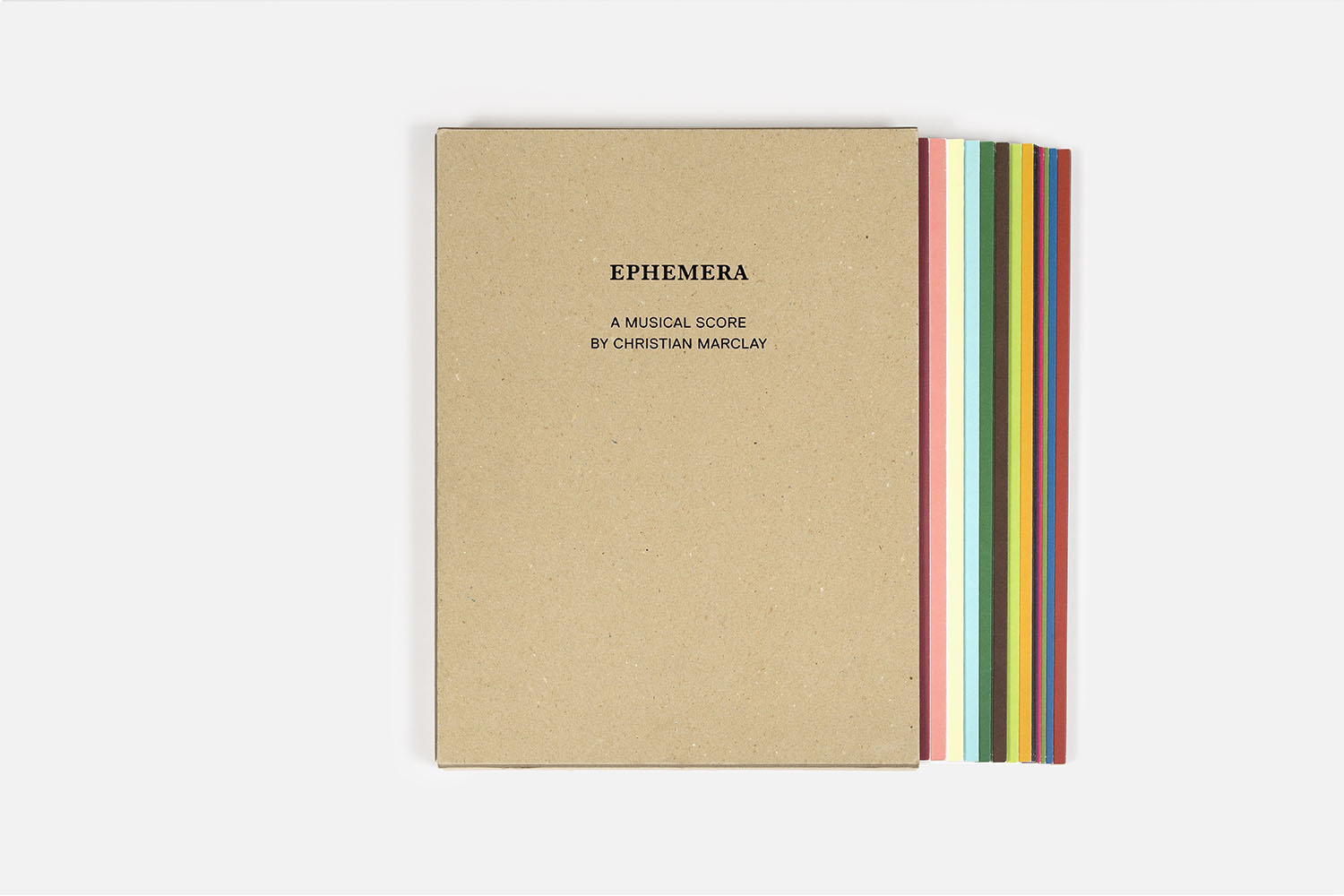
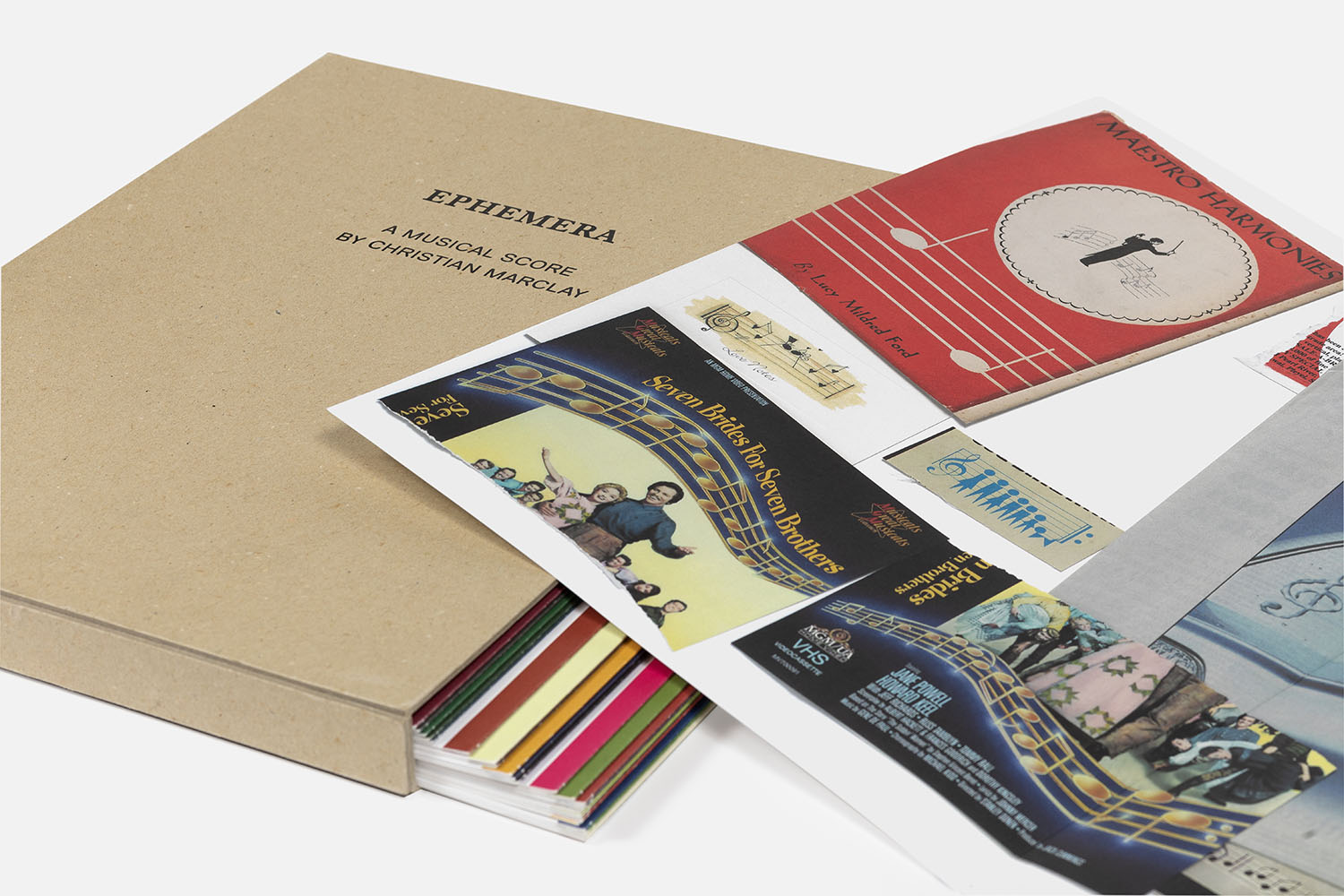
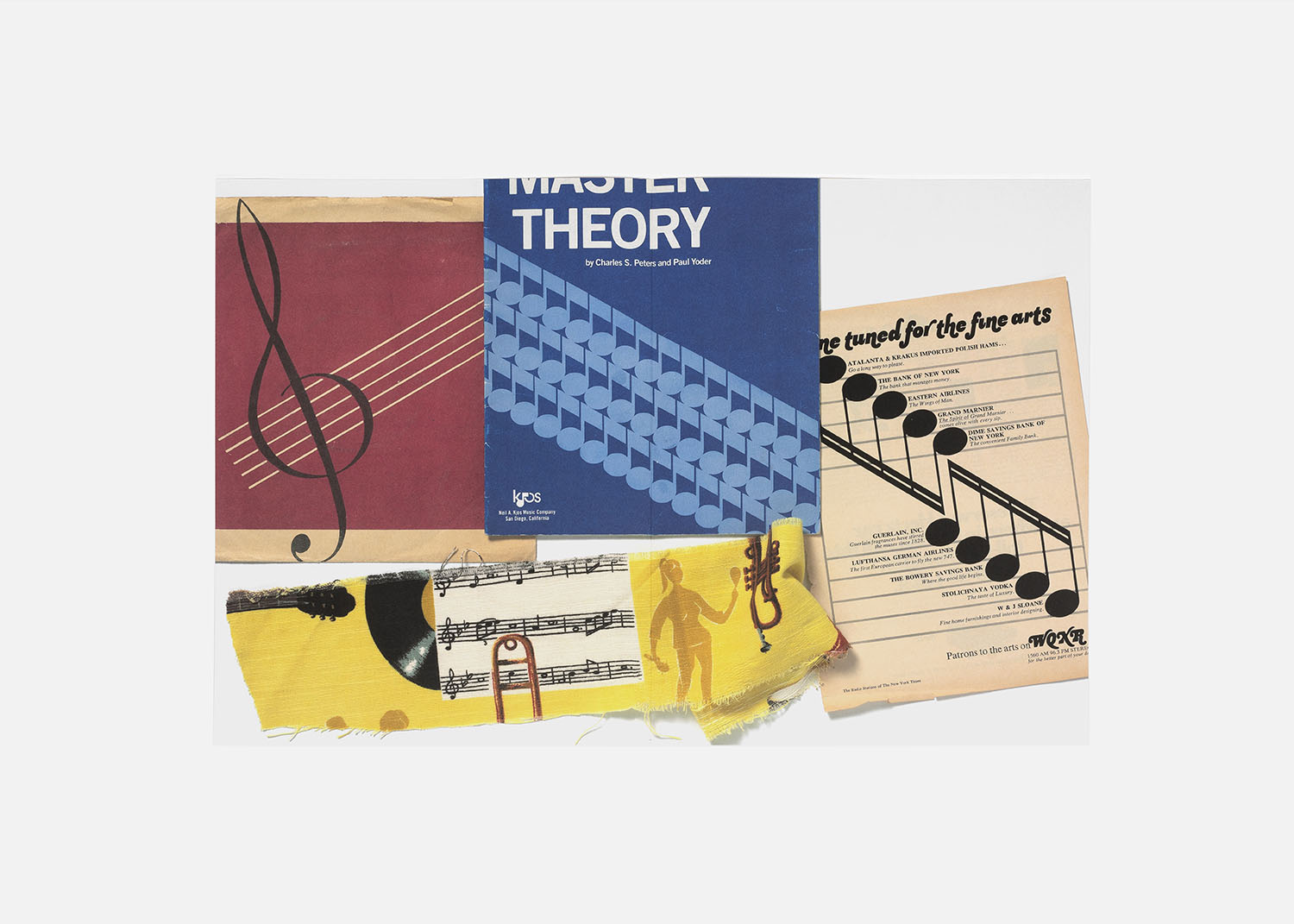
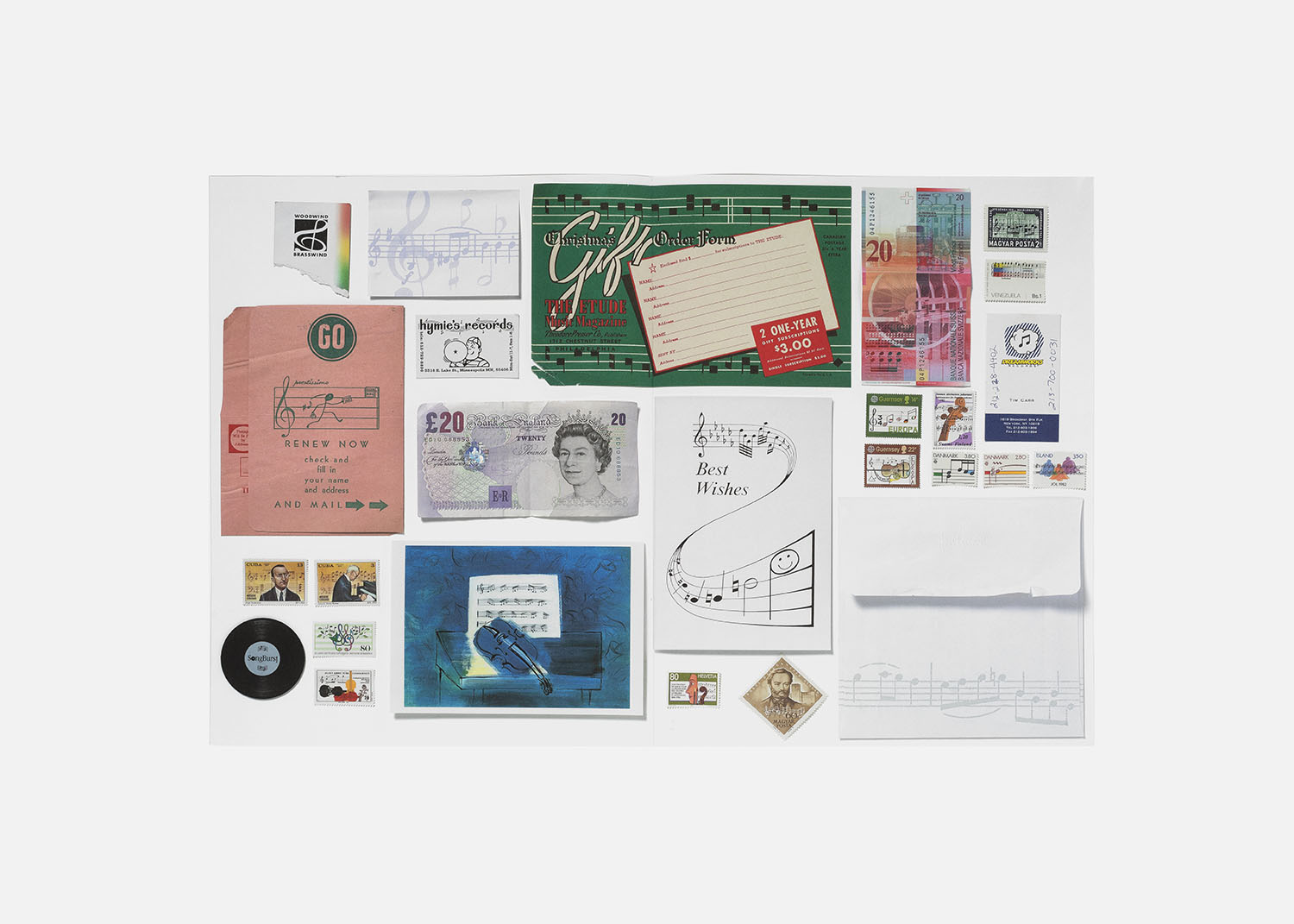
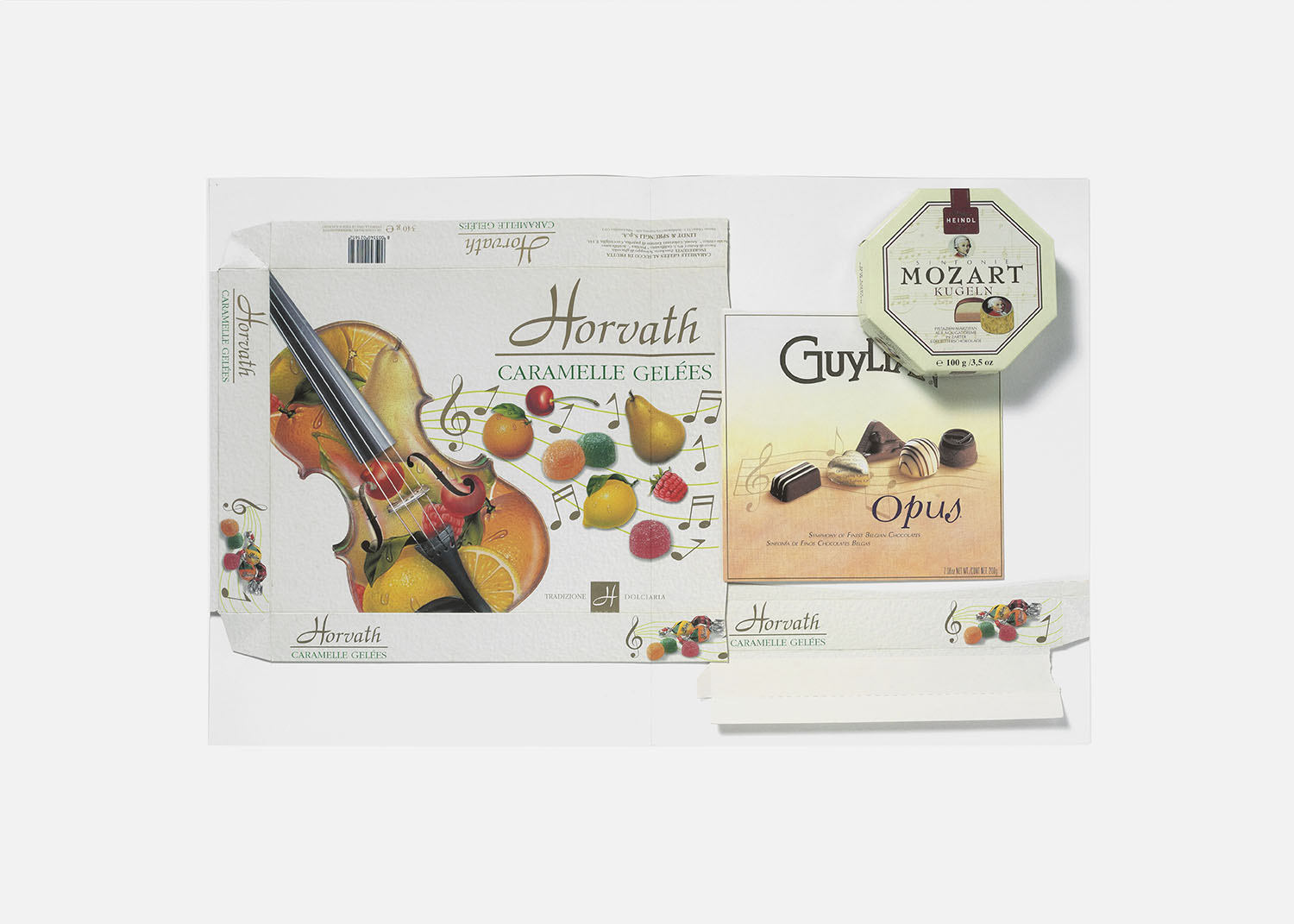
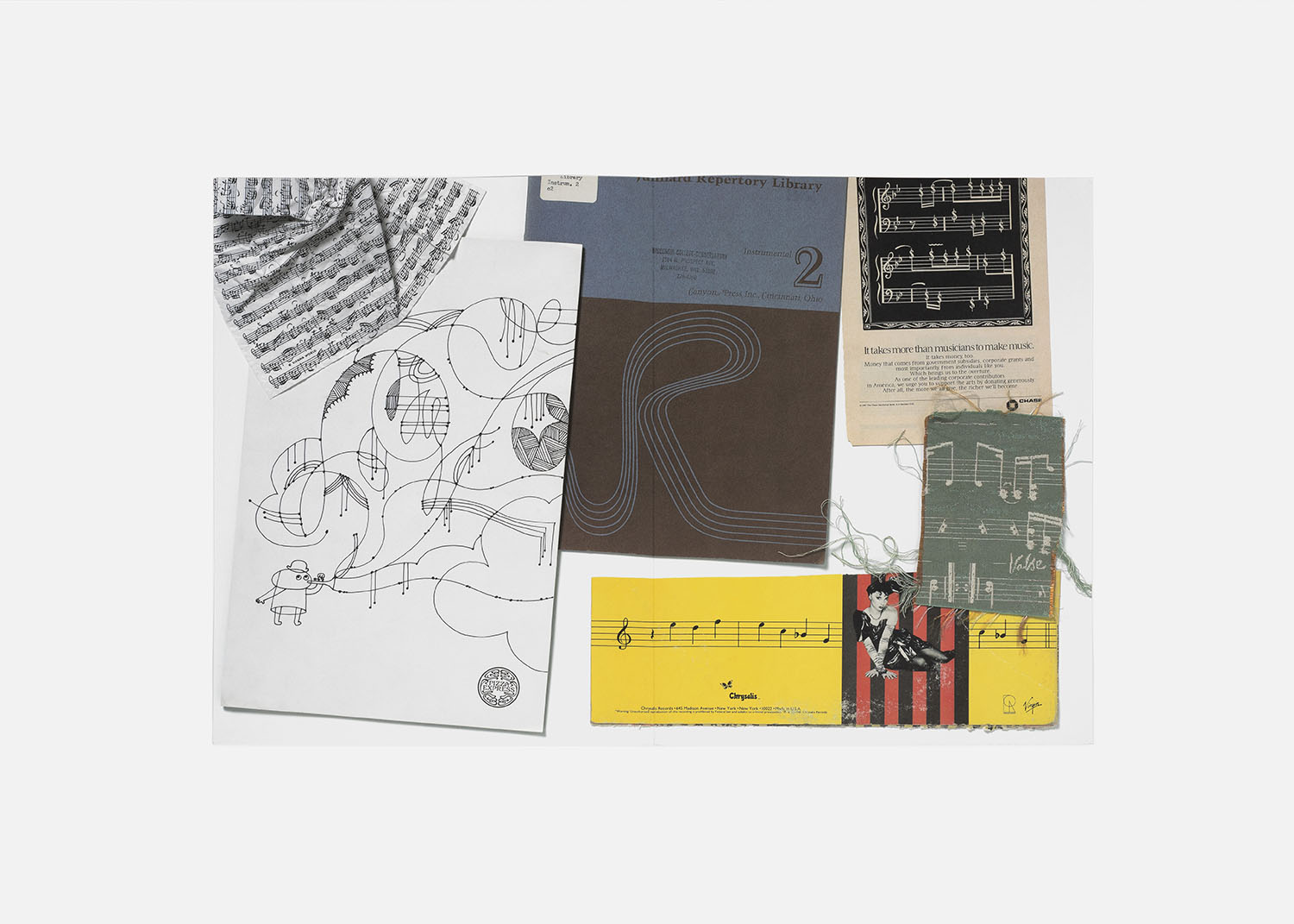
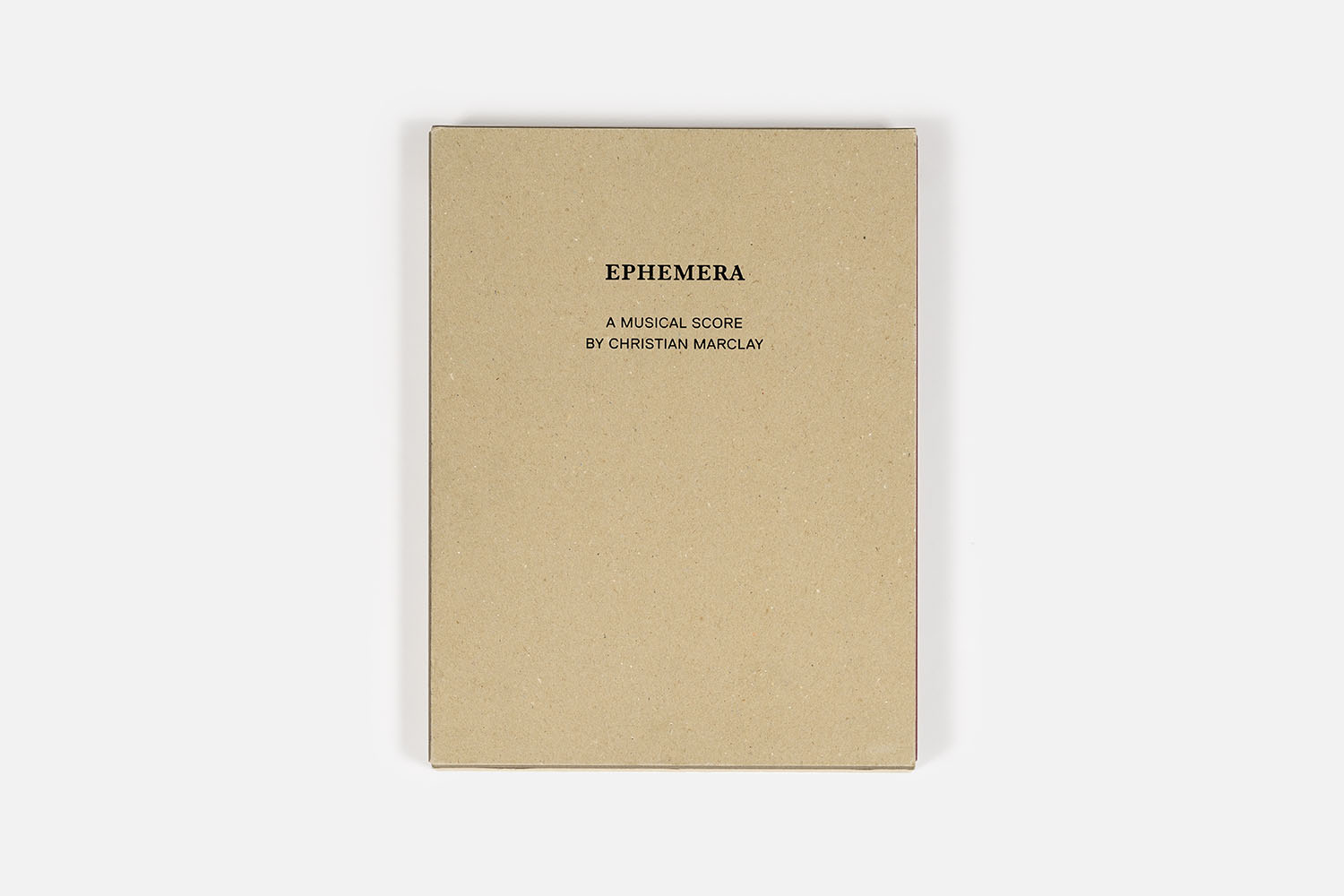
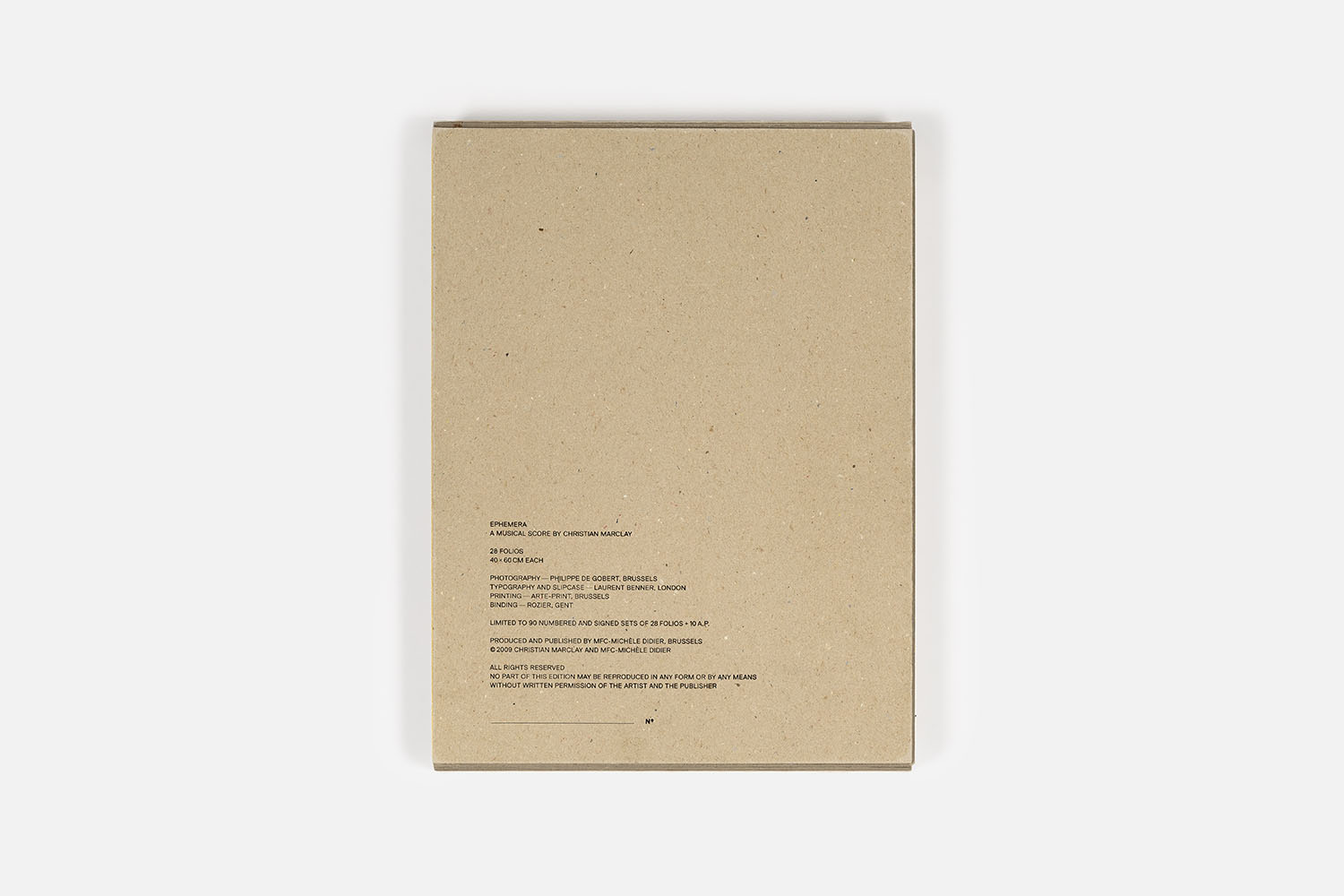
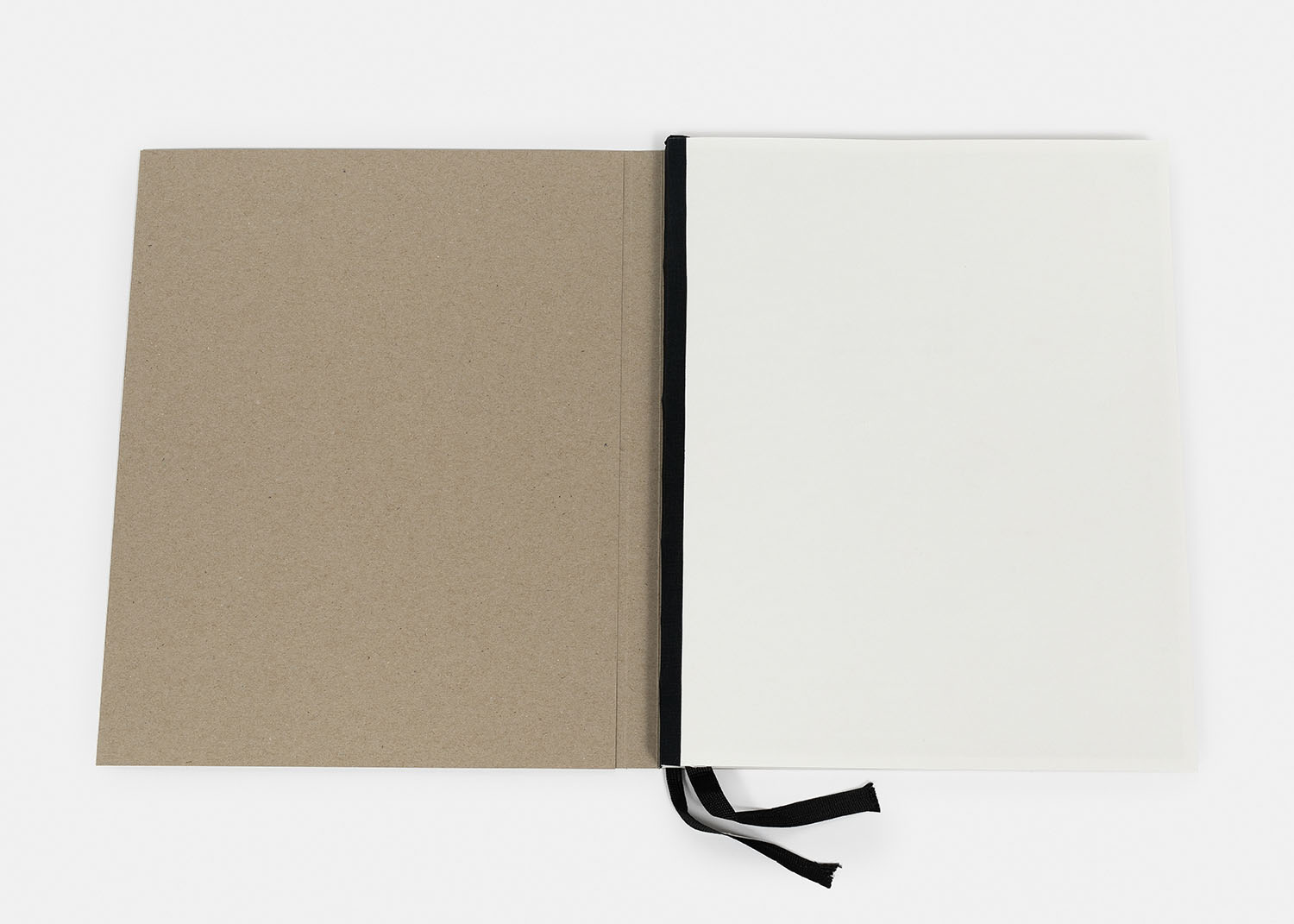
Grey cardboard slipcase. Contains 28 folios, each 40 x 60 cm
16.14 x 11.81 x 1.18 in ( 41 x 30,4 x 3,2 cm )

Book, 132 pages
9.84 x 7.87 x 0.39 in ( 25,8 x 20,5 x 1,4 cm )
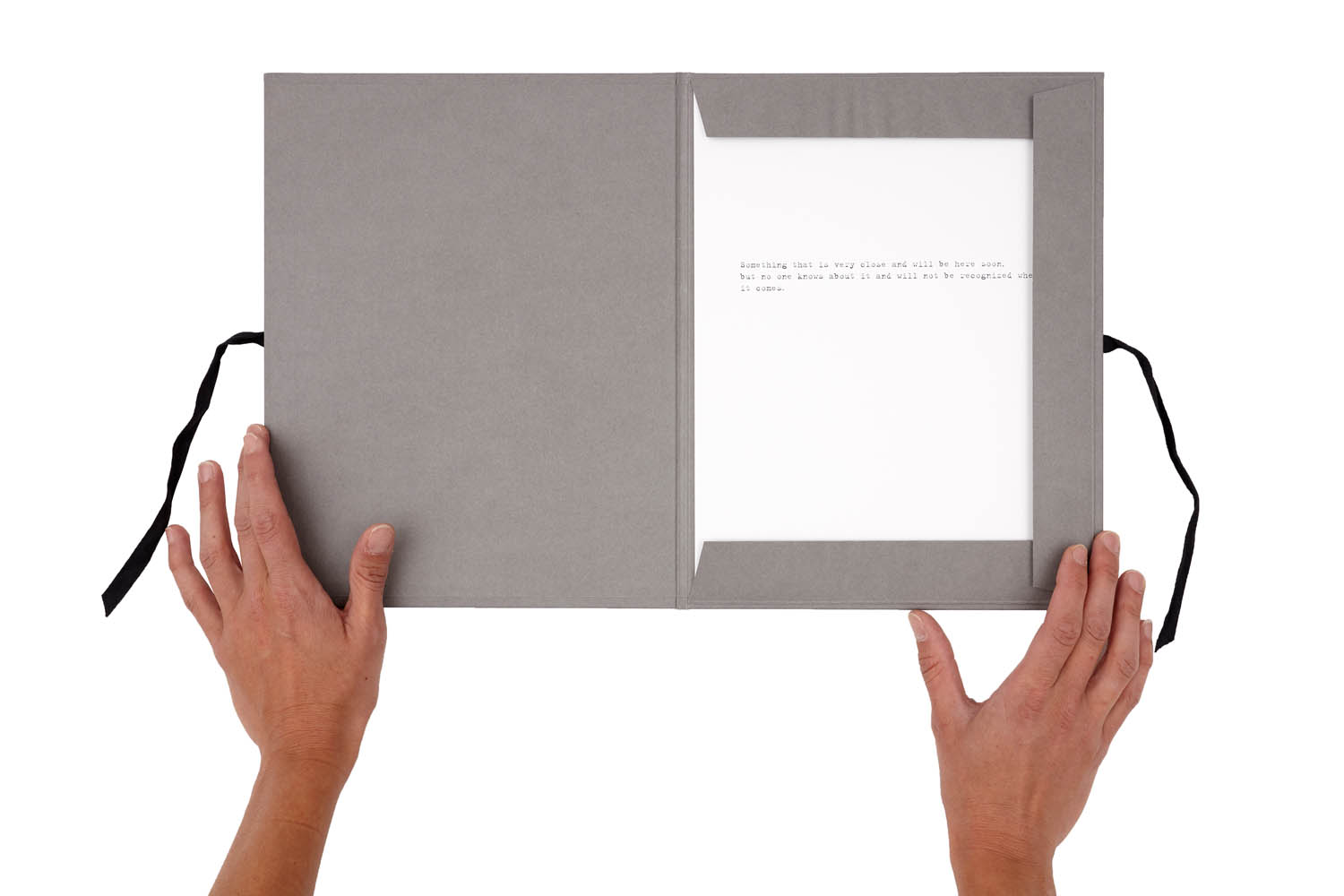
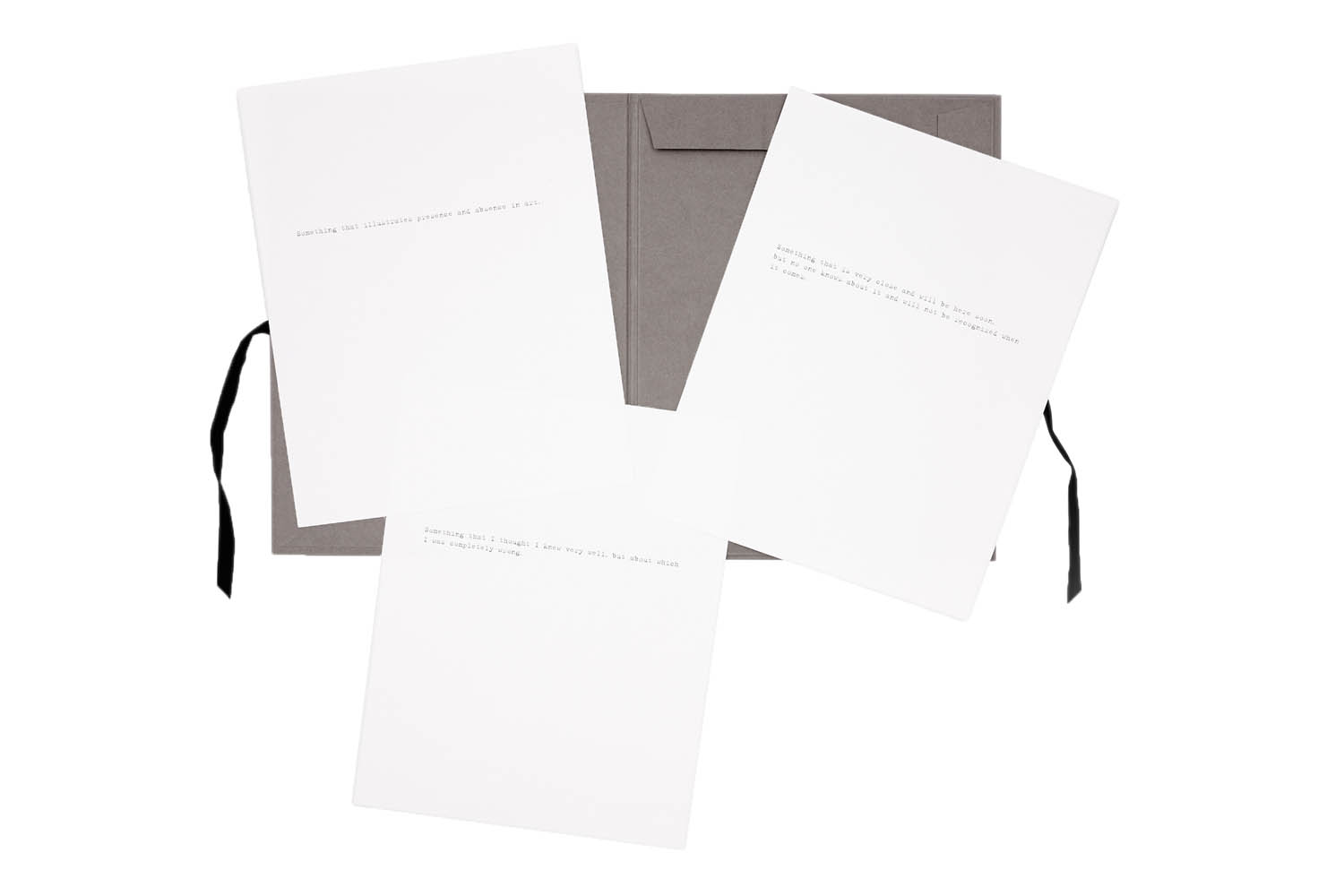
Set of three sheets of paper in its portfolio
11.02 x 8.27 in ( 28 x 21,5 cm )
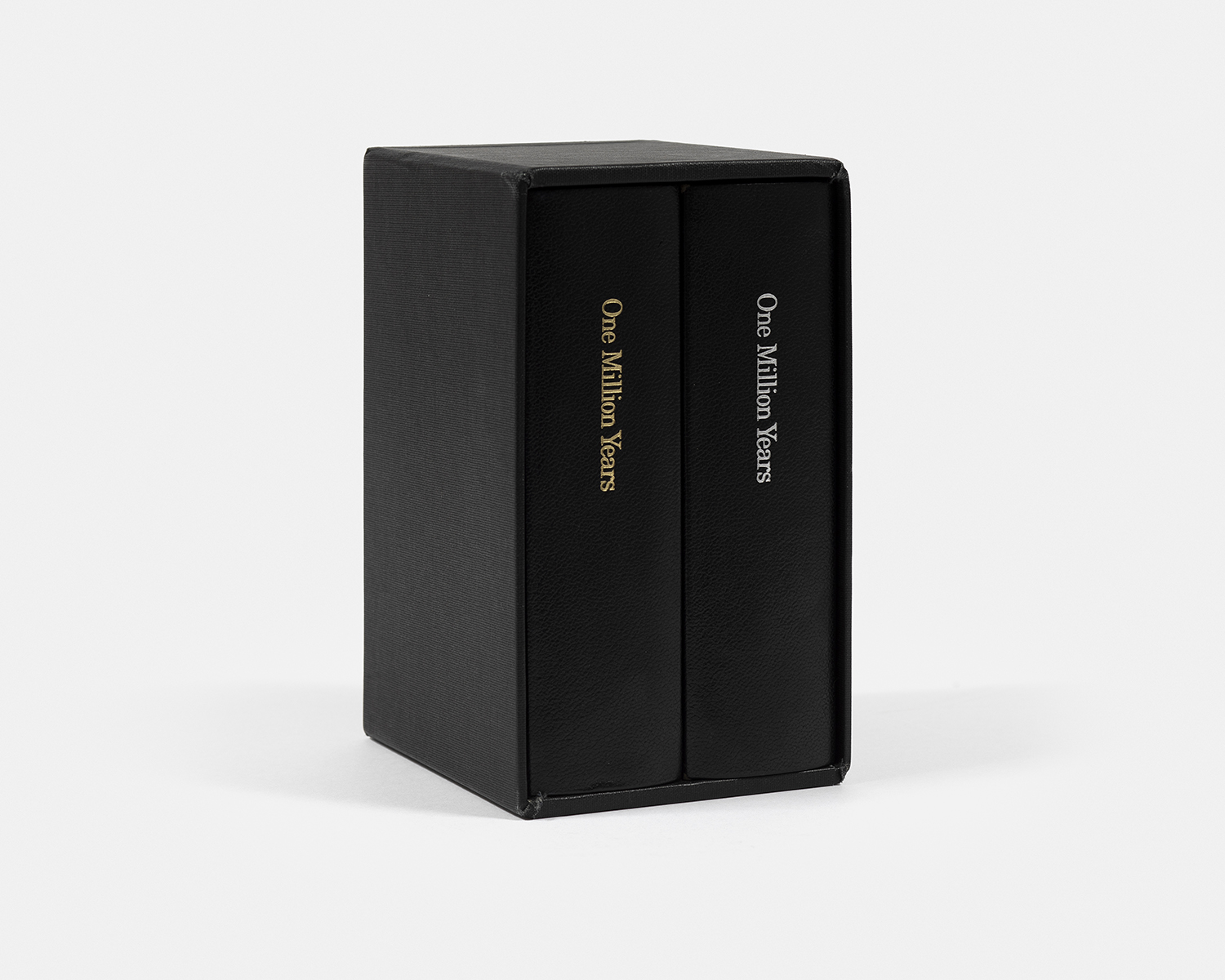
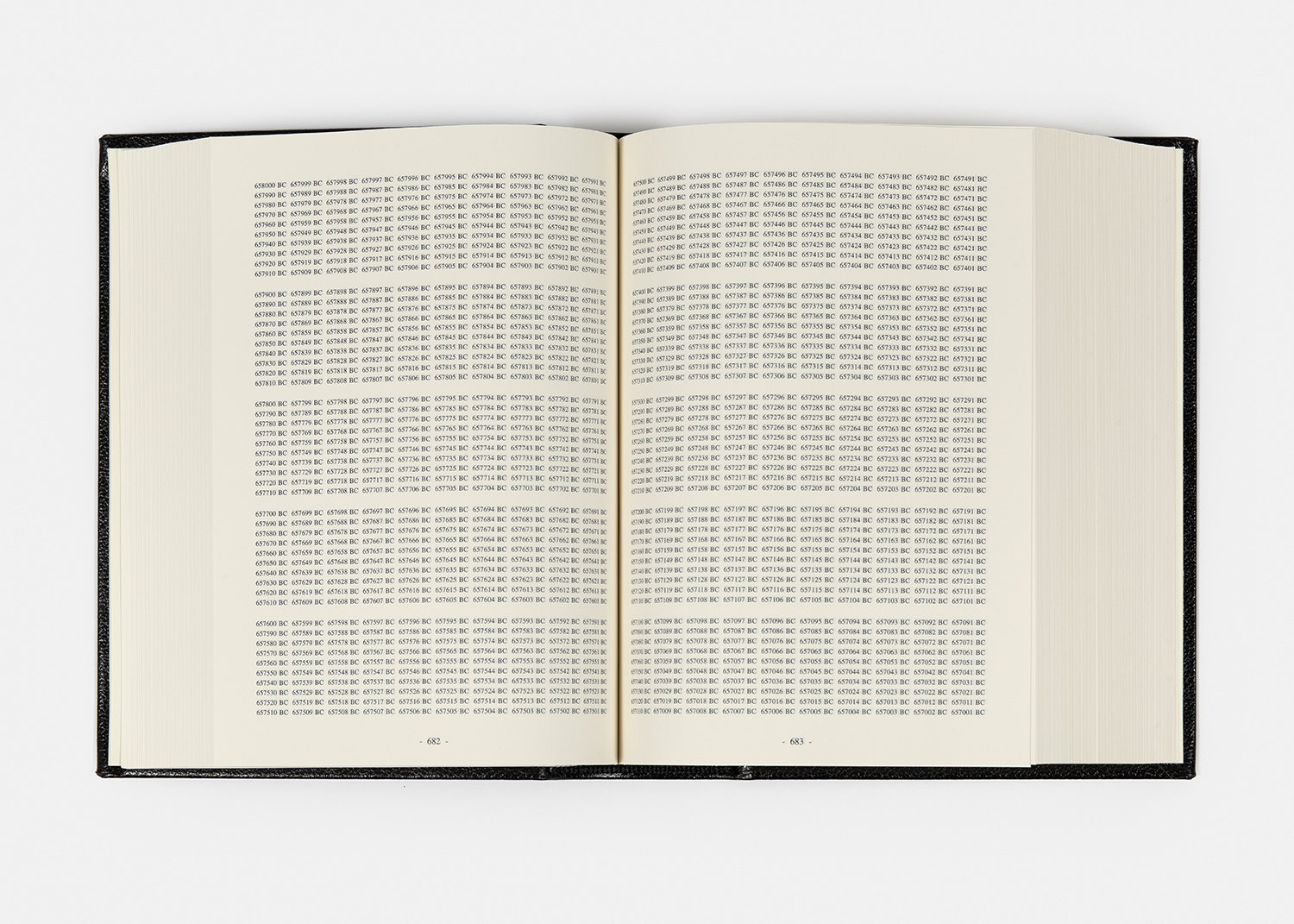
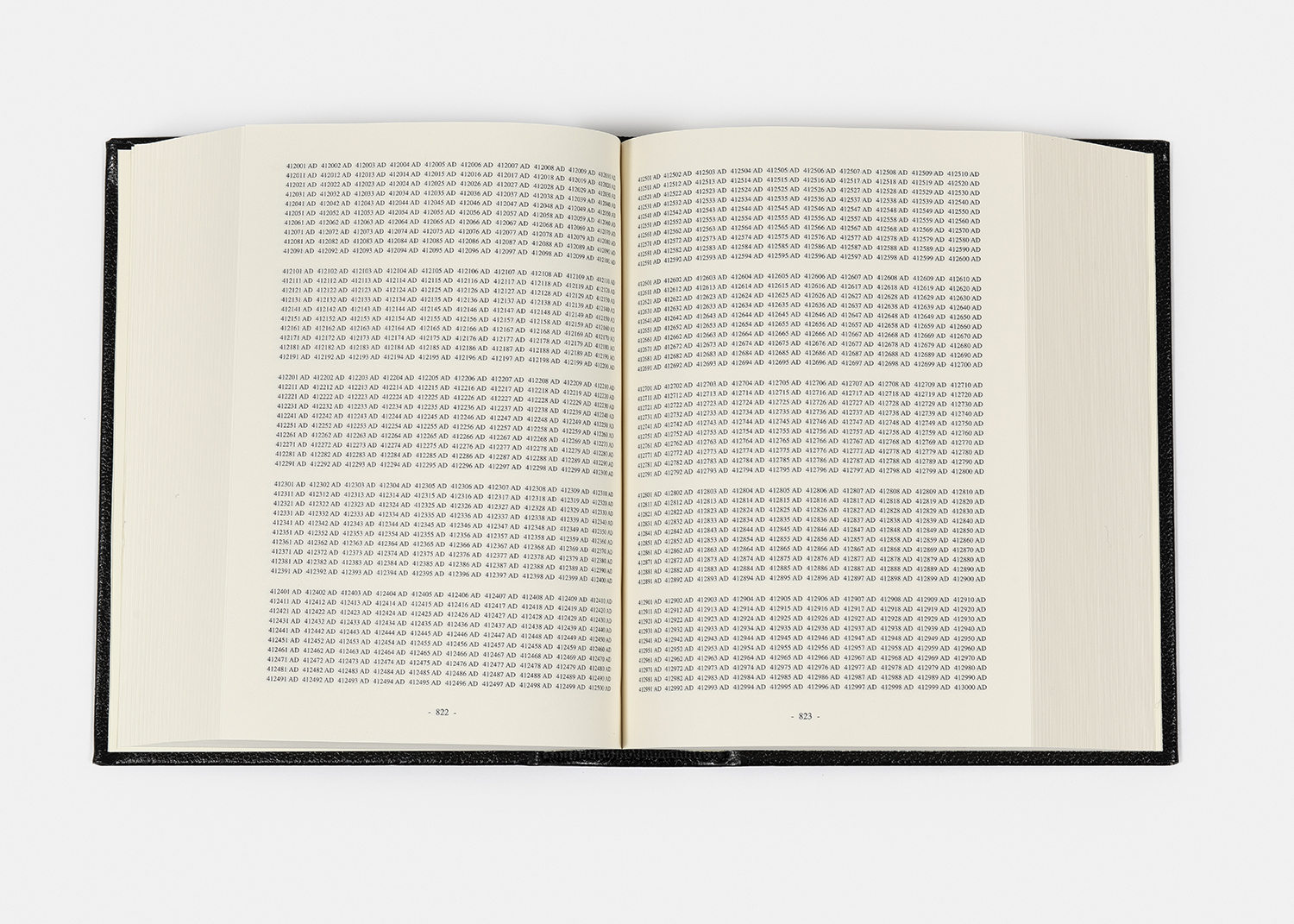
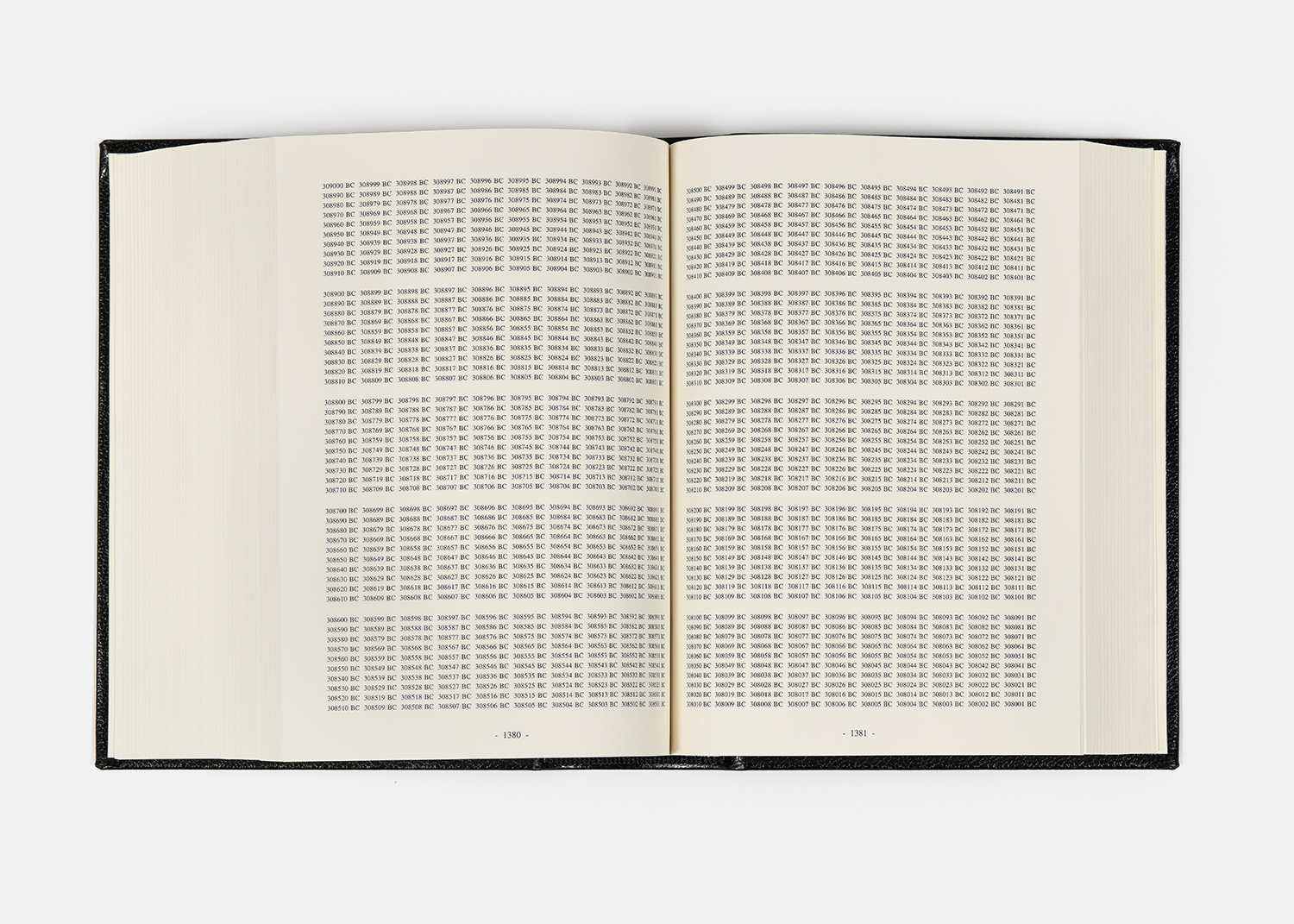
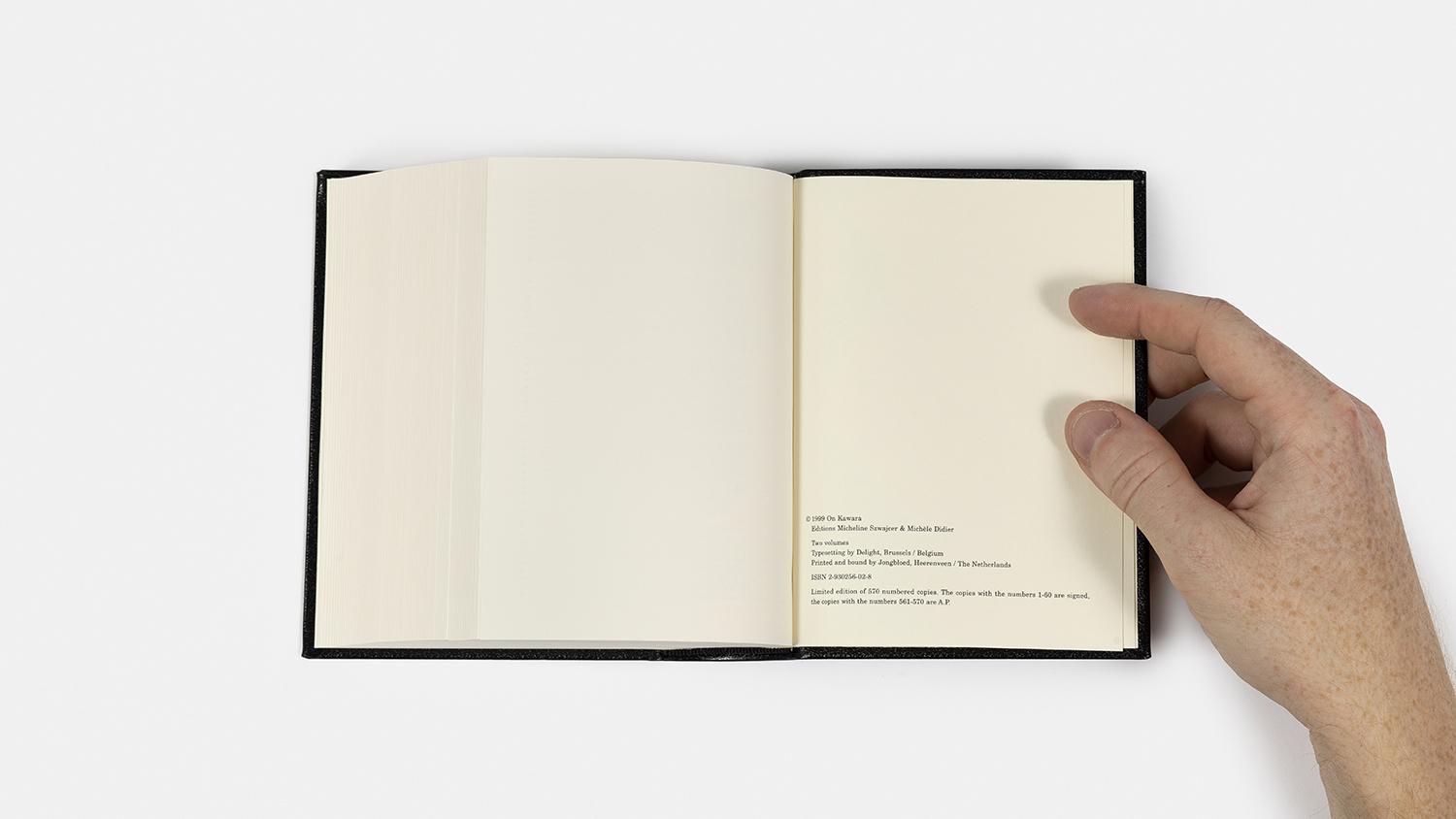
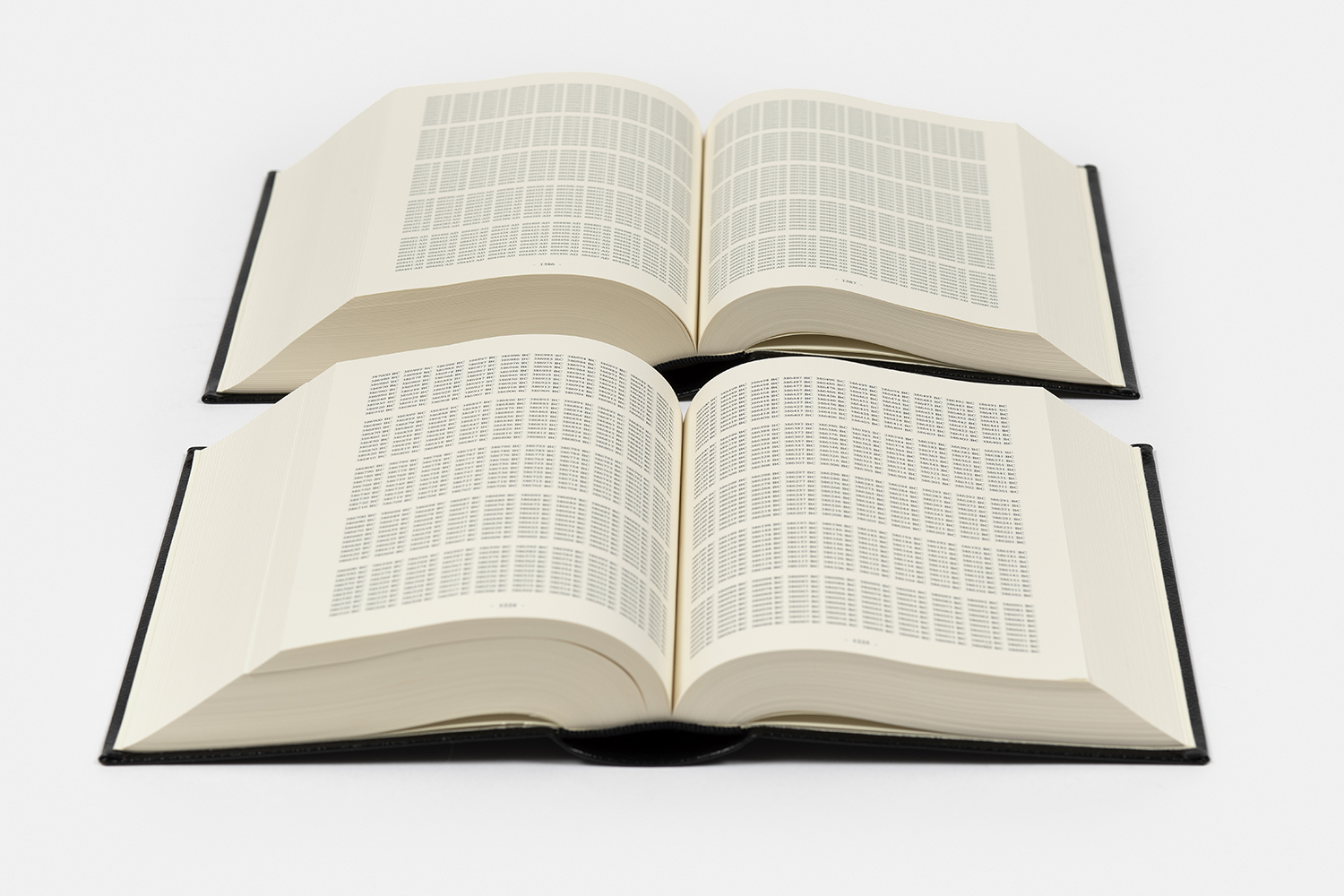
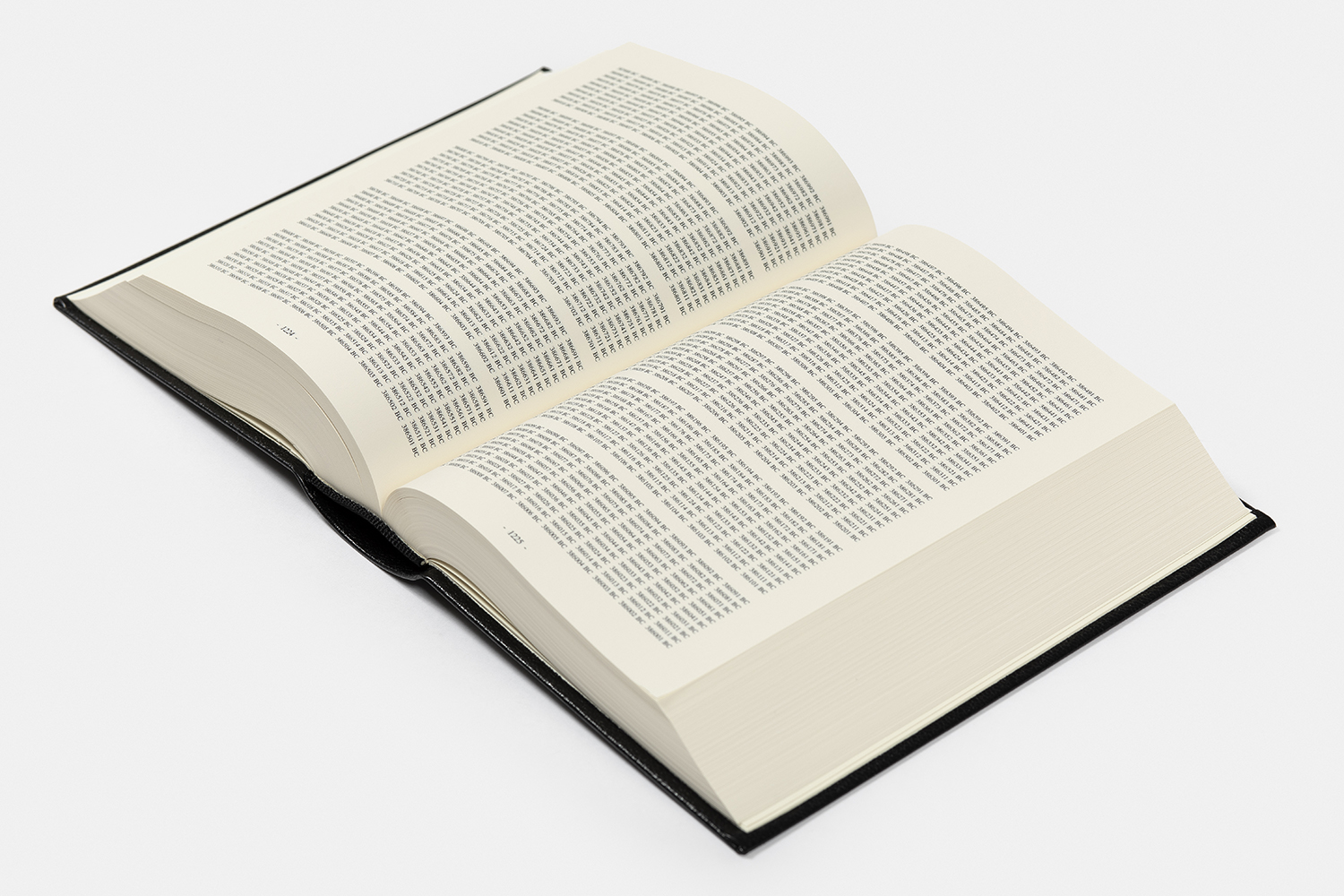
Black slipcase. Contains 2 volumes, 14.4 cm x 10.5 cm
6.3 x 4.33 x 3.54 in ( 16,2 x 11,5 x 9,2 cm )